

50 reales – Spain
Add to wishlist
Spain
Context
Material
Diameter: 75 mm
Weight: 178 g
Silver Weight:: 165.72 g
Thickness: 4 mm
Shape: Round
Composition: 93.1% Silver
Magnetic: No
Technique: Roller milled
References
KM: #
Numista: #111692
Value
Bullion value: $413.07
Obverse
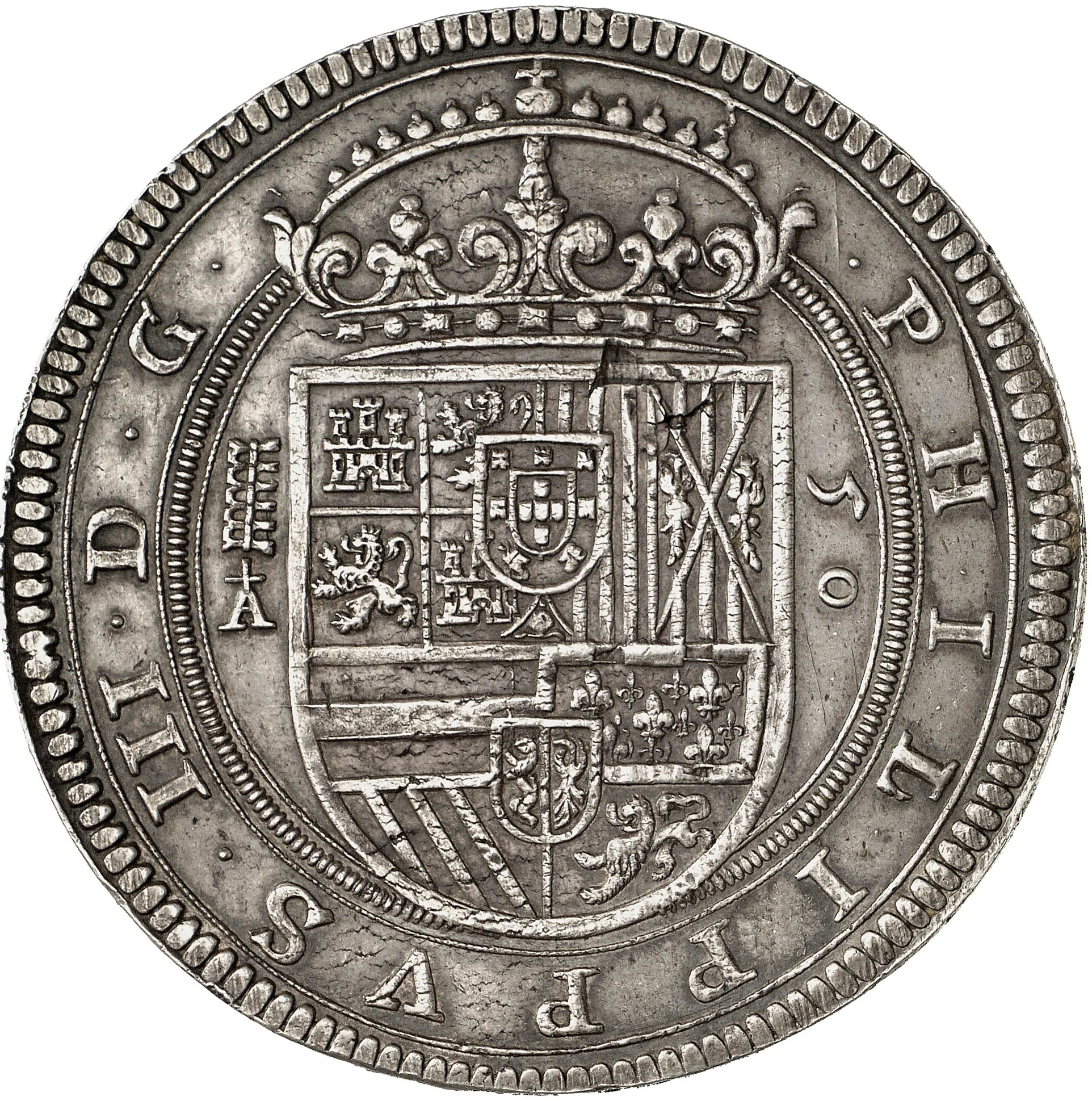
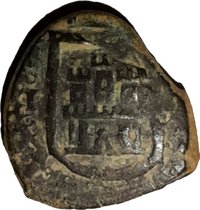
Description:
Crowned Spanish coat of arms overlaps inner circle.
Inscription:
· PHILIPPVS · III · D · G ·
A+
50
A+
50
Script: Latin
Reverse
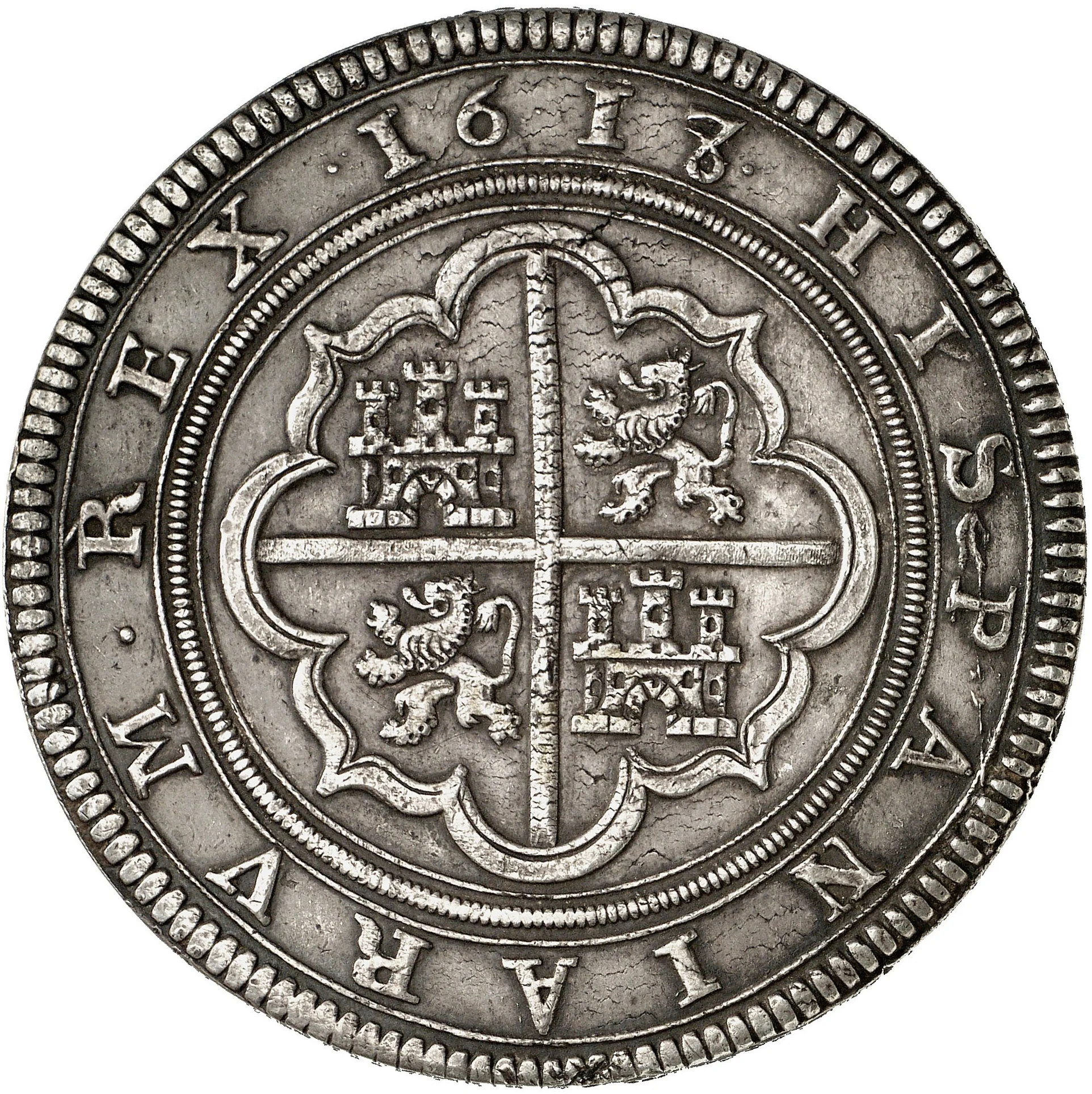
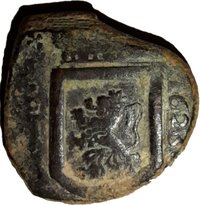
Description:
Castile and León's coat of arms in an octolobe circle.
Inscription:
· 1618 · HISPANIARVM · REX
Script: Latin
Edge
Categories
| Symbols> Coat of Arms |
Mints
| Name | Mark |
|---|---|
| Royal Mint of Segovia | — |
Mintings
| Year | Mint Mark | Mintage | Quality | Collection |
|---|---|---|---|---|
| 1617 | A+ | — | ||
| 1618 | A+ | — | ||
| 1620 | A+ | — |
Historical background
In 1617, Spain's currency situation was precarious, caught in the complex aftermath of the "Price Revolution" and the Crown's persistent fiscal crises. The massive influx of silver and gold from the American colonies, particularly through the Casa de Contratación in Seville, had led to severe inflation across Europe, devaluing the real value of the coinage in circulation. While the treasury was nominally flush with bullion, the underlying economy struggled with rising costs, and the state's colossal debts from continuous warfare (especially the ongoing Thirty Years' War and conflicts with the Dutch) meant that much of this silver flowed directly out to foreign bankers and troops, failing to stimulate domestic production.
The monetary system itself was a confusing bimetallic tangle of coins, primarily the silver real and the gold escudo, but their value in relation to each other and to the ubiquitous maravedí (a unit of account) was unstable. More damagingly, the Crown had repeatedly resorted to the desperate measure of vellón currency—debased copper coinage—to finance its deficits. These cheap coins, first issued heavily under Philip III, flooded the market, driving out the more valuable silver and gold through Gresham's Law ("bad money drives out good"). This created a destructive cycle where people hoarded silver, prices in vellón skyrocketed, and public trust in the currency eroded.
Consequently, by 1617, Spain was experiencing the early stages of a profound monetary disorder that would culminate in the full-blown crisis of the 1620s. The economy suffered from a severe shortage of sound money for everyday transactions, while the Crown's addiction to vellón debasement as a short-term fix was storing up catastrophic inflation. This unstable financial backdrop critically weakened the Habsburg monarchy's ability to sustain its imperial ambitions, as the very wealth of the Indies was paradoxically undermining the fiscal and monetary foundations of the state.
The monetary system itself was a confusing bimetallic tangle of coins, primarily the silver real and the gold escudo, but their value in relation to each other and to the ubiquitous maravedí (a unit of account) was unstable. More damagingly, the Crown had repeatedly resorted to the desperate measure of vellón currency—debased copper coinage—to finance its deficits. These cheap coins, first issued heavily under Philip III, flooded the market, driving out the more valuable silver and gold through Gresham's Law ("bad money drives out good"). This created a destructive cycle where people hoarded silver, prices in vellón skyrocketed, and public trust in the currency eroded.
Consequently, by 1617, Spain was experiencing the early stages of a profound monetary disorder that would culminate in the full-blown crisis of the 1620s. The economy suffered from a severe shortage of sound money for everyday transactions, while the Crown's addiction to vellón debasement as a short-term fix was storing up catastrophic inflation. This unstable financial backdrop critically weakened the Habsburg monarchy's ability to sustain its imperial ambitions, as the very wealth of the Indies was paradoxically undermining the fiscal and monetary foundations of the state.
✨ Legendary