

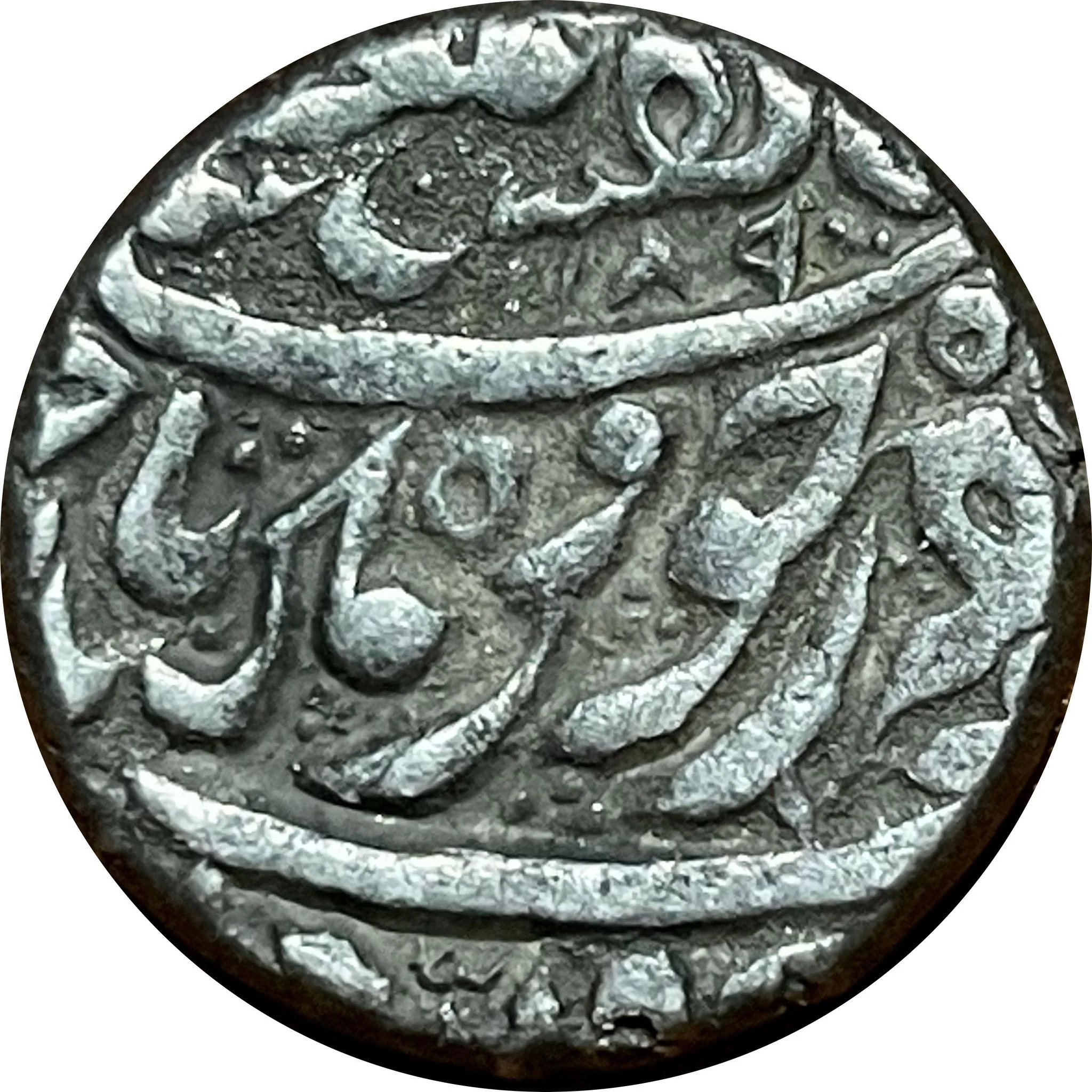
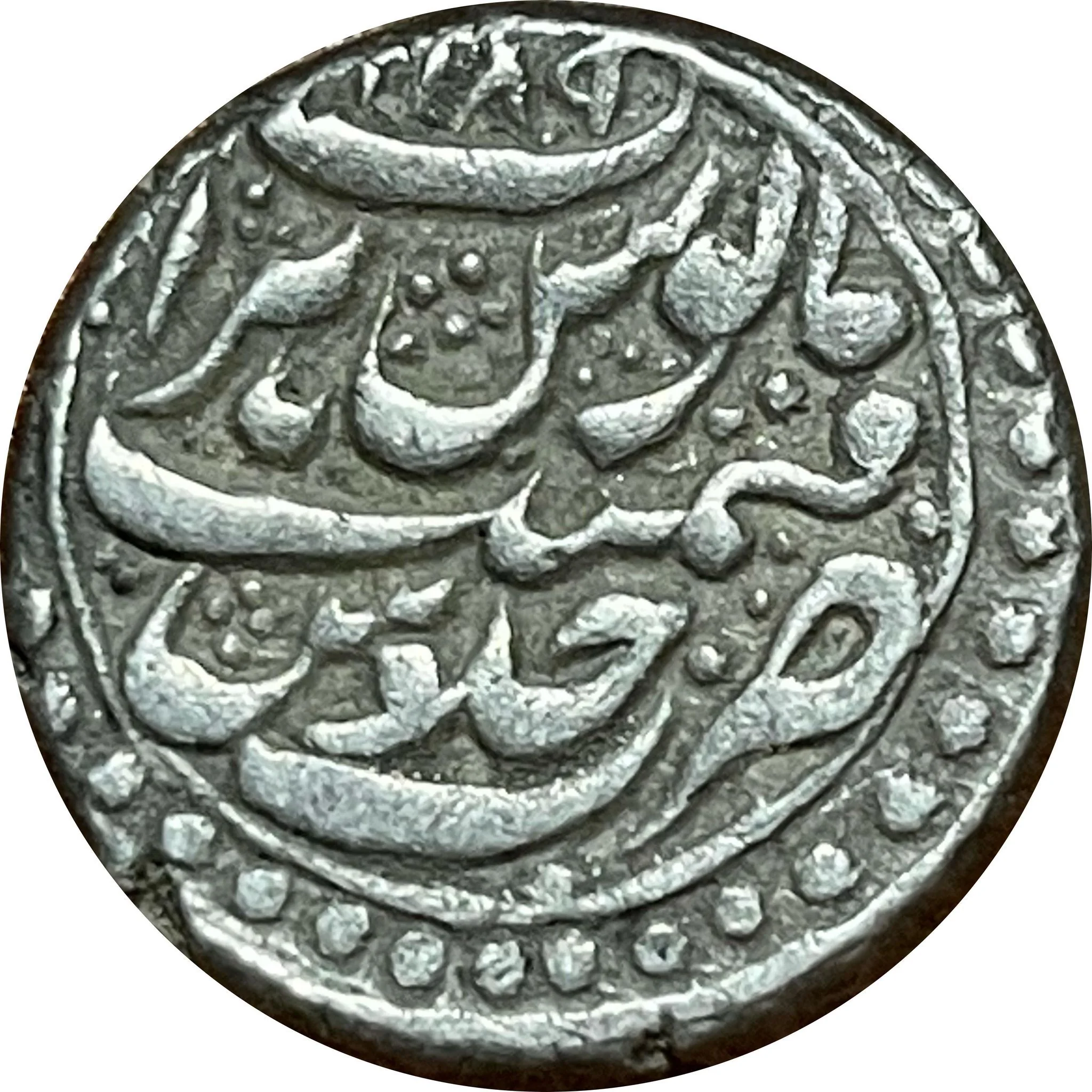
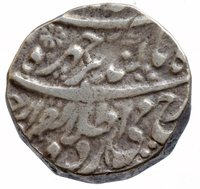
1 Rupee – Afghanistan
Afghanistan
Context
Material
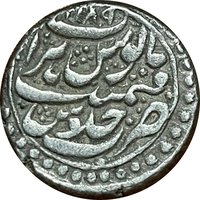
Diameter: 21 mm
Weight: 11.4 g
Silver weight: 11.40 g
Thickness: 4 mm
Shape: Irregular round
Composition: Silver
Magnetic: No
Alignment: Coin alignment
flip
References
KM: #Click to copy to clipboard383.1
Numista: #316946
Value
Bullion value: $32.40
Obverse
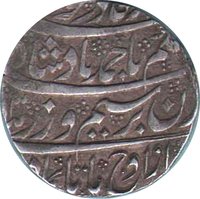
Reverse
Edge
Mints
| Name | Mark |
|---|---|
| Herat | — |
Mintings
| Year | Mint Mark | Mintage | Quality | Collection |
|---|---|---|---|---|
| 1771 | — | — | ||
| 1773 | — | — | ||
| 1774 | — | — | ||
| 1775 | — | — | ||
| 1776 | — | — | ||
| 1777 | — | — | ||
| 1778 | — | — | ||
| 1779 | — | — | ||
| 1780 | — | — | ||
| 1781 | — | — | ||
| 1782 | — | — | ||
| 1783 | — | — | ||
| 1784 | — | — | ||
| 1785 | — | — | ||
| 1786 | — | — |
Historical background
In 1771, the currency situation in Afghanistan was complex and fragmented, reflecting the decentralized and volatile political landscape following the collapse of Nadir Shah Afshar's empire in 1747. The region was divided among competing Durrani Pashtun principalities, with Ahmad Shah Durrani's successors struggling to maintain control. There was no single, unified monetary system; instead, currency issuance was a prerogative of local khans and provincial governors, leading to a proliferation of coins of varying weight, purity, and legitimacy.
The primary circulating medium was the silver rupee, heavily influenced by the Mughal monetary tradition. Coins minted in major cities like Kabul, Kandahar, and Herat bore the name of the nominal sovereign, Shah Timur Shah Durrani, but their actual value depended on the authority and resources of the local minting authority. Alongside these, older Persian, Mughal, and even European coins circulated in trade, valued by their intrinsic metal content rather than a guaranteed face value. The copper dam and paisa served for smaller, local transactions, but their exchange rates against silver were highly unstable.
This monetary fragmentation severely hampered long-distance trade and state revenue collection, contributing to economic instability. The lack of a strong central authority to guarantee currency standards meant that trust in coinage was localized, and debasement was a common practice for short-term fiscal gain. Consequently, the currency situation in 1771 was a direct symptom of a weak central state, acting as both a cause and an effect of the political and economic disunity that characterized the Durrani Empire in that era.
The primary circulating medium was the silver rupee, heavily influenced by the Mughal monetary tradition. Coins minted in major cities like Kabul, Kandahar, and Herat bore the name of the nominal sovereign, Shah Timur Shah Durrani, but their actual value depended on the authority and resources of the local minting authority. Alongside these, older Persian, Mughal, and even European coins circulated in trade, valued by their intrinsic metal content rather than a guaranteed face value. The copper dam and paisa served for smaller, local transactions, but their exchange rates against silver were highly unstable.
This monetary fragmentation severely hampered long-distance trade and state revenue collection, contributing to economic instability. The lack of a strong central authority to guarantee currency standards meant that trust in coinage was localized, and debasement was a common practice for short-term fiscal gain. Consequently, the currency situation in 1771 was a direct symptom of a weak central state, acting as both a cause and an effect of the political and economic disunity that characterized the Durrani Empire in that era.
💎 Extremely Rare