

1 Mohur – Mughal Empire
India
Context
Years: 1619–1624
Country: India 
Issuer: Mughal Empire
Ruler: Jahangir I
Currency:
(1540—1842)
Demonetized: Yes
Material
References
KM: #Click to copy to clipboard180.11
Numista: #315554
Value
Bullion value: $1812.96
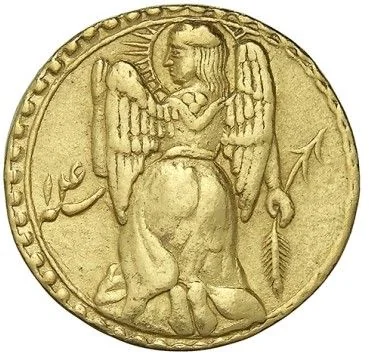
Obverse
Description:
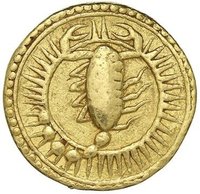
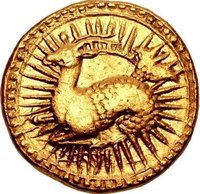
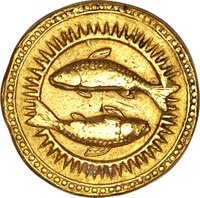
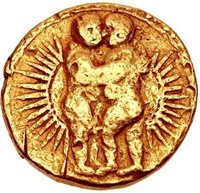
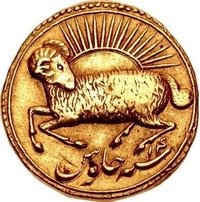
Maiden
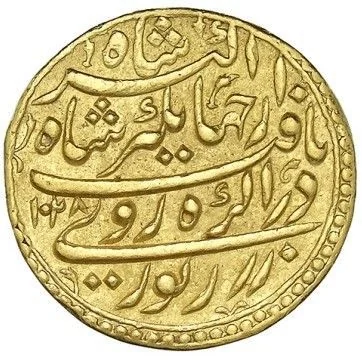
Reverse
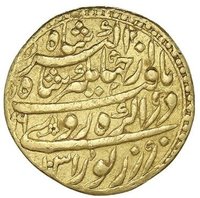
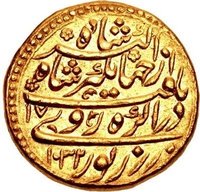
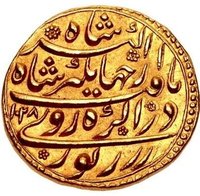
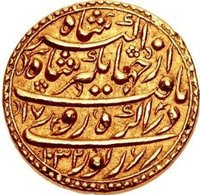
Inscription:
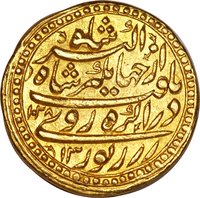
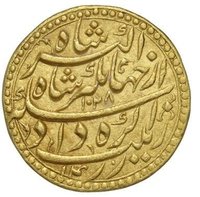
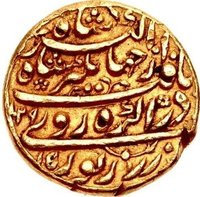
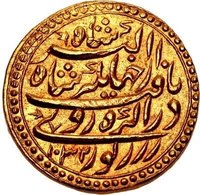
zar zewar dar Agra ruye yaft az Jahangir Shah Akbar Shah
Edge
Mints
| Name | Mark |
|---|---|
| Agra | — |
Mintings
| Year | Mint Mark | Mintage | Quality | Collection |
|---|---|---|---|---|
| 1619 | — | — | ||
| 1620 | — | — | ||
| 1622 | — | — | ||
| 1624 | — | — |
Historical background
In 1619, the Mughal Empire's currency system under Emperor Jahangir was a sophisticated and stable bimetallic standard, renowned for its purity and uniformity across the subcontinent. The primary units were the silver rupee (the workhorse of the economy) and the gold mohur, with a fixed exchange rate typically around 9-10 rupees to one mohur. The system's credibility was anchored in the meticulous minting process; coins were struck from almost pure metal, bearing the emperor's name, regnal year, and the mint city, ensuring trust in long-distance trade and revenue collection. This monetary stability was a direct legacy of the reforms of Akbar, Jahangir's father, who had standardized weights, designs, and established a vast network of imperial mints (dar-ul-zarb).
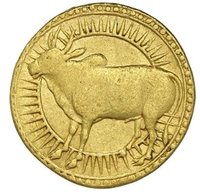
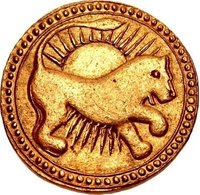
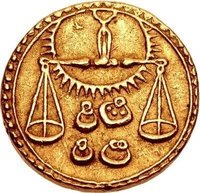
This year, however, was particularly notable for Jahangir's continued issuance of his famous "numismatic experiments." Fascinated by art and symbolism, he had begun minting coins with figurative imagery, a departure from the traditional Islamic calligraphy. In 1619, rupees and mohurs might still feature constellations, zodiac signs (like his own birth sign, Leo), or even portraits—a practice inspired by European medallions brought by traders. While these special issues were not the bulk of the currency in circulation, they symbolized the empire's confidence, wealth, and the emperor's personal whims, circulating as legal tender without disrupting the underlying monetary system.
Economically, the currency situation in 1619 reflected a period of expansion and integration. The influx of American silver via European trade, particularly through Surat, was steadily increasing the silver supply, helping to monetize the economy and fuel commercial growth without causing significant inflation at this time. The reliable rupee facilitated both the massive land revenue system, which was collected in cash, and the booming commerce in textiles, spices, and luxury goods along the Grand Trunk Road and beyond. Thus, the currency of 1619 was not just a medium of exchange but a testament to Mughal administrative control, economic vitality, and the cultural flair of Jahangir's reign.
This year, however, was particularly notable for Jahangir's continued issuance of his famous "numismatic experiments." Fascinated by art and symbolism, he had begun minting coins with figurative imagery, a departure from the traditional Islamic calligraphy. In 1619, rupees and mohurs might still feature constellations, zodiac signs (like his own birth sign, Leo), or even portraits—a practice inspired by European medallions brought by traders. While these special issues were not the bulk of the currency in circulation, they symbolized the empire's confidence, wealth, and the emperor's personal whims, circulating as legal tender without disrupting the underlying monetary system.
Economically, the currency situation in 1619 reflected a period of expansion and integration. The influx of American silver via European trade, particularly through Surat, was steadily increasing the silver supply, helping to monetize the economy and fuel commercial growth without causing significant inflation at this time. The reliable rupee facilitated both the massive land revenue system, which was collected in cash, and the booming commerce in textiles, spices, and luxury goods along the Grand Trunk Road and beyond. Thus, the currency of 1619 was not just a medium of exchange but a testament to Mughal administrative control, economic vitality, and the cultural flair of Jahangir's reign.
✨ Legendary