

1 Mohur – Mughal Empire
India
Context
Years: 1618–1624
Country: India 
Issuer: Mughal Empire
Ruler: Jahangir I
Currency:
(1540—1842)
Demonetized: Yes
Material
References
KM: #Click to copy to clipboard180.8
Numista: #315545
Value
Bullion value: $1811.30
Obverse
Description:
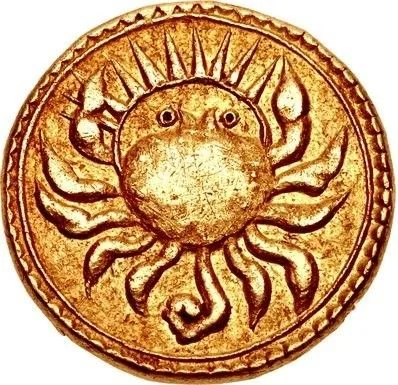
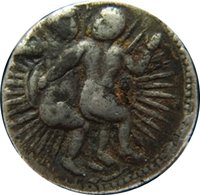
Crab with a sunburst behind.
Reverse
Inscription:
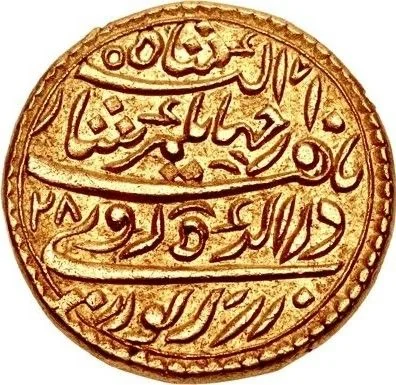
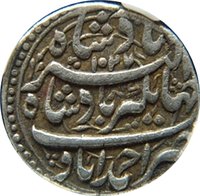
zar zewar dar Agra ruye yaft az Jahangir Shah Akbar Shah
Edge
Categories
| Animal> Crustacean |
Mints
| Name | Mark |
|---|---|
| Agra | — |
Mintings
| Year | Mint Mark | Mintage | Quality | Collection |
|---|---|---|---|---|
| 1618 | — | — | ||
| 1619 | — | — | ||
| 1620 | — | — | ||
| 1621 | — | — | ||
| 1622 | — | — | ||
| 1624 | — | — |
Historical background
In 1618, the Mughal Empire's currency system under Emperor Jahangir was a model of stability and sophistication, reflecting the empire's immense economic power. The foundation was the silver rupee, a high-purity coin that served as the primary unit of account and medium for large transactions. It was complemented by a well-structured fractional coinage: the copper dam (valued at 1/40 of a rupee) for everyday local trade, and the gold mohur, used primarily for hoarding, ceremonial purposes, and large state transactions. This trimetallic system, centrally minted with strict weight and purity standards, facilitated commerce across a vast and diverse subcontinent.
This monetary stability was actively managed by the state. Mints (Taksals) operated across the empire, striking coins with consistent designs that bore the emperor's name and the mint location, ensuring trust and wide acceptability. Jahangir, known for his artistic inclinations, even introduced novel "portrait rupees" featuring his own likeness and zodiac symbols, though these were more commemorative than disruptive to the standard currency. The system's integrity was crucial for the efficient collection of land revenue (zat), which was assessed in rupees but often collected in kind, and for financing the empire's immense military and administrative apparatus.
However, the system faced underlying pressures. While not yet acute in 1618, the empire's continued expansion and trade surplus, particularly with European companies paying for goods in silver, led to a steady influx of bullion. This growing money supply would later contribute to inflationary trends. Furthermore, the system relied on a complex network of money changers (sarrafs) to facilitate exchange between the three metals, whose rates could fluctuate. Nevertheless, in 1618, the Mughal currency stood as a pillar of imperial authority and economic integration, enabling the flourishing trade and revenue collection that characterized the height of Jahangir's reign.
This monetary stability was actively managed by the state. Mints (Taksals) operated across the empire, striking coins with consistent designs that bore the emperor's name and the mint location, ensuring trust and wide acceptability. Jahangir, known for his artistic inclinations, even introduced novel "portrait rupees" featuring his own likeness and zodiac symbols, though these were more commemorative than disruptive to the standard currency. The system's integrity was crucial for the efficient collection of land revenue (zat), which was assessed in rupees but often collected in kind, and for financing the empire's immense military and administrative apparatus.
However, the system faced underlying pressures. While not yet acute in 1618, the empire's continued expansion and trade surplus, particularly with European companies paying for goods in silver, led to a steady influx of bullion. This growing money supply would later contribute to inflationary trends. Furthermore, the system relied on a complex network of money changers (sarrafs) to facilitate exchange between the three metals, whose rates could fluctuate. Nevertheless, in 1618, the Mughal currency stood as a pillar of imperial authority and economic integration, enabling the flourishing trade and revenue collection that characterized the height of Jahangir's reign.
✨ Legendary