

1 Quadrupla – Bologna
Italy

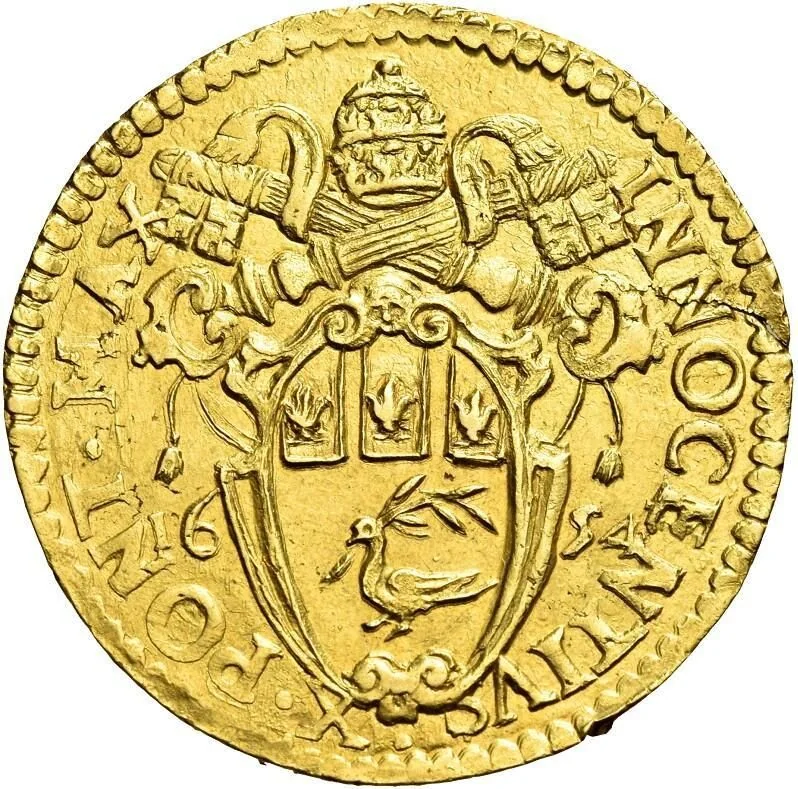
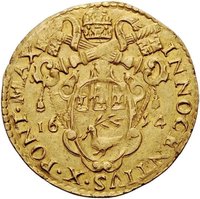
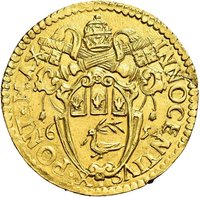
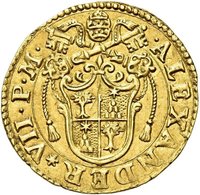
Obverse
Description:
Triple-crowned shield with crossed keys.
Inscription:
INNOCENTIVS X PONT MAX
Script: Latin
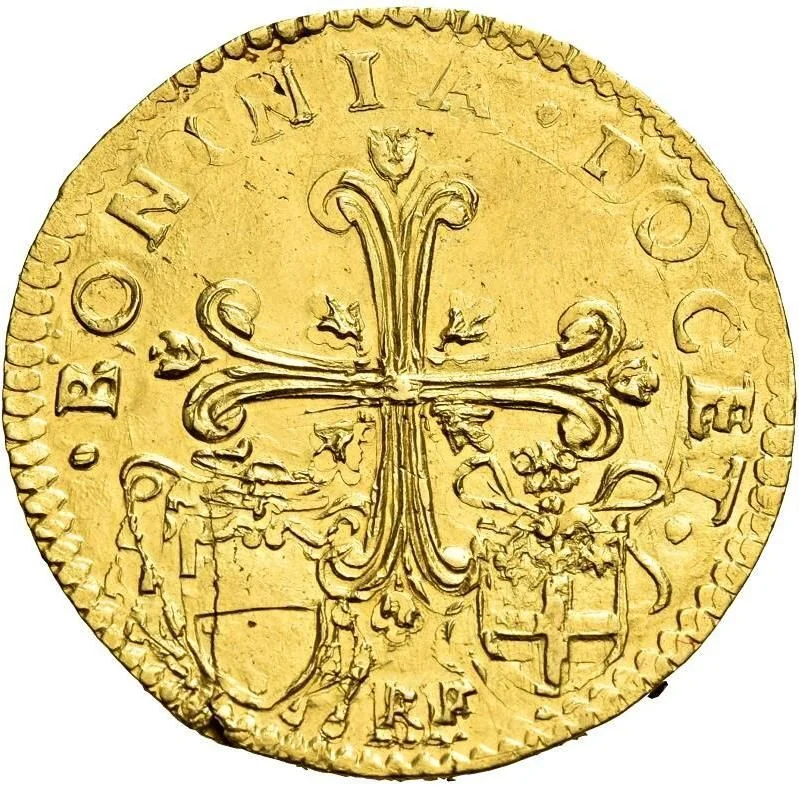
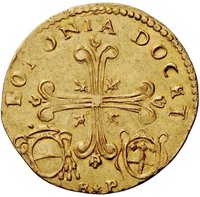
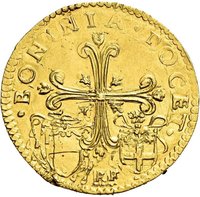
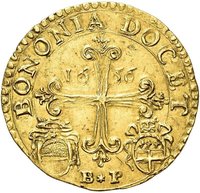
Reverse
Edge
Mints
| Name | Mark |
|---|---|
| Bologna | — |
Mintings
| Year | Mint Mark | Mintage | Quality | Collection |
|---|---|---|---|---|
| 1654 | — | — |
Historical background
In 1654, Bologna operated within the complex monetary landscape of the Papal States, to which it belonged. The city did not mint its own coins but used a variety of circulating specie, primarily papal currency from the Roman mint, alongside a significant influx of foreign coins from neighboring Italian states and beyond. The most common units were the papal scudo (gold) and the giulio (silver), with smaller transactions handled by copper baiocchi and quattrini. However, the simultaneous circulation of coins from Venice, Florence, Spain, and the Empire, each with fluctuating metallic values, created a persistent challenge of exchange rates and valuation.
This period was marked by chronic monetary instability, exacerbated by the widespread practice of "clipping" precious metal from coin edges and the deliberate debasement of coinage by various authorities to fund state expenditures, particularly related to military conflicts like the Thirty Years' War. The result was a severe shortage of "good money" (full-weight, high-silver or gold coins), which were hoarded or exported, while "bad money" (debased or worn coins) flooded the market. This phenomenon, known as Gresham's Law, caused price inflation and daily confusion for merchants and citizens alike, who had to constantly assess the actual worth of each coin.
Local authorities, notably the Senato di Bologna, attempted to manage this chaos through periodic grida (public edicts) that fixed legal exchange rates between the myriad of coins. The edict of 1654 would have been one such attempt to impose order, legally defining how many baiocchi a giulio was worth, or the value of a foreign ducatone. These decrees were often reactive and struggled against market forces, leading to a continuous battle between official monetary policy and the practical realities of commerce in Bologna's bustling markets and university.
This period was marked by chronic monetary instability, exacerbated by the widespread practice of "clipping" precious metal from coin edges and the deliberate debasement of coinage by various authorities to fund state expenditures, particularly related to military conflicts like the Thirty Years' War. The result was a severe shortage of "good money" (full-weight, high-silver or gold coins), which were hoarded or exported, while "bad money" (debased or worn coins) flooded the market. This phenomenon, known as Gresham's Law, caused price inflation and daily confusion for merchants and citizens alike, who had to constantly assess the actual worth of each coin.
Local authorities, notably the Senato di Bologna, attempted to manage this chaos through periodic grida (public edicts) that fixed legal exchange rates between the myriad of coins. The edict of 1654 would have been one such attempt to impose order, legally defining how many baiocchi a giulio was worth, or the value of a foreign ducatone. These decrees were often reactive and struggled against market forces, leading to a continuous battle between official monetary policy and the practical realities of commerce in Bologna's bustling markets and university.
✨ Legendary