

1 Scudo – Papal States
Vatican City
Context
Year: 1725
Country: Vatican City 
Issuer: Papal States
Ruler: Benedict XIII
Currency:
(1534—1835)
Demonetized: Yes
References
KM: #Click to copy to clipboard811
Numista: #312663
Value
Bullion value: $575.40
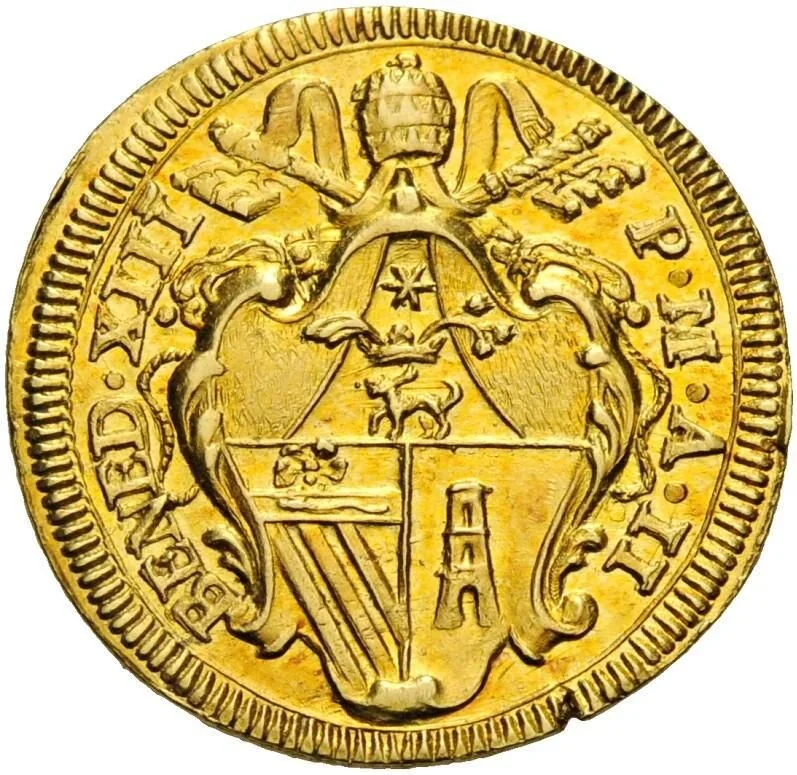
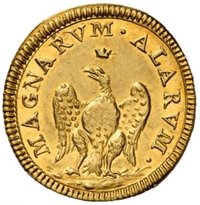
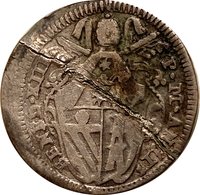
Obverse
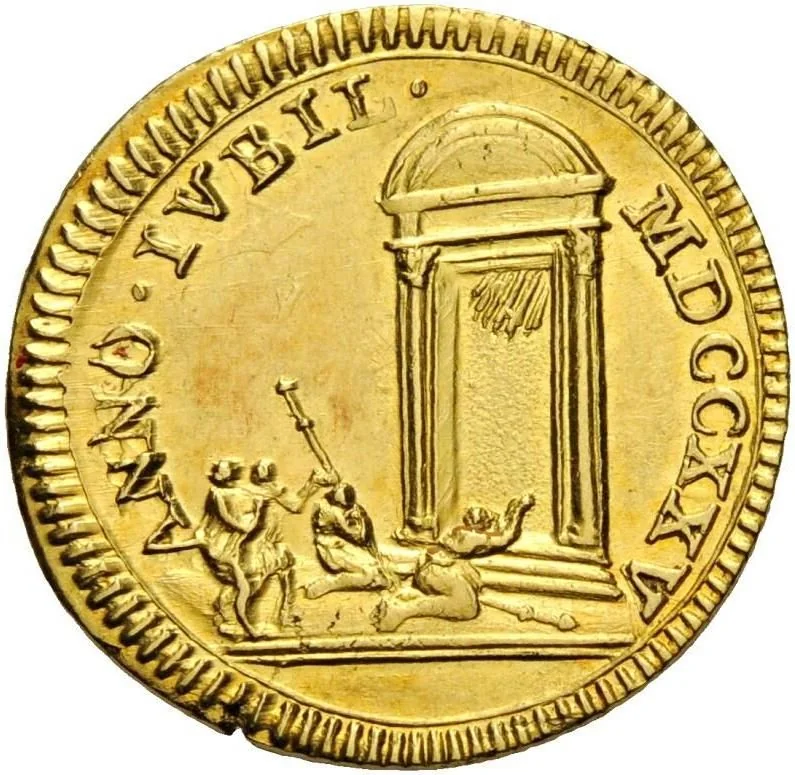
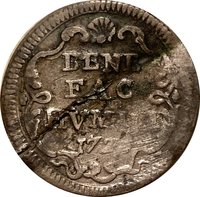
Reverse
Edge
Mints
| Name | Mark |
|---|---|
| Rome | — |
Mintings
| Year | Mint Mark | Mintage | Quality | Collection |
|---|---|---|---|---|
| 1725 | — | — |
Historical background
In 1725, the Papal States’ currency system reflected the broader complexities of the Italian peninsula and the temporal challenges of the Papacy. The primary unit was the scudo (plural: scudi), a large silver coin that served as the standard for high-value transactions and accounting. This existed alongside a confusing array of subsidiary coins, including giuli, grossi, and baiocchi, often minted from debased silver or copper. The system was not decimalized, leading to cumbersome calculations, and the value of these coins could vary significantly between different cities within the Papal States, such as Rome, Bologna, and Ancona, due to local minting practices and economic conditions.
The period was marked by persistent monetary instability. Successive popes, facing chronic fiscal shortfalls from declining tax revenues and the immense costs of administration and patronage, frequently resorted to currency debasement. This involved reducing the precious metal content in coins while maintaining their nominal face value, a short-term measure to increase mint seigniorage that inevitably led to inflation, hoarding of older, purer coins (Gresham’s Law), and a loss of public trust. Furthermore, a multitude of foreign coins, particularly Spanish pieces of eight and Florentine ducats, circulated widely, competing with and often undermining the local currency.
Pope Benedict XIII (1724-1730), a man more focused on theological austerity than financial reform, did little to address these structural issues in 1725. His pontificate saw continued fiscal malaise, leaving the monetary system fragmented and weak. This instability hampered commerce, complicated state finances, and placed a burden on the populace, contributing to the economic stagnation that characterized much of the 18th-century Papal States. The situation would only see serious, though ultimately insufficient, attempts at reform later in the century under popes like Pius VI.
The period was marked by persistent monetary instability. Successive popes, facing chronic fiscal shortfalls from declining tax revenues and the immense costs of administration and patronage, frequently resorted to currency debasement. This involved reducing the precious metal content in coins while maintaining their nominal face value, a short-term measure to increase mint seigniorage that inevitably led to inflation, hoarding of older, purer coins (Gresham’s Law), and a loss of public trust. Furthermore, a multitude of foreign coins, particularly Spanish pieces of eight and Florentine ducats, circulated widely, competing with and often undermining the local currency.
Pope Benedict XIII (1724-1730), a man more focused on theological austerity than financial reform, did little to address these structural issues in 1725. His pontificate saw continued fiscal malaise, leaving the monetary system fragmented and weak. This instability hampered commerce, complicated state finances, and placed a burden on the populace, contributing to the economic stagnation that characterized much of the 18th-century Papal States. The situation would only see serious, though ultimately insufficient, attempts at reform later in the century under popes like Pius VI.
✨ Legendary