

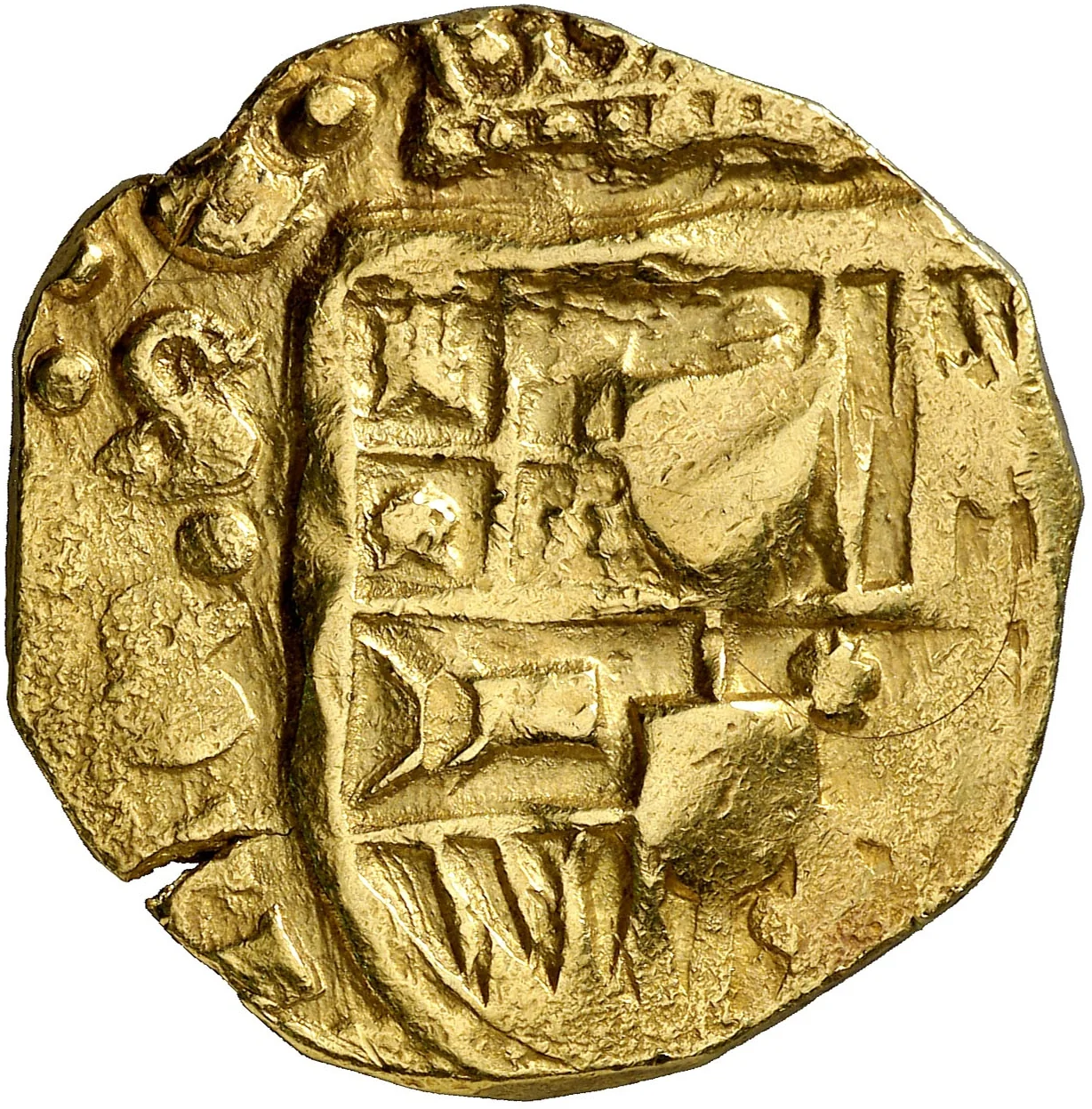
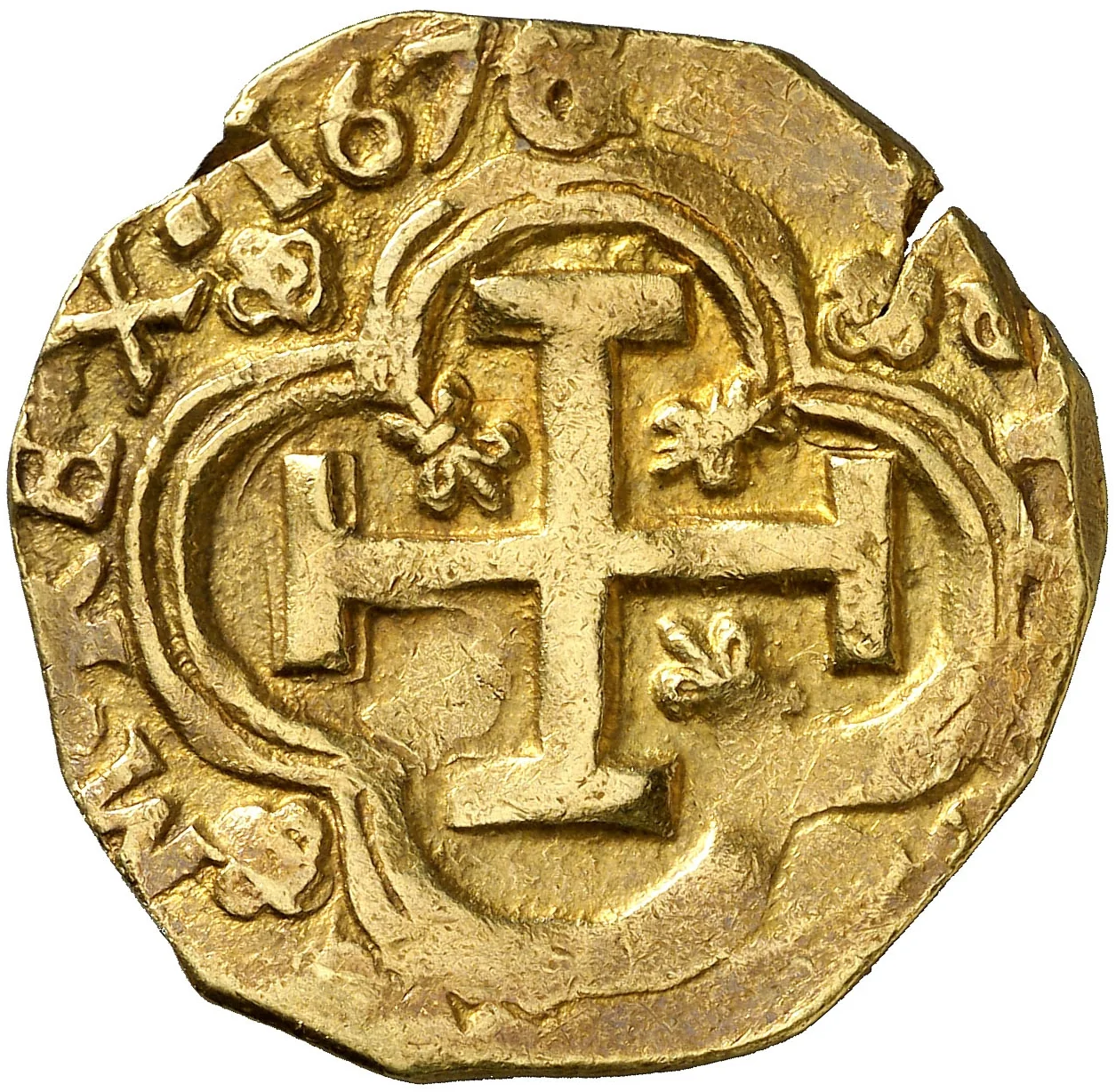
8 Escudos – Spain
Spain
Context
Material
Diameter: 36 mm
Weight: 27 g
Gold weight: 24.76 g
Thickness: 1 mm
Shape: Irregular round
Composition: 91.7% Gold
Magnetic: No
Technique: Hammered
References
KM: #Click to copy to clipboard61
Numista: #111213
Value
Bullion value: $4129.75
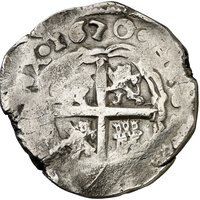
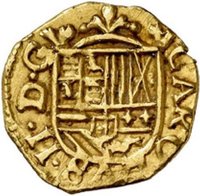
Obverse
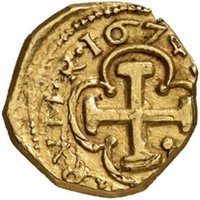
Reverse
Edge
Mints
| Name | Mark |
|---|---|
| Royal Mint of Madrid | — |
| Royal Mint of Seville | — |
Mintings
| Year | Mint Mark | Mintage | Quality | Collection |
|---|---|---|---|---|
| 1666 | MDA | — | ||
| 1666 | SM | — | ||
| 1666 | SR | — | ||
| 1667 | SM | — | ||
| 1668 | SM | — | ||
| 1668 | MDA | — | ||
| 1669 | MDA | — | ||
| 1669 | SM | — | ||
| 1670 | SM | — | ||
| 1673 | SM | — | ||
| 1674 | SM | — | ||
| 1675 | SM | — | ||
| 1676 | SM | — | ||
| 1676 | SS | — | ||
| 1678 | SM | — | ||
| 1679 | SM | — | ||
| 1680 | SM | — | ||
| 1683 | SS | — | ||
| 1684 | SL | — | ||
| 1684 | SS | — | ||
| 1685 | MDM | — | ||
| 1685 | SM | — | ||
| 1685 | SS | — | ||
| 1686 | SG | — | ||
| 1686 | SS | — | ||
| 1687 | MDM | — | ||
| 1687 | SG | — | ||
| 1687 | SM | — | ||
| 1688 | SG | — | ||
| 1688 | SM | — | ||
| 1689 | SM | — | ||
| 1690 | SM | — | ||
| 1691 | SM | — | ||
| 1692 | SM | — | ||
| 1694 | SM | — | ||
| 1696 | MDBR | — | ||
| 1698 | SM | — | ||
| 1699 | SM | — |
Historical background
In 1666, Spain was grappling with a severe and protracted monetary crisis rooted in decades of economic mismanagement and imperial overstretch. The core of the problem was the rampant debasement of the ubiquitous vellón coinage—copper or billon (copper-silver alloy) currency used for everyday transactions. Successive governments, desperate to finance endless wars and cover state deficits, had repeatedly increased the face value of copper coins while reducing their metal content, flooding the economy with intrinsically worthless currency. This led to devastating inflation, price chaos, and a collapse in public trust, as the value of vellón plummeted against the stable silver real and gold escudo.
The situation reached a critical point under the regency of Mariana of Austria, ruling for the young Charles II. The economy was trapped in a vicious cycle: the Crown’s attempts to manipulate currency values to generate short-term cash provoked hoarding of good silver, widespread counterfeiting, and economic paralysis. By 1666, the disparity between the artificially set official rates and the market value of the different coins was enormous, crippling trade and causing social unrest. Authorities issued frantic decrees attempting to fix prices and exchange rates, but these were largely ignored, demonstrating the state’s weakening authority over its own monetary system.
Ultimately, 1666 fell within a period of frantic and often contradictory experiments preceding a more radical solution. The government’s stopgap measures failed to address the structural fiscal deficit or restore confidence. This ongoing chaos would culminate just two years later, in 1668, with the drastic "Monda de la Moneda" (Currency Reformation), a painful but necessary recoinage that demonetized the debased vellón and attempted to restore a unified and trustworthy currency. Thus, 1666 represents a late, acute phase of a monetary disorder that symbolized the profound economic decline of Habsburg Spain.
The situation reached a critical point under the regency of Mariana of Austria, ruling for the young Charles II. The economy was trapped in a vicious cycle: the Crown’s attempts to manipulate currency values to generate short-term cash provoked hoarding of good silver, widespread counterfeiting, and economic paralysis. By 1666, the disparity between the artificially set official rates and the market value of the different coins was enormous, crippling trade and causing social unrest. Authorities issued frantic decrees attempting to fix prices and exchange rates, but these were largely ignored, demonstrating the state’s weakening authority over its own monetary system.
Ultimately, 1666 fell within a period of frantic and often contradictory experiments preceding a more radical solution. The government’s stopgap measures failed to address the structural fiscal deficit or restore confidence. This ongoing chaos would culminate just two years later, in 1668, with the drastic "Monda de la Moneda" (Currency Reformation), a painful but necessary recoinage that demonetized the debased vellón and attempted to restore a unified and trustworthy currency. Thus, 1666 represents a late, acute phase of a monetary disorder that symbolized the profound economic decline of Habsburg Spain.
✨ Legendary