

8 Escudos – Spain
Spain
Material
Weight: 27 g
Gold weight: 24.76 g
Shape: Irregular round
Composition: 91.7% Gold
Magnetic: No
Technique: Hammered
References
KM: #Click to copy to clipboard136
Numista: #111212
Value
Bullion value: $4129.75
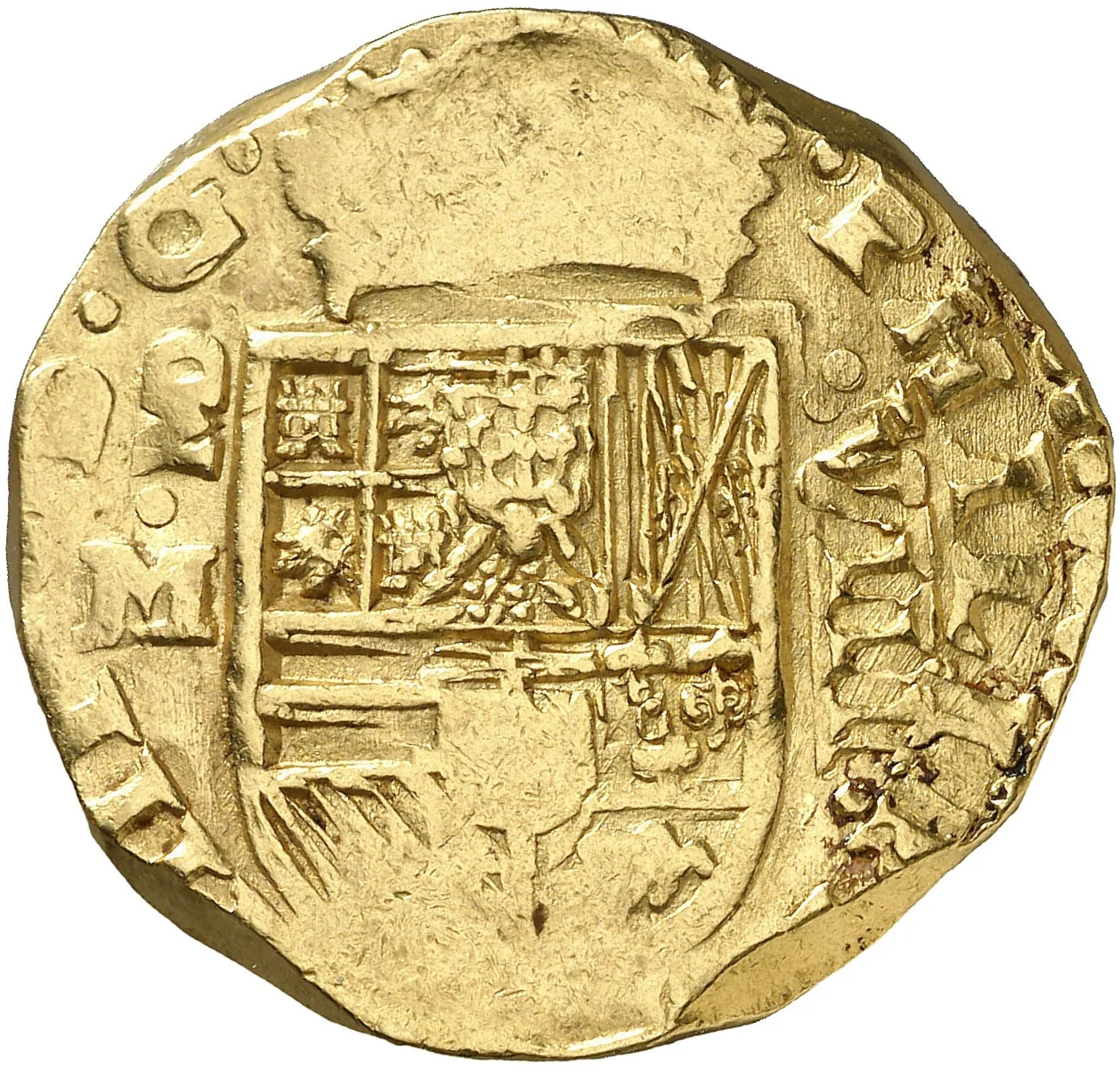
Obverse
Description:
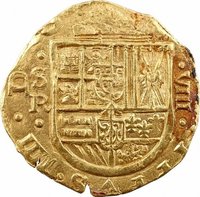
Arms crowned. Mintmark left, value right. Legend around.
Inscription:
PHILIPPVS IIII D G
MD
M
VIII
MD
M
VIII
Script: Latin
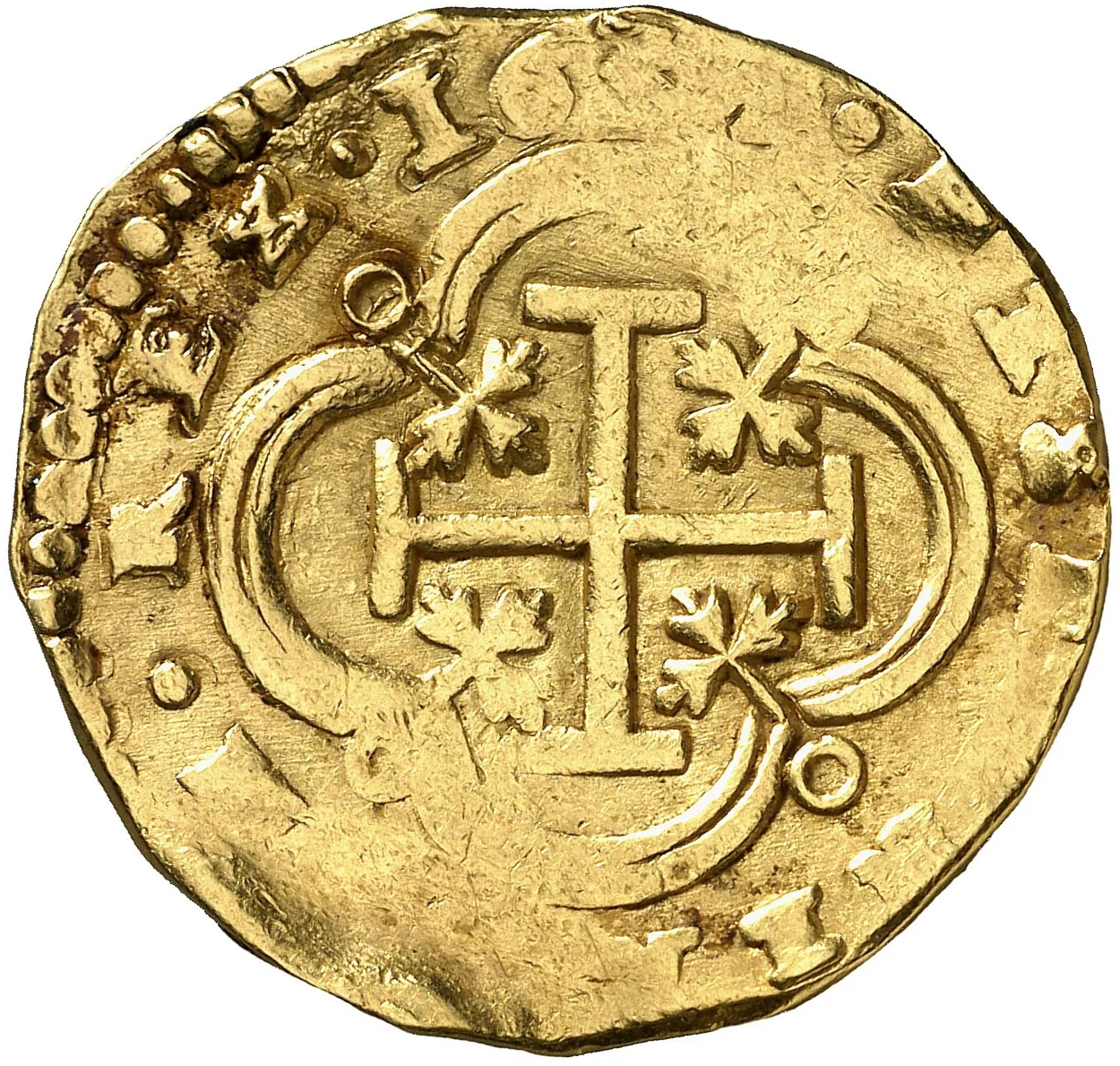
Reverse
Description:
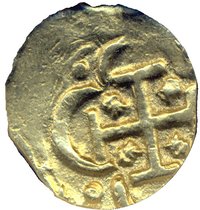
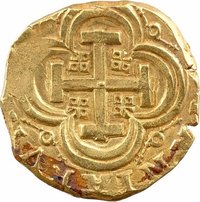
Jerusalem cross in quatrefoil, encircled by dated legend.
Inscription:
HISPANIARVM REX 1631
Script: Latin
Edge
Mints
| Name | Mark |
|---|---|
| Royal Mint of Madrid | (MD) |
Mintings
| Year | Mint Mark | Mintage | Quality | Collection |
|---|---|---|---|---|
| 1631 | MDM | — | ||
| 1632 | MDPM | — | ||
| 1633 | MDM | — | ||
| 1635 | MDM | — | ||
| 1637 | MDM | — | ||
| 1639 | MDP | — | ||
| 1640 | MDB | — | ||
| 1641 | MDB | — | ||
| 1642 | MDB | — | ||
| 1643 | MDB | — | ||
| 1644 | MDB | — | ||
| 1645 | MDV | — | ||
| 1646 | MDA | — | ||
| 1647 | MDA | — | ||
| 1648 | MDA | — | ||
| 1649 | MDA | — | ||
| 1650 | MDA | — | ||
| 1651 | MDA | — | ||
| 1654 | MDA | — | ||
| 1661 | MDA | — | ||
| 1662 | MDA | — | ||
| 1663 | MDA | — |
Historical background
In 1631, the Spanish monarchy under Philip IV was grappling with a profound and worsening currency crisis, a direct consequence of decades of imperial overstretch and fiscal mismanagement. The crown was locked in the immensely expensive Thirty Years' War, while simultaneously fighting the Dutch in the Eighty Years' War and maintaining its global empire. To meet these colossal costs, the government had repeatedly resorted to debasing the primary silver coin, the real, by reducing its silver content and issuing vast quantities of copper currency—the vellón. This created a destructive cycle where the over-supply of cheap copper money drove the older, purer silver coins out of circulation (Gresham's Law), causing rampant inflation and a collapse in public trust in the currency.
The situation reached a critical point in the late 1620s, leading to the drastic "Currency Reformation" of 1628. This edict attempted to stabilize the system by suddenly declaring the copper vellón as the sole legal tender for domestic transactions and raising its face value, while effectively demonetizing silver for everyday use. By 1631, the consequences were severe: prices had skyrocketed, wages failed to keep pace, and social unrest simmered. The policy also crippled trade, as international merchants refused payment in inflated copper, causing commercial paralysis. The crown's desperate measures had shattered the monetary system, creating a deep economic depression that severely hampered its ability to finance its military ambitions.
Thus, in 1631, Spain's currency situation was one of chaotic duality and profound instability. A discredited copper currency dominated a suffering domestic economy, while precious silver continued to flow out of the country to pay foreign armies and creditors, never entering Spanish circulation. This crisis was not merely financial but symptomatic of the broader "Decline of Spain," as structural economic weaknesses were fatally exposed by the relentless fiscal demands of maintaining its Habsburg hegemony, setting the stage for further decline throughout the 17th century.
The situation reached a critical point in the late 1620s, leading to the drastic "Currency Reformation" of 1628. This edict attempted to stabilize the system by suddenly declaring the copper vellón as the sole legal tender for domestic transactions and raising its face value, while effectively demonetizing silver for everyday use. By 1631, the consequences were severe: prices had skyrocketed, wages failed to keep pace, and social unrest simmered. The policy also crippled trade, as international merchants refused payment in inflated copper, causing commercial paralysis. The crown's desperate measures had shattered the monetary system, creating a deep economic depression that severely hampered its ability to finance its military ambitions.
Thus, in 1631, Spain's currency situation was one of chaotic duality and profound instability. A discredited copper currency dominated a suffering domestic economy, while precious silver continued to flow out of the country to pay foreign armies and creditors, never entering Spanish circulation. This crisis was not merely financial but symptomatic of the broader "Decline of Spain," as structural economic weaknesses were fatally exposed by the relentless fiscal demands of maintaining its Habsburg hegemony, setting the stage for further decline throughout the 17th century.
✨ Legendary