

1 Duit – Netherlands East Indies
Indonesia
Context
Years: 1729–1731
Country: Indonesia 
Issuer: Netherlands East Indies
Period:
(1602—1800)
Currency:
(1726—1854)
Demonetized: Yes
Material
References
KM: #Click to copy to clipboard132a
Numista: #308883
Value
Bullion value: $567.40
Obverse
Description:
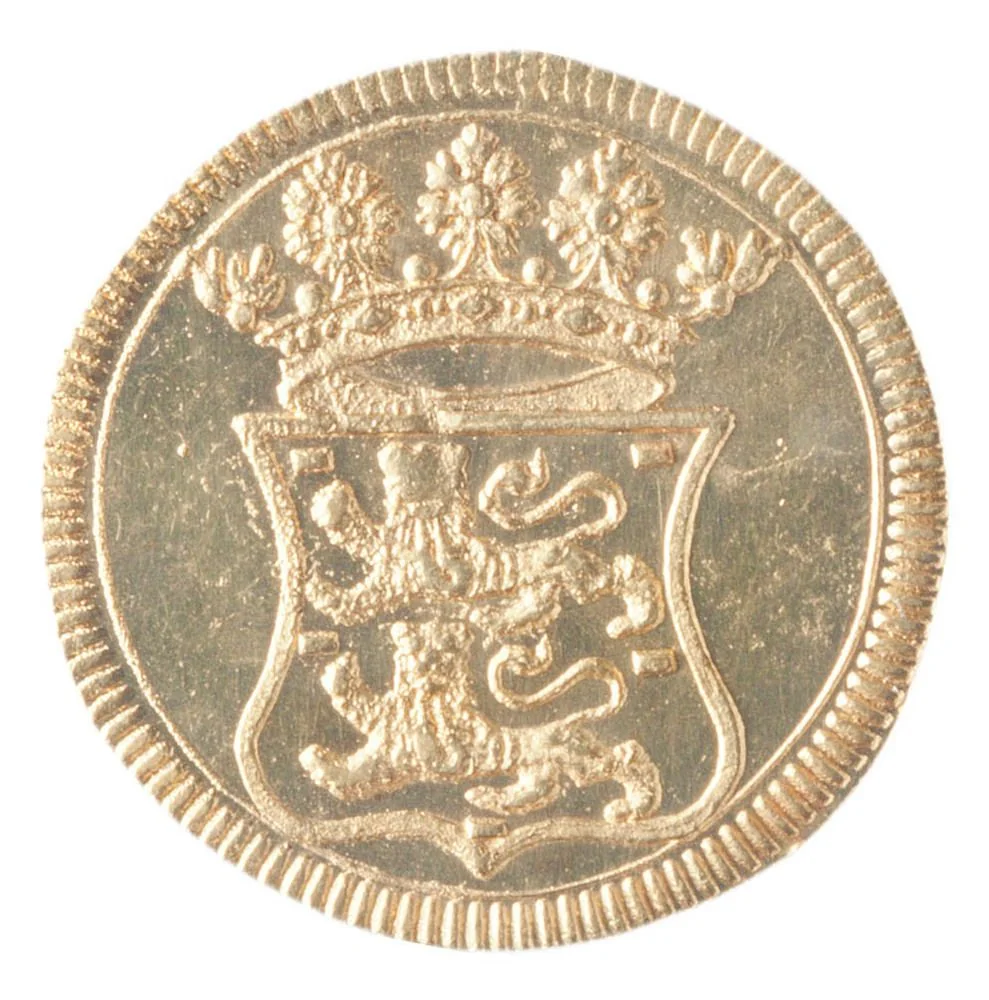
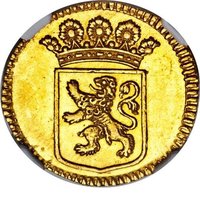
Crowned West Frisian arms.
Reverse
Description:
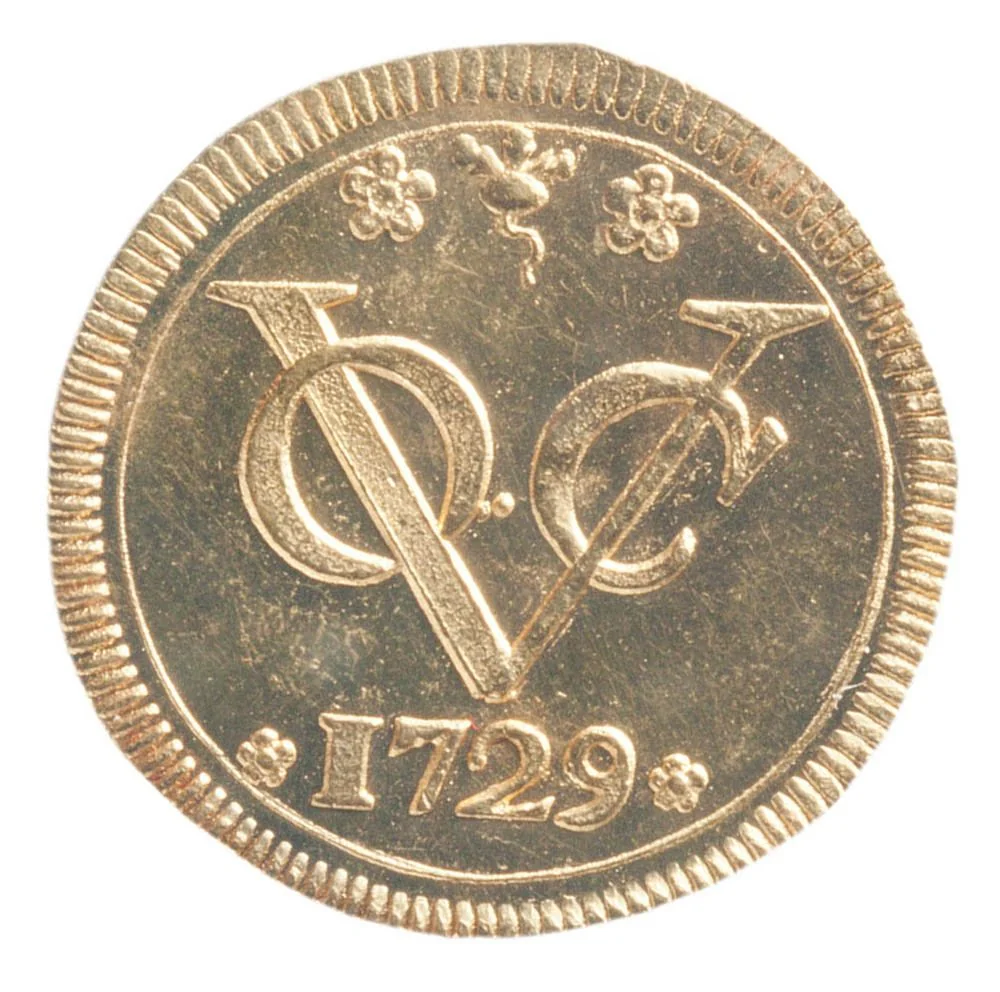
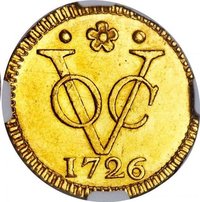
VOC monogram centered, rosette mintmark above between dots, date below.
Inscription:
VOC
1729
1729
Edge
Mintings
| Year | Mint Mark | Mintage | Quality | Collection |
|---|---|---|---|---|
| 1729 | — | — | ||
| 1730 | — | — | ||
| 1731 | — | — |
Historical background
In 1729, the currency system of the Netherlands East Indies (NEI) was a complex and often chaotic amalgamation of official and unofficial mediums of exchange, primarily centered on Batavia (modern-day Jakarta). The official currency was the Dutch guilder, but its physical presence in the form of coinage was scarce. The VOC (Dutch East India Company) struggled to import sufficient European silver coins, like rijksdaalders and ducatons, to fuel the colony's economy. This chronic shortage of hard currency was a defining feature of the financial landscape.
To fill this void, a wide variety of foreign coins circulated with official and de facto acceptance. Spanish-American silver pesos (pieces of eight) and Japanese gold koban were particularly vital, their values constantly fluctuating against the Company's official rates. Furthermore, the VOC issued its own paper credit instruments, such as kreditbrieven (promissory notes), which were essential for large Company transactions and trade within the archipelago. However, for everyday retail trade, the most common units of account were not physical coins but abstract "money of account" like the gulden, stuiver, and duit, used for bookkeeping and pricing.
This multi-currency environment created significant problems. Widespread clipping and counterfeiting of coins eroded trust, while the VOC's frequent attempts to arbitrarily adjust exchange rates to its own benefit led to market distortion and discontent among merchants and the population. The situation in 1729 was therefore one of monetary fragmentation and instability, where the VOC's administrative control over the economy was consistently undermined by the practical realities of a vast Asian trade network that operated on its own terms and currencies.
To fill this void, a wide variety of foreign coins circulated with official and de facto acceptance. Spanish-American silver pesos (pieces of eight) and Japanese gold koban were particularly vital, their values constantly fluctuating against the Company's official rates. Furthermore, the VOC issued its own paper credit instruments, such as kreditbrieven (promissory notes), which were essential for large Company transactions and trade within the archipelago. However, for everyday retail trade, the most common units of account were not physical coins but abstract "money of account" like the gulden, stuiver, and duit, used for bookkeeping and pricing.
This multi-currency environment created significant problems. Widespread clipping and counterfeiting of coins eroded trust, while the VOC's frequent attempts to arbitrarily adjust exchange rates to its own benefit led to market distortion and discontent among merchants and the population. The situation in 1729 was therefore one of monetary fragmentation and instability, where the VOC's administrative control over the economy was consistently undermined by the practical realities of a vast Asian trade network that operated on its own terms and currencies.
✨ Legendary