

1 duit – Netherlands East Indies
Add to wishlist
Indonesia
Context
Years: 1742–1792
Country: Indonesia
Issuer: Netherlands East Indies
Period:
(1602—1800)
Currency:
(1726—1854)
Demonetized: Yes
Material
References
KM: #
Numista: #308877
Value
Bullion value: $529.60
Obverse
Description:
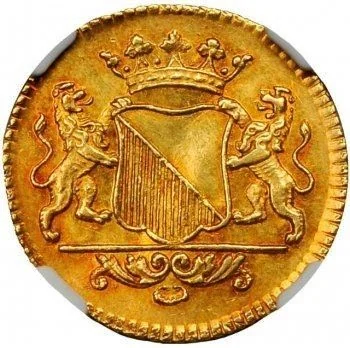
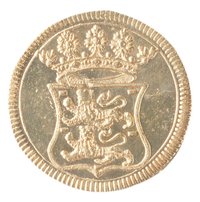
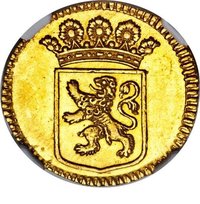
Arms of Utrecht with lion supporters.
Engraver: Johan Ernst Noviadi
Reverse
Description:
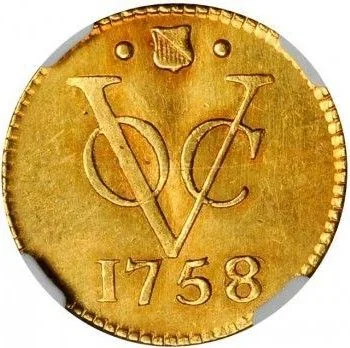
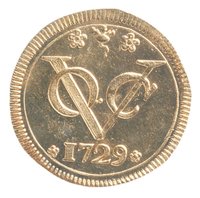
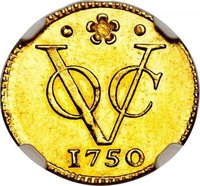
VOC monogram, mint mark (shield between stars) above, date below.
Inscription:
VOC
1758
1758
Script: Latin
Engraver: Johan Ernst Noviadi
Edge
Mints
| Name | Mark |
|---|---|
| Royal Dutch Mint | — |
Mintings
| Year | Mint Mark | Mintage | Quality | Collection |
|---|---|---|---|---|
| 1742 | — | — | ||
| 1753 | — | — | ||
| 1754 | — | — | ||
| 1755 | — | — | ||
| 1757 | — | — | ||
| 1758 | — | — | ||
| 1760 | — | — | ||
| 1762 | — | — | ||
| 1766 | — | — | ||
| 1792 | — | — |
Historical background
In 1742, the currency situation in the Netherlands East Indies (NEI) was defined by a severe crisis of confidence and a chaotic multiplicity of coins. The official currency was the Dutch East India Company (VOC) guilder, but in practice, the economy relied heavily on a vast array of foreign silver coins, primarily Spanish-American pieces of eight (reales) and their fractional parts. These coins circulated alongside Japanese koban gold coins, local tin "doit" coins, and a plethora of other Asian and European currencies, each with fluctuating and often arbitrary exchange values set by the VOC.
The core of the 1742 crisis stemmed from the VOC's own financial mismanagement. To cover its massive deficits from military campaigns and administrative costs, the Company had been heavily debasing its own coinage since the 1720s, reducing the silver content of coins minted in Batavia. This led to Gresham's Law in action: "good" full-weight silver coins were hoarded or exported, while "bad" debased coins flooded the market. By 1742, the intrinsic value of the circulating coinage had fallen so far below its face value that it triggered a collapse in public trust, hampering both local trade and the VOC's own ability to pay its debts and soldiers.
This monetary instability contributed directly to the social and political turmoil of the period, most notably the Chinese Massacre of 1740 and the subsequent Java War (1741–1743), where Chinese rebels and disaffected Javanese princes challenged VOC authority. The currency chaos made it difficult to finance the war effort and pay troops, exacerbating the Company's vulnerabilities. Consequently, 1742 stands as a low point, revealing how the VOC's fiscal short-sightedness undermined the very economic system its colonial project depended upon.
The core of the 1742 crisis stemmed from the VOC's own financial mismanagement. To cover its massive deficits from military campaigns and administrative costs, the Company had been heavily debasing its own coinage since the 1720s, reducing the silver content of coins minted in Batavia. This led to Gresham's Law in action: "good" full-weight silver coins were hoarded or exported, while "bad" debased coins flooded the market. By 1742, the intrinsic value of the circulating coinage had fallen so far below its face value that it triggered a collapse in public trust, hampering both local trade and the VOC's own ability to pay its debts and soldiers.
This monetary instability contributed directly to the social and political turmoil of the period, most notably the Chinese Massacre of 1740 and the subsequent Java War (1741–1743), where Chinese rebels and disaffected Javanese princes challenged VOC authority. The currency chaos made it difficult to finance the war effort and pay troops, exacerbating the Company's vulnerabilities. Consequently, 1742 stands as a low point, revealing how the VOC's fiscal short-sightedness undermined the very economic system its colonial project depended upon.
✨ Legendary