

1 Quadrupla – Papal States
Vatican City
Context
Year: 1607
Country: Vatican City 
Issuer: Papal States
Ruler: Paul V
Currency:
(1534—1835)
Demonetized: Yes
Material
References
KM: #Click to copy to clipboard49
Numista: #308813
Value
Bullion value: $2298.09
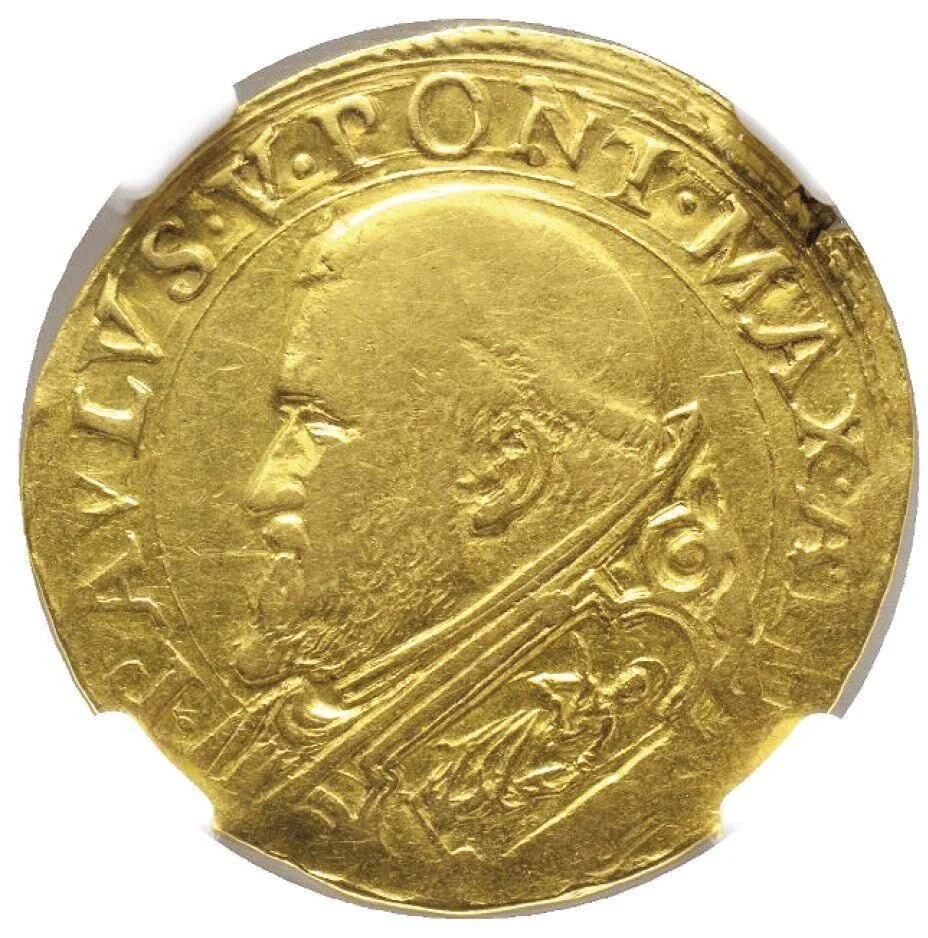
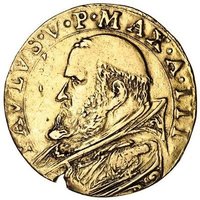
Obverse
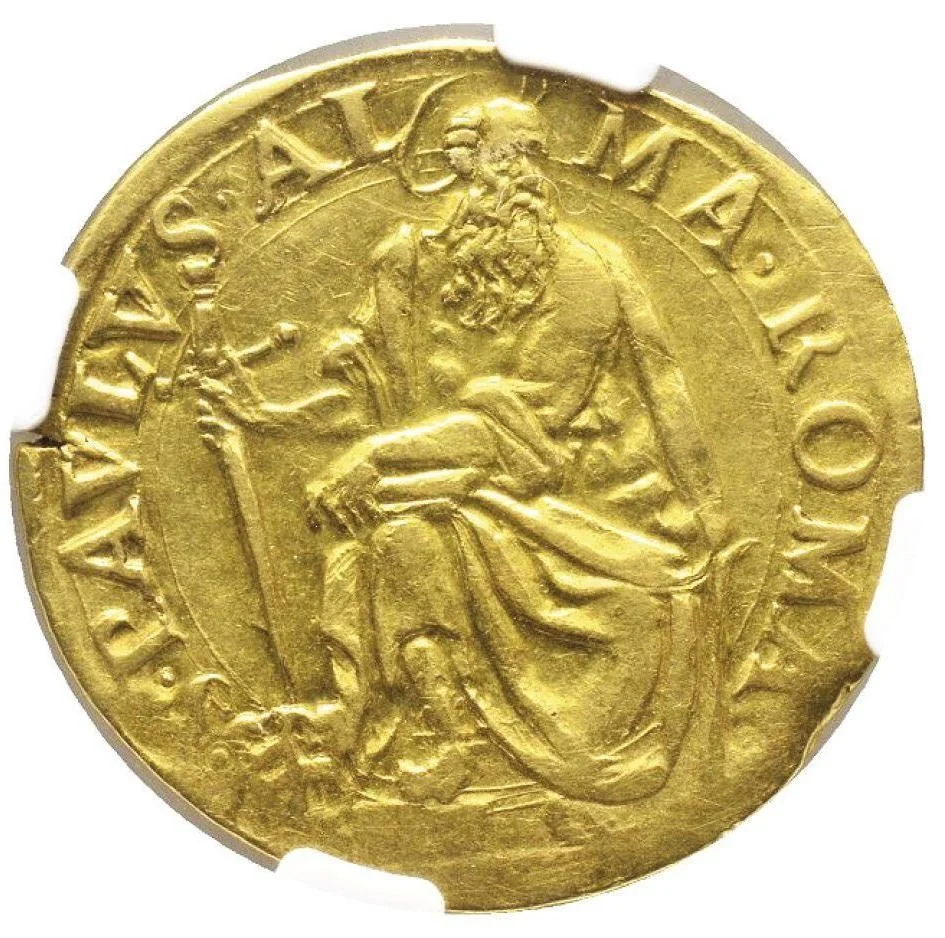
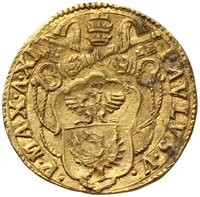
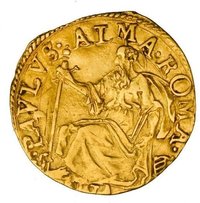
Reverse
Description:
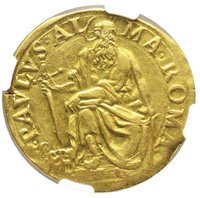
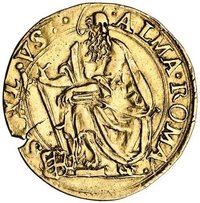
St. Paul seated, holding a sword and a book.
Inscription:
S PAVLVS ALMA ROMA
Script: Latin
Edge
Mints
| Name | Mark |
|---|---|
| Rome | — |
Mintings
| Year | Mint Mark | Mintage | Quality | Collection |
|---|---|---|---|---|
| 1607 | — | — |
Historical background
In 1607, the Papal States, under the reign of Pope Paul V (Borghese), operated within a complex and often chaotic monetary system typical of early modern Italian states. The primary unit of account was the papal scudo, a silver coin, but the circulating medium was a bewildering array of physical coins from various Italian and foreign states, including Venetian ducats, Florentine florins, Spanish reales, and local issues from papal mints in Rome and Bologna. This proliferation created significant challenges for trade and administration, as the value of coins depended not only on their metal content but also on fluctuating official exchange rates (corso) set by papal authorities.
The financial situation was strained by the papacy's immense expenditures on artistic patronage, architectural projects (like the completion of St. Peter's Basilica), and the administrative costs of governing the central Italian territories. To raise revenue, the Apostolic Chamber frequently resorted to debasement—reducing the precious metal content in coins while maintaining their face value. This practice, alongside the influx of lower-quality foreign coinage, led to periodic inflation, a loss of public confidence in the currency, and frequent edicts attempting to fix exchange rates and expel "bad money."
Consequently, 1607 fell within a period of ongoing monetary instability and reform efforts. The Papal States lacked a uniform, trusted coinage that could dominate circulation. Authorities grappled with balancing fiscal necessity with economic stability, often issuing strict monetary proclamations that were difficult to enforce. The situation reflected the broader European "Price Revolution" and highlighted the tension between the papacy's spiritual authority and its temporal challenges in managing a sovereign state's economy, a problem that would persist for centuries.
The financial situation was strained by the papacy's immense expenditures on artistic patronage, architectural projects (like the completion of St. Peter's Basilica), and the administrative costs of governing the central Italian territories. To raise revenue, the Apostolic Chamber frequently resorted to debasement—reducing the precious metal content in coins while maintaining their face value. This practice, alongside the influx of lower-quality foreign coinage, led to periodic inflation, a loss of public confidence in the currency, and frequent edicts attempting to fix exchange rates and expel "bad money."
Consequently, 1607 fell within a period of ongoing monetary instability and reform efforts. The Papal States lacked a uniform, trusted coinage that could dominate circulation. Authorities grappled with balancing fiscal necessity with economic stability, often issuing strict monetary proclamations that were difficult to enforce. The situation reflected the broader European "Price Revolution" and highlighted the tension between the papacy's spiritual authority and its temporal challenges in managing a sovereign state's economy, a problem that would persist for centuries.
✨ Legendary