

12 Skilling – Denmark
Denmark
Context

Material
Diameter: 20 mm
Weight: 2.92 g
Silver weight: 2.59 g
Shape: Irregular round
Composition: 88.8% Silver
Magnetic: No
References
KM: #Click to copy to clipboard85
Numista: #306969
Value
Bullion value: $7.36
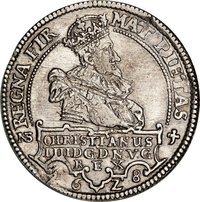
Obverse
Description:
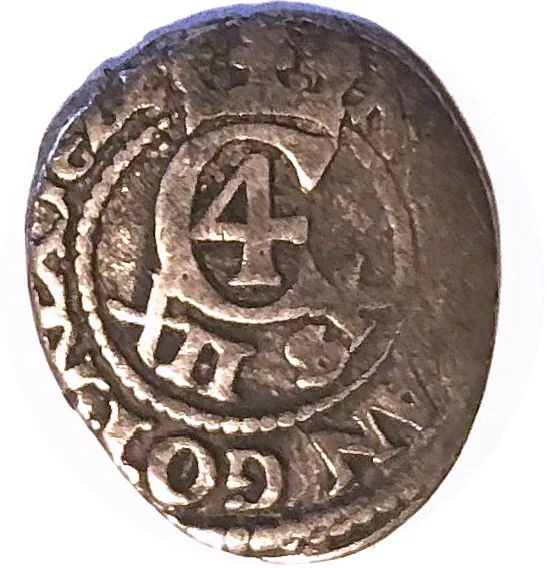
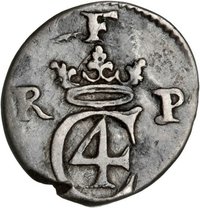
Crowned monogram in pearl circle, value within. Lettering and year around pearled rim.
Inscription:
C4
XII SK
NOR VAN GOT REX 16ZZ
XII SK
NOR VAN GOT REX 16ZZ
Script: Latin
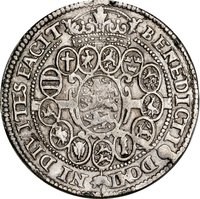
Reverse
Description:
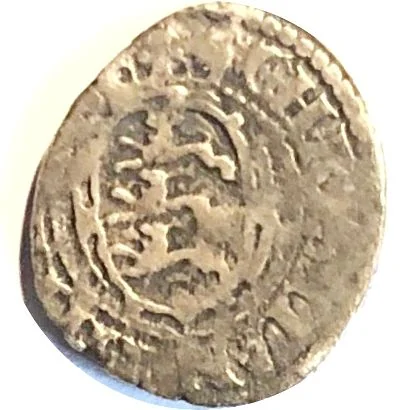
Danish coat of arms crowned, encircled by pearls with rim lettering.
Inscription:
CHRISTIAN IIII D G D
Script: Latin
Edge
Mints
| Name | Mark |
|---|---|
| Frederiksborg | — |
Mintings
| Year | Mint Mark | Mintage | Quality | Collection |
|---|---|---|---|---|
| 1622 | — | — | ||
| 1623 | — | — |
Historical background
In 1622, Denmark found itself in a severe monetary crisis, a direct consequence of the costly Kalmar War (1611-1613) against Sweden and the extravagant building projects of King Christian IV. To finance these endeavours, the state had significantly debased the currency, notably the skilling. The royal mint reduced the silver content in coins while officially maintaining their face value, a practice that flooded the kingdom with weak, inflationary currency and eroded public trust.
This situation created a destructive cycle of Gresham's Law, where "bad money drives out good." Older, high-silver coins were hoarded or melted down for their bullion value, while the new, inferior coins circulated widely, losing purchasing power. Prices for goods and grain soared as merchants and farmers demanded more of the debased coins for their products, leading to social unrest and hardship for the population, particularly those on fixed incomes like soldiers and civil servants.
Recognising the crisis, the Danish government took decisive action in 1622. A major monetary reform was enacted, introducing a new, stable currency system based on the rigsdaler as a large silver coin, subdivided into marks and skilling. The state recalled and demonetised the old debased coins, offering compensation at rates below their face value but above their intrinsic metal worth. This painful but necessary reset, funded by new taxes, successfully stabilised the currency and laid the foundation for fiscal recovery, though it came at a significant short-term cost to the populace.
This situation created a destructive cycle of Gresham's Law, where "bad money drives out good." Older, high-silver coins were hoarded or melted down for their bullion value, while the new, inferior coins circulated widely, losing purchasing power. Prices for goods and grain soared as merchants and farmers demanded more of the debased coins for their products, leading to social unrest and hardship for the population, particularly those on fixed incomes like soldiers and civil servants.
Recognising the crisis, the Danish government took decisive action in 1622. A major monetary reform was enacted, introducing a new, stable currency system based on the rigsdaler as a large silver coin, subdivided into marks and skilling. The state recalled and demonetised the old debased coins, offering compensation at rates below their face value but above their intrinsic metal worth. This painful but necessary reset, funded by new taxes, successfully stabilised the currency and laid the foundation for fiscal recovery, though it came at a significant short-term cost to the populace.
✨ Legendary