

2 Speciedaler – Denmark
Denmark
Context

Material
References
KM: #Click to copy to clipboard205
Numista: #305881
Value
Bullion value: $145.87
Obverse
Description:
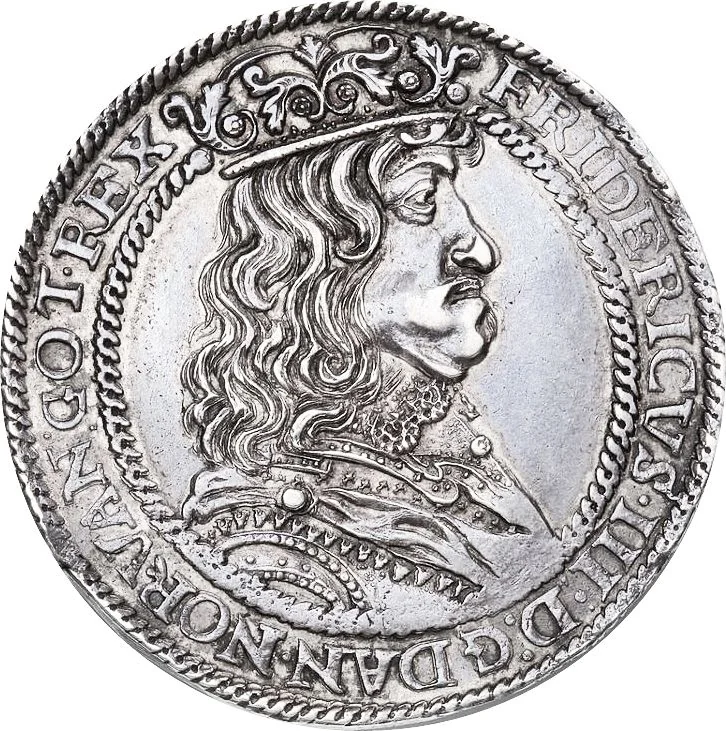
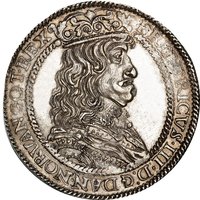
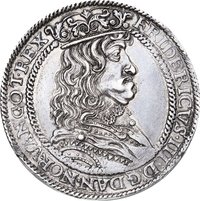
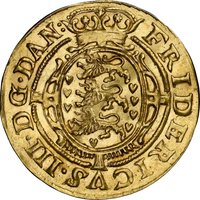
Right-facing armored bust of the King with long hair, within a rope circle touching his crown. Outer legend.
Inscription:
FRIDERICVS·III·D:G DAN·NOR·VAN:GOT·REX
Script: Latin
Reverse
Description:
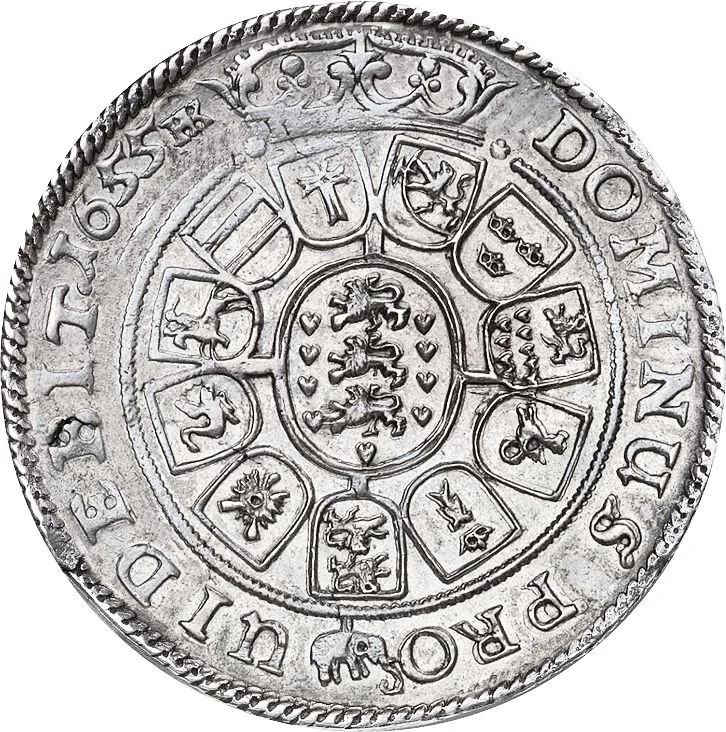
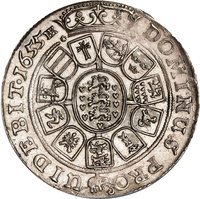
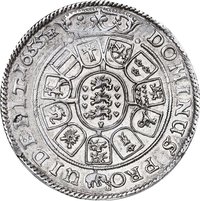
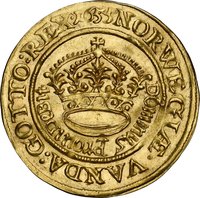
Central oval arms of Denmark surrounded by 11 flat-topped provincial shields, all encircled by a rope. Above the top shields is the Crown of Denmark, with the Order of the Elephant pendant below. Date and mintmark conclude the legend.
Inscription:
DOMINUS PRO | UIDEBIT . 1655. HK
Script: Latin
Edge
Mints
| Name | Mark |
|---|---|
| Copenhagen | — |
Mintings
| Year | Mint Mark | Mintage | Quality | Collection |
|---|---|---|---|---|
| 1655 | — | — | ||
| 1656 | — | — |
Historical background
In 1655, Denmark operated under a bimetallic monetary system, a legacy of the 1625 currency reform initiated by King Christian IV. This system was based on both silver and copper, with the primary unit being the rigsdaler, subdivided into marks and skilling. However, the system was under immense strain. Decades of costly warfare, particularly the Torstenson War (1643-1645) against Sweden, had drained the royal treasury and led to repeated debasements of the coinage. This meant the actual silver content in coins was often reduced while their face value was maintained, eroding public trust and causing inflation.
The situation was further complicated by the widespread circulation of foreign coins and the physical state of the currency. Worn, clipped, and counterfeit coins were common, making transactions difficult and fostering uncertainty. While the rigsdaler was the standard for large transactions and foreign trade, a chronic shortage of small change in copper and billon (a base metal alloy) plagued everyday commerce for ordinary citizens. This "divisionary" coin shortage was a persistent economic friction point.
Ultimately, the currency instability of 1655 was a symptom of broader fiscal weakness in the Danish state. The government, under King Frederik III, was grappling with the financial aftermath of military defeat and the looming specter of absolutism, which would be established in 1660. While no major reform occurred in 1655 itself, the persistent monetary problems contributed to the centralizing pressures of the era, setting the stage for more controlled state-led reforms in the following decades to stabilize the crown's finances and its currency.
The situation was further complicated by the widespread circulation of foreign coins and the physical state of the currency. Worn, clipped, and counterfeit coins were common, making transactions difficult and fostering uncertainty. While the rigsdaler was the standard for large transactions and foreign trade, a chronic shortage of small change in copper and billon (a base metal alloy) plagued everyday commerce for ordinary citizens. This "divisionary" coin shortage was a persistent economic friction point.
Ultimately, the currency instability of 1655 was a symptom of broader fiscal weakness in the Danish state. The government, under King Frederik III, was grappling with the financial aftermath of military defeat and the looming specter of absolutism, which would be established in 1660. While no major reform occurred in 1655 itself, the persistent monetary problems contributed to the centralizing pressures of the era, setting the stage for more controlled state-led reforms in the following decades to stabilize the crown's finances and its currency.
Series: 1655 Denmark circulation coins
✨ Legendary