

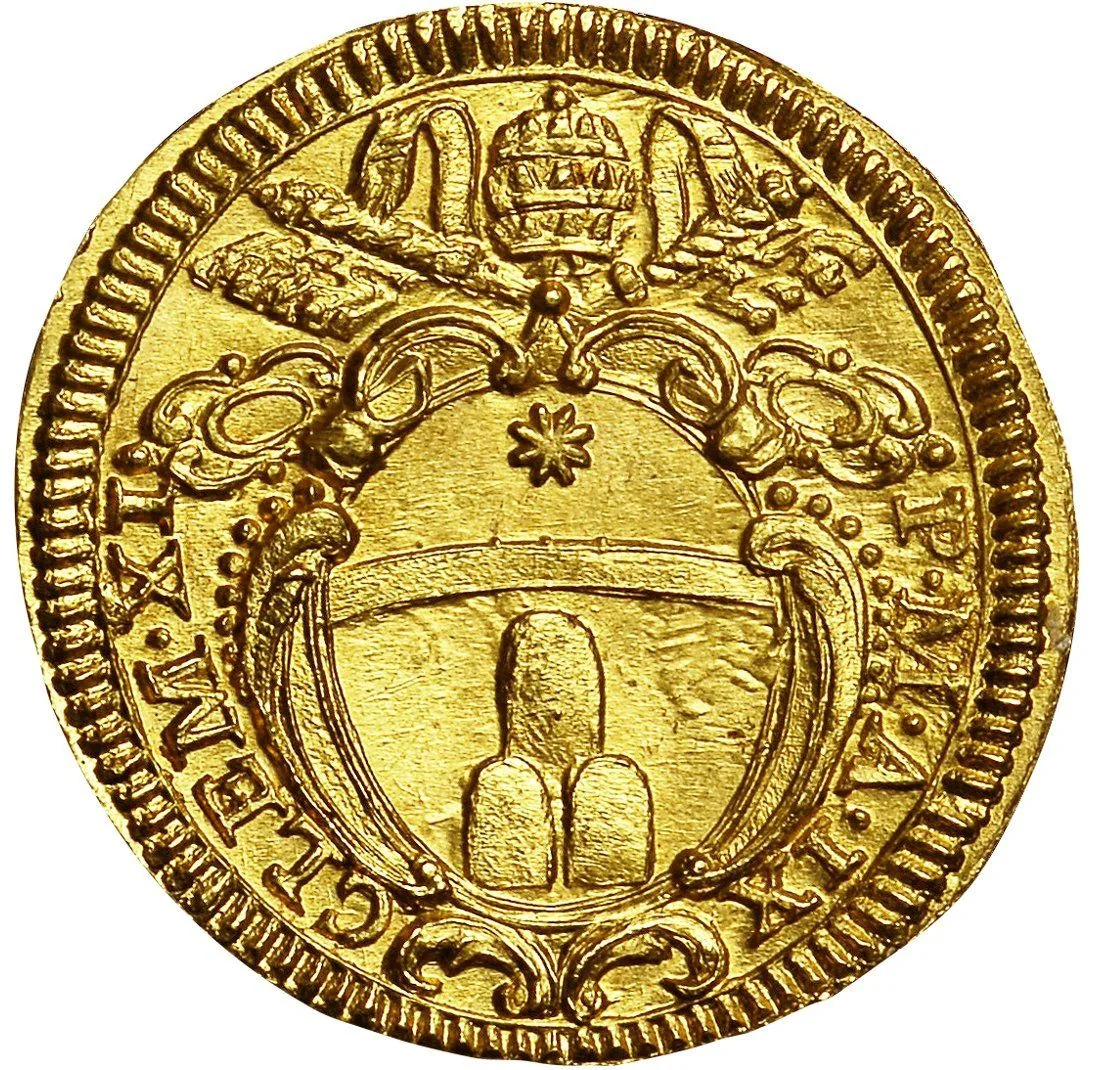
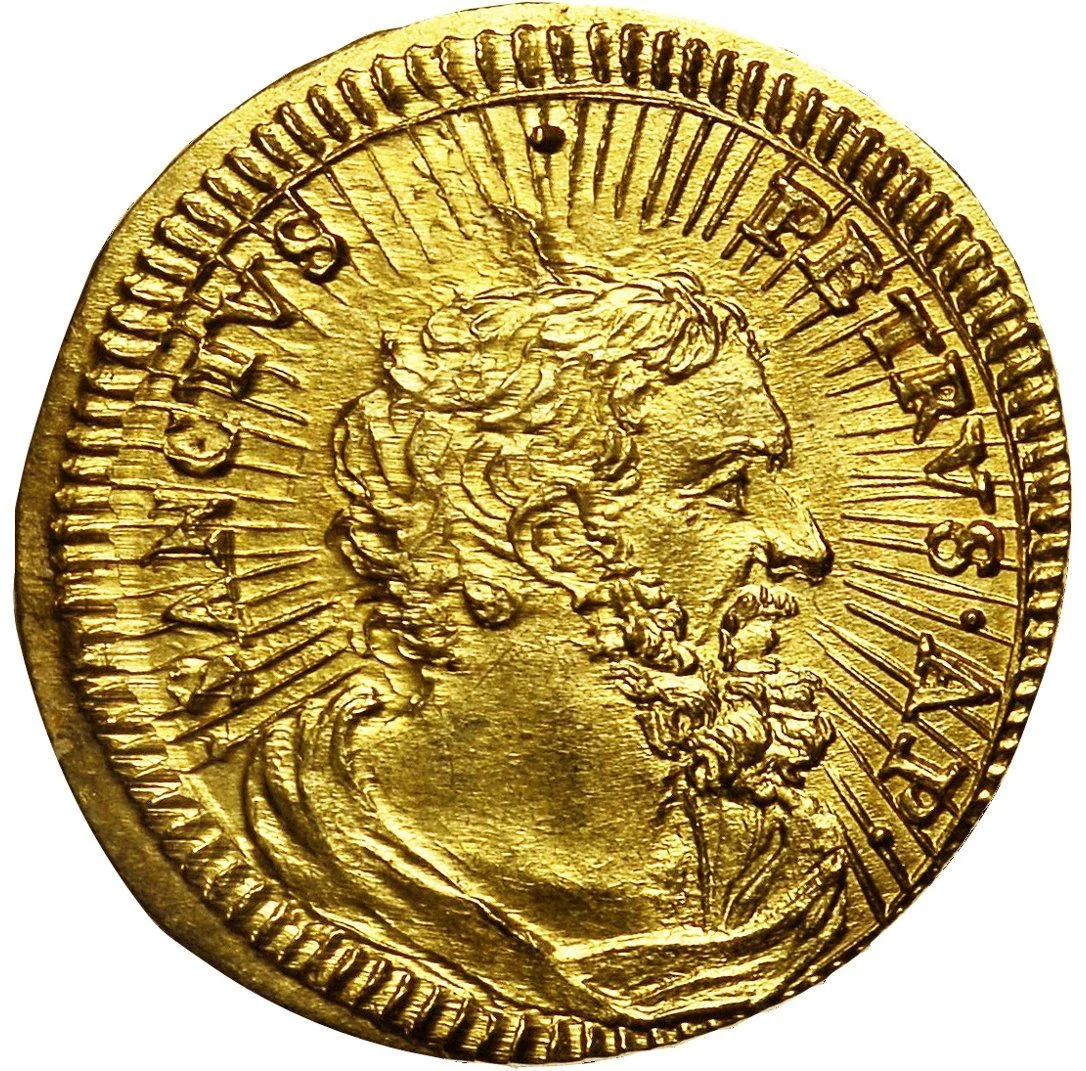
½ Scudo – Papal States
Vatican City
Context
Year: 1709
Country: Vatican City 
Issuer: Papal States
Ruler: Clement XI
Currency:
(1534—1835)
Demonetized: Yes
Material
References
KM: #Click to copy to clipboard717
Numista: #303816
Value
Bullion value: $287.63
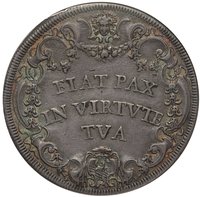
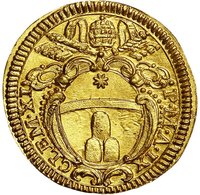
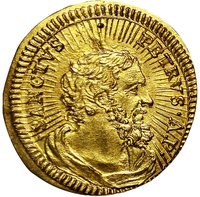
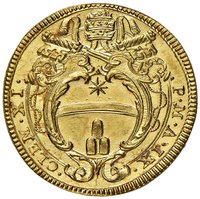
Obverse
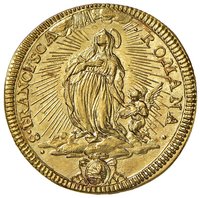
Reverse
Edge
Mints
| Name | Mark |
|---|---|
| Rome | — |
Mintings
| Year | Mint Mark | Mintage | Quality | Collection |
|---|---|---|---|---|
| 1709 | — | — |
Historical background
In 1709, the Papal States found themselves in a severe monetary crisis, a direct consequence of the wider European conflict known as the War of the Spanish Succession (1701-1714). The peninsula was a theatre of war, with foreign armies marching through and occupying papal territories. This imposed immense financial strain, as the Papal Treasury was drained to pay for fortifications, provisions, and tributes to avoid sackings, while traditional revenue streams from land taxes and pilgrimages sharply declined. The situation was exacerbated by a catastrophic famine in 1709, caused by the "Great Frost," which devastated agriculture, led to social unrest, and further reduced the state's economic base.
The crisis manifested most acutely in the drastic debasement of the coinage. To generate immediate funds, Pope Clement XI (1700-1721) authorized the reduction of silver content in coins like the giulio and grosso. This practice, essentially minting coins with intrinsic value far below their face value, led to rampant inflation and a flight of good currency. Older, purer coins were hoarded or melted down, leaving only the debased new issues in circulation. The monetary system became chaotic, with multiple values for the same denomination and a profound loss of public trust in the currency, which crippled daily commerce and long-distance trade.
This financial turmoil occurred within a fragile political context. The Pope's temporal authority was being challenged by the great powers involved in the war, particularly the Holy Roman Empire, limiting his ability to enact effective reforms. While attempts were made to stabilize the currency later in Clement's pontificate, including a brief recall and re-minting, the damage of 1709 was profound. It highlighted the vulnerability of the Papal States' economy and exposed the structural weaknesses of its financial administration, leaving a legacy of instability that would trouble the papacy for decades.
The crisis manifested most acutely in the drastic debasement of the coinage. To generate immediate funds, Pope Clement XI (1700-1721) authorized the reduction of silver content in coins like the giulio and grosso. This practice, essentially minting coins with intrinsic value far below their face value, led to rampant inflation and a flight of good currency. Older, purer coins were hoarded or melted down, leaving only the debased new issues in circulation. The monetary system became chaotic, with multiple values for the same denomination and a profound loss of public trust in the currency, which crippled daily commerce and long-distance trade.
This financial turmoil occurred within a fragile political context. The Pope's temporal authority was being challenged by the great powers involved in the war, particularly the Holy Roman Empire, limiting his ability to enact effective reforms. While attempts were made to stabilize the currency later in Clement's pontificate, including a brief recall and re-minting, the damage of 1709 was profound. It highlighted the vulnerability of the Papal States' economy and exposed the structural weaknesses of its financial administration, leaving a legacy of instability that would trouble the papacy for decades.
✨ Legendary