

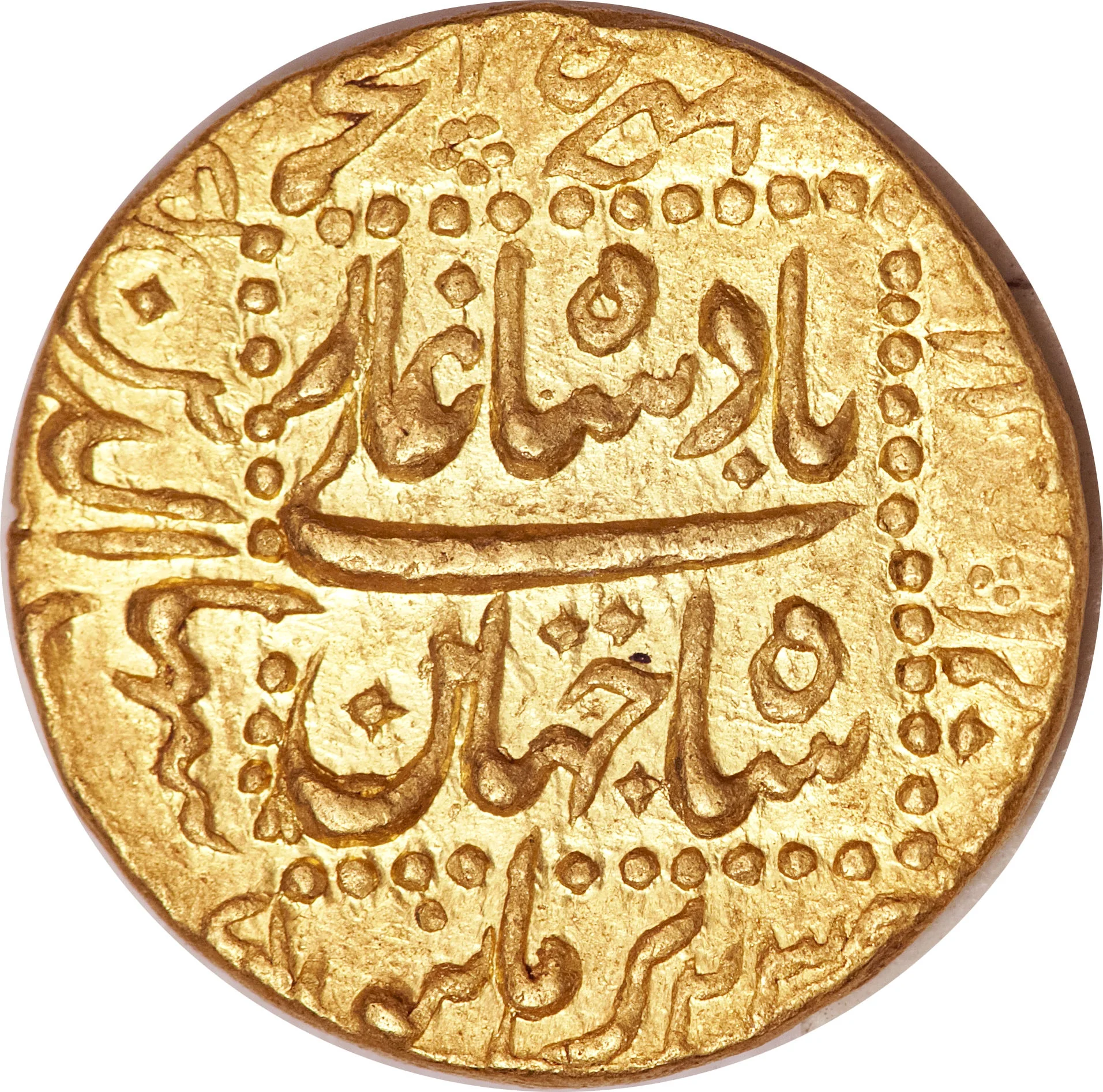
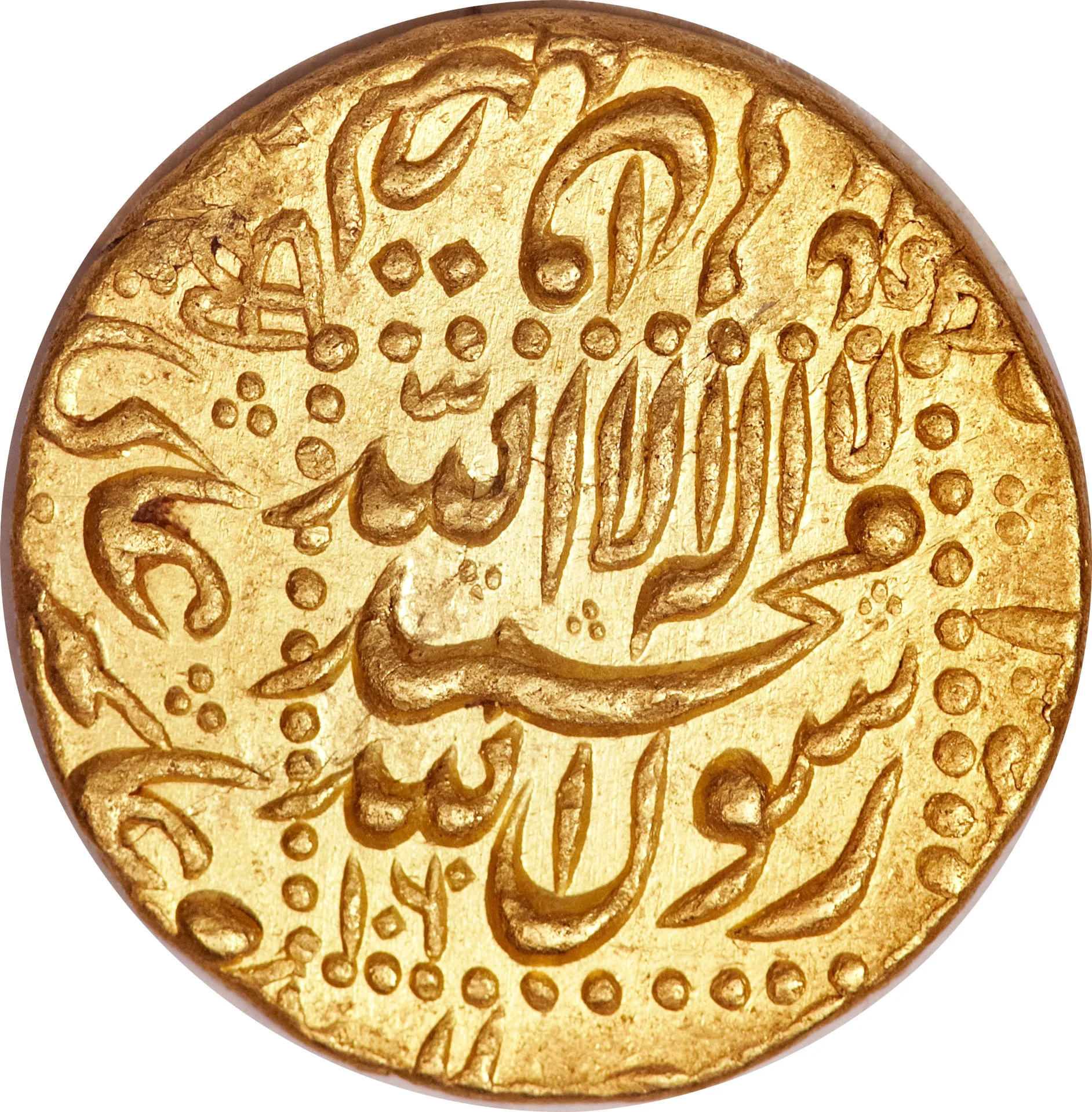
1 Mohur – Mughal Empire
India
Context
Years: 1631–1658
Country: India 
Issuer: Mughal Empire
Ruler: Shah Jahan
Currency:
(1540—1842)
Demonetized: Yes
References
KM: #Click to copy to clipboard260.6
Numista: #30184
Value
Bullion value: $1964.46
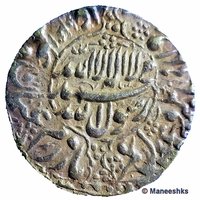
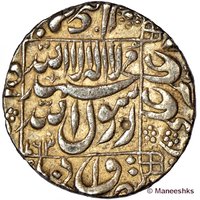
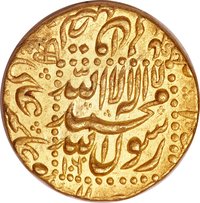
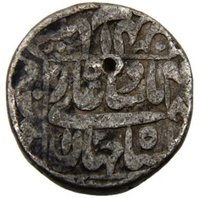
Obverse
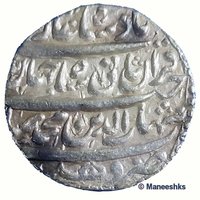
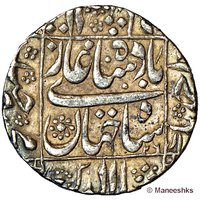
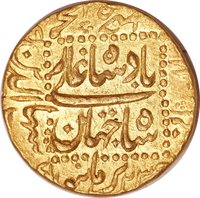
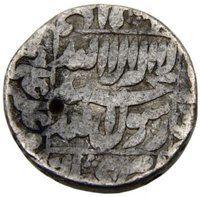
Reverse
Edge
Mintings
| Year | Mint Mark | Mintage | Quality | Collection |
|---|---|---|---|---|
| 1631 | — | — | ||
| 1632 | — | — | ||
| 1633 | — | — | ||
| 1634 | — | — | ||
| 1638 | — | — | ||
| 1639 | — | — | ||
| 1640 | — | — | ||
| 1641 | — | — | ||
| 1642 | — | — | ||
| 1643 | — | — | ||
| 1643 | — | — | ||
| 1644 | — | — | ||
| 1645 | — | — | ||
| 1646 | — | — | ||
| 1647 | — | — | ||
| 1648 | — | — | ||
| 1649 | — | — | ||
| 1650 | — | — | ||
| 1651 | — | — | ||
| 1653 | — | — | ||
| 1658 | — | — |
Historical background
In 1631, the Mughal Empire's currency system was a sophisticated and stable bimetallic standard, meticulously administered under Emperor Shah Jahan. The empire operated on the rupee (rupya), a high-purity silver coin, and the mohur, a gold coin, with a fixed exchange rate typically around 14-16 silver rupees to one gold mohur. The system's integrity was maintained through a network of imperial mints (dar al-zarb) across major cities like Surat, Ahmedabad, Lahore, and Delhi, which standardized coinage using the "die-stamping" method. This ensured uniform weight and purity, with the rupee's value derived intrinsically from its precious metal content, fostering confidence in trade across the empire and beyond.
This monetary stability was a key pillar of the empire's economic strength, facilitating both vast internal commerce and burgeoning international trade, particularly with European companies like the English and Dutch East India Companies. However, 1631 itself was a year of profound contradiction. While the currency system itself was robust, the treasury faced immense strain due to the colossal expenditures on Shah Jahan's monumental building projects, most notably the ongoing construction of the Taj Mahal, begun that very year following Mumtaz Mahal's death. Furthermore, the Deccan campaigns continued to drain revenue, creating a tension between the empire's display of wealth and the real pressures on its fiscal resources.
Consequently, the currency situation in 1631 was one of institutional strength masking underlying fiscal stress. There was no debasement of coinage—the rupee remained a trusted and prestigious unit—but the imperial administration was compelled to maximize revenue extraction from agriculture and trade to fund its ambitions. Thus, the period represents the height of Mughal numismatic excellence, even as the economic foundations began to be tested by the costs of imperial grandeur and military expansion, setting a precedent for future financial challenges.
This monetary stability was a key pillar of the empire's economic strength, facilitating both vast internal commerce and burgeoning international trade, particularly with European companies like the English and Dutch East India Companies. However, 1631 itself was a year of profound contradiction. While the currency system itself was robust, the treasury faced immense strain due to the colossal expenditures on Shah Jahan's monumental building projects, most notably the ongoing construction of the Taj Mahal, begun that very year following Mumtaz Mahal's death. Furthermore, the Deccan campaigns continued to drain revenue, creating a tension between the empire's display of wealth and the real pressures on its fiscal resources.
Consequently, the currency situation in 1631 was one of institutional strength masking underlying fiscal stress. There was no debasement of coinage—the rupee remained a trusted and prestigious unit—but the imperial administration was compelled to maximize revenue extraction from agriculture and trade to fund its ambitions. Thus, the period represents the height of Mughal numismatic excellence, even as the economic foundations began to be tested by the costs of imperial grandeur and military expansion, setting a precedent for future financial challenges.
✨ Legendary