

2 Zecchini – Malta
Malta
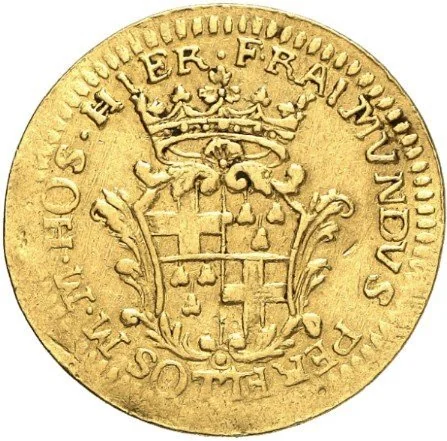
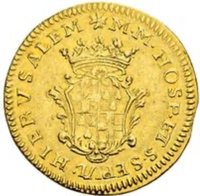
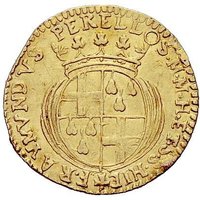
Obverse
Description:
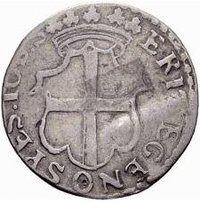
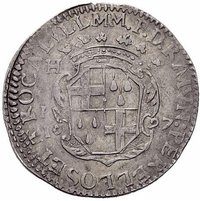
Shield with arms, crowned and flanked by sprigs.
Inscription:
F • RAIMVNDVS PERELLOS M • M • HOS • HIER •
Script: Latin
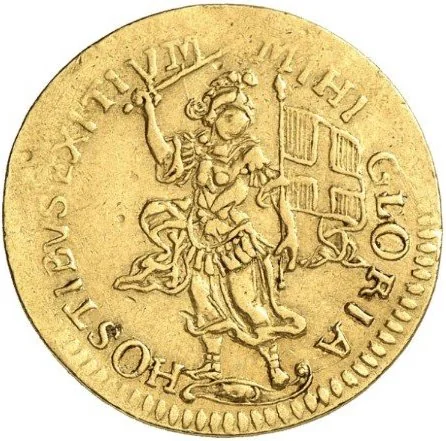
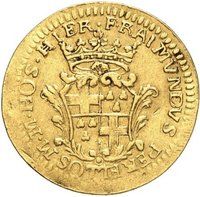
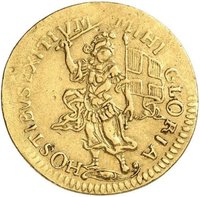
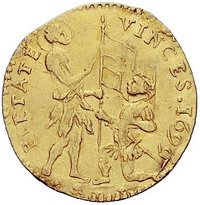
Reverse
Edge
Mintings
| Year | Mint Mark | Mintage | Quality | Collection |
|---|---|---|---|---|
| — | — | — |
Historical background
In 1697, Malta was a key strategic possession of the Knights Hospitaller, also known as the Order of St. John. The island's economy was heavily influenced by its role as a fortified naval base and its position at the crossroads of Mediterranean trade routes. Consequently, a vast array of foreign coins circulated on the islands, including Spanish pieces of eight, Venetian sequins, French écus, and Turkish piastres. This created a complex and often chaotic monetary environment where exchange rates fluctuated based on the metal content and perceived reliability of the issuing state, leading to confusion and potential for fraud in everyday transactions.
The official currency system was theoretically based on the Maltese scudo, divided into 12 tari, each of 20 grani or 240 piccioli. However, this was largely a unit of account for bookkeeping, as physical Maltese coinage was in short supply. The Order minted limited quantities of copper grani and silver tari and scudi, but these were insufficient for the economy's needs. The real money in use was this international medley of silver and gold, with merchants and money-changers playing a crucial role in assessing and exchanging these disparate coins.
Recognizing the problems, the Order's authorities made ongoing but struggling efforts to regulate this system. They periodically issued official tariffs, fixing the value of the most common foreign coins in terms of the Maltese scudo. The tariff of 1697 would have been one such attempt to bring order, legally defining how many tari or grani a Spanish real or a Venetian zecchino was worth. Despite these decrees, enforcement was difficult, and the practical reality remained a bustling, multilingual marketplace where the value of money was as fluid as the sea surrounding the island.
The official currency system was theoretically based on the Maltese scudo, divided into 12 tari, each of 20 grani or 240 piccioli. However, this was largely a unit of account for bookkeeping, as physical Maltese coinage was in short supply. The Order minted limited quantities of copper grani and silver tari and scudi, but these were insufficient for the economy's needs. The real money in use was this international medley of silver and gold, with merchants and money-changers playing a crucial role in assessing and exchanging these disparate coins.
Recognizing the problems, the Order's authorities made ongoing but struggling efforts to regulate this system. They periodically issued official tariffs, fixing the value of the most common foreign coins in terms of the Maltese scudo. The tariff of 1697 would have been one such attempt to bring order, legally defining how many tari or grani a Spanish real or a Venetian zecchino was worth. Despite these decrees, enforcement was difficult, and the practical reality remained a bustling, multilingual marketplace where the value of money was as fluid as the sea surrounding the island.
Series: 1697 Malta circulation coins
✨ Legendary