

4 Tari – Malta
Malta
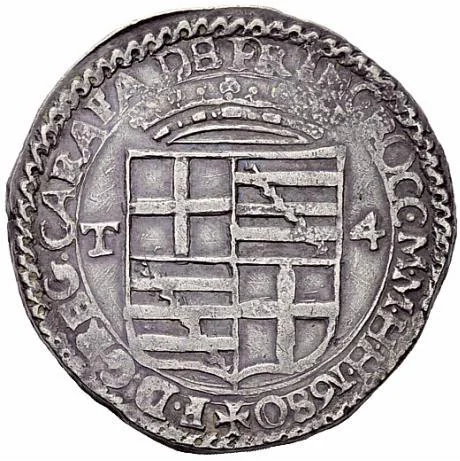
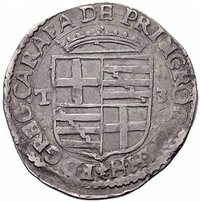
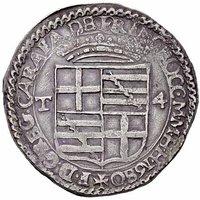
Obverse
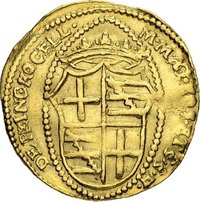
Description:
Carafa arms flank value.
Inscription:
☩ F • D • GREG • CARAFA DE PRINC • ROCC • M • M • H • H • 1680
T 4
T 4
Script: Latin
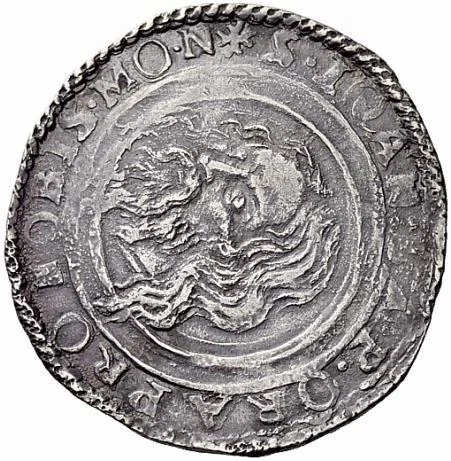
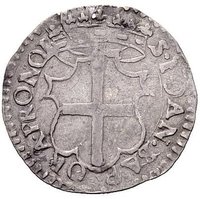
Reverse
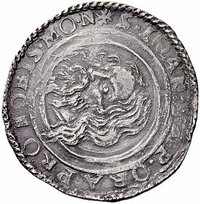
Description:
Saint John the Baptist's severed head.
Inscription:
☩ S • IOAN • BAP • ORA • PRO NOBIS • MO • N
Script: Latin
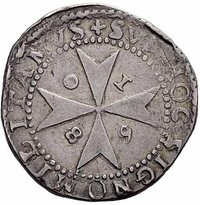
Edge
Mintings
| Year | Mint Mark | Mintage | Quality | Collection |
|---|---|---|---|---|
| 1680 | — | — | ||
| 1681 | — | — | ||
| 1685 | — | — |
Historical background
In 1680, Malta's currency situation was complex and fragmented, reflecting its strategic position and the influence of its ruling power, the Order of Saint John. The official currency was the Maltese scudo, a silver coin minted by the Order itself at the Zecca (mint) in Valletta. However, the scudo did not circulate in isolation. Due to Malta's role as a bustling hub for Mediterranean trade, a multitude of foreign coins were in common use, including Spanish pieces of eight, Venetian sequins, and French écus. This created a constant challenge of exchange and valuation.
The economy was further complicated by a chronic shortage of small change for everyday transactions. To address this, the Order allowed the circulation of low-value copper tokens, known as grani and tari, often issued by local merchants or even the Grand Master himself. Furthermore, a significant portion of commerce, especially larger deals and international trade, was conducted through bill of exchange transactions, effectively using credit and paper to bypass the physical limitations and inconsistencies of the mixed coinage.
Overall, the monetary landscape was one of pragmatic disorder. While the Order sought to maintain the scudo as a stable standard, the practical reality for Maltese merchants and citizens was a daily negotiation involving a jumble of metallic coins of varying purity and origin. This system, though cumbersome, facilitated the island's vibrant commercial activity but left it vulnerable to the ebb and flow of foreign specie and the debasement of token coinage.
The economy was further complicated by a chronic shortage of small change for everyday transactions. To address this, the Order allowed the circulation of low-value copper tokens, known as grani and tari, often issued by local merchants or even the Grand Master himself. Furthermore, a significant portion of commerce, especially larger deals and international trade, was conducted through bill of exchange transactions, effectively using credit and paper to bypass the physical limitations and inconsistencies of the mixed coinage.
Overall, the monetary landscape was one of pragmatic disorder. While the Order sought to maintain the scudo as a stable standard, the practical reality for Maltese merchants and citizens was a daily negotiation involving a jumble of metallic coins of varying purity and origin. This system, though cumbersome, facilitated the island's vibrant commercial activity but left it vulnerable to the ebb and flow of foreign specie and the debasement of token coinage.
Series: 1680 Malta circulation coins
✨ Legendary