

1 Piastra – Papal States
Vatican City
Context
Years: 1690–1691
Country: Vatican City 
Issuer: Papal States
Ruler: Alexander VIII
Currency:
(1534—1835)
Demonetized: Yes
Material
Diameter: 44 mm
Weight: 31.1 g
Silver weight: 28.52 g
Shape: Round
Composition: 91.7% Silver
Standard: Silver ounce
Magnetic: No
Alignment: Medal alignment
flip
References
KM: #Click to copy to clipboard528
Numista: #29337
Value
Bullion value: $80.67
Obverse
Description:
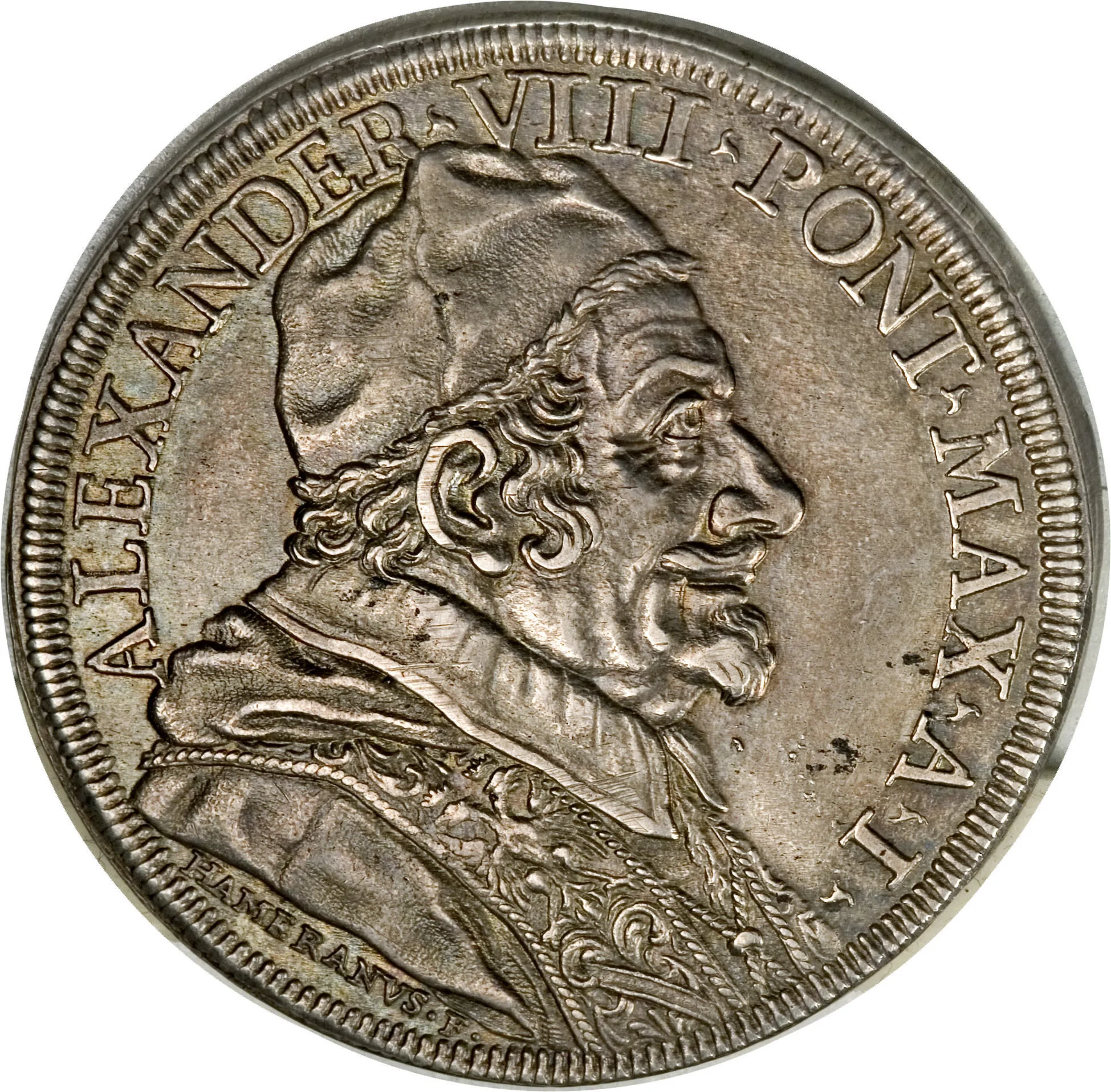
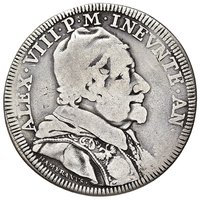
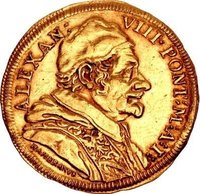
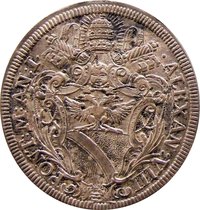
Pope Alexander VIII, bearded, facing right.
Inscription:
ALEXANDER VIII PONT MAX A I
HAMERANVS F
HAMERANVS F
Script: Latin
Engraver: Giovanni Hamerani
Reverse
Description:
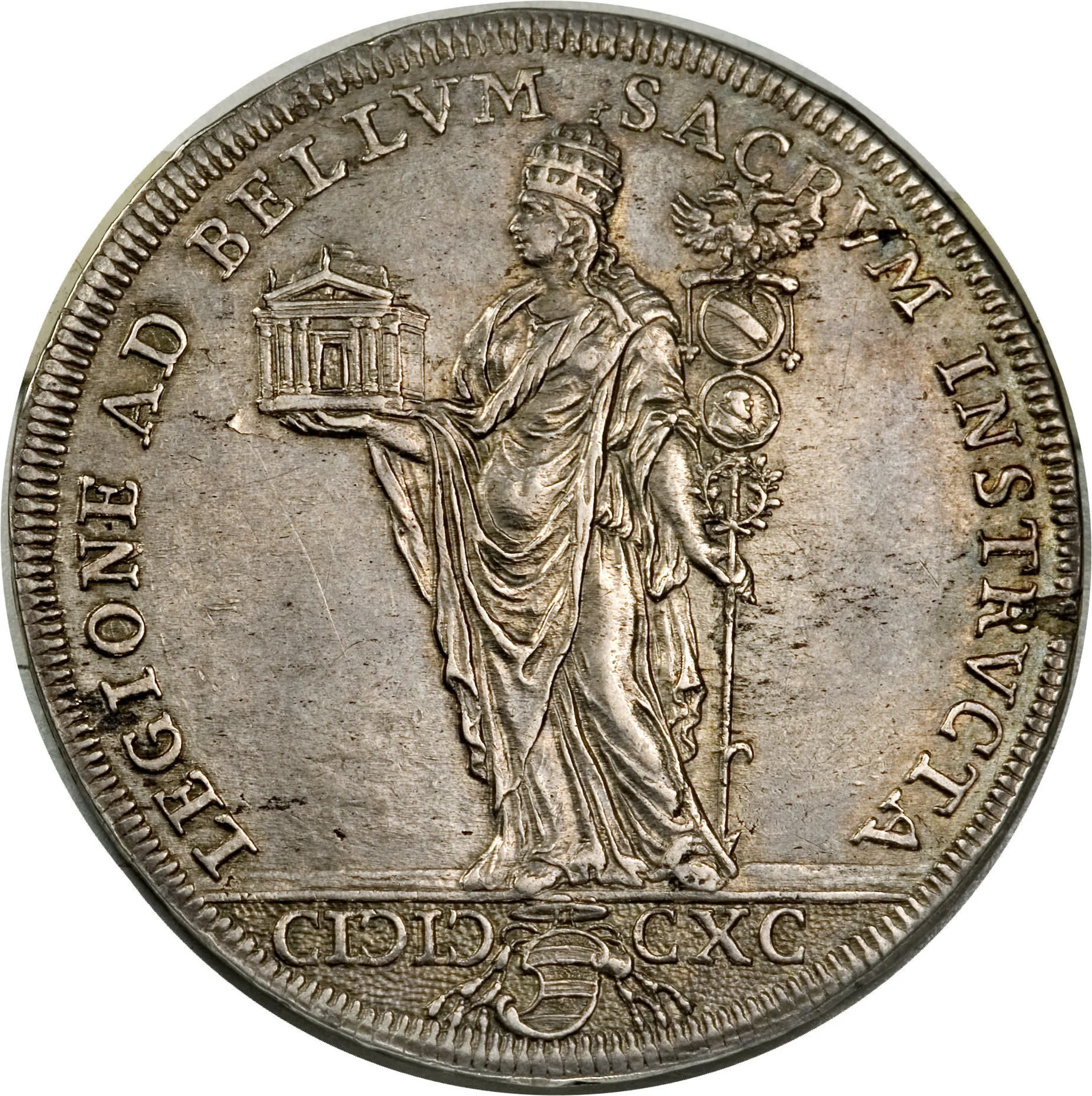
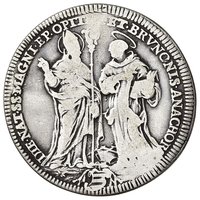
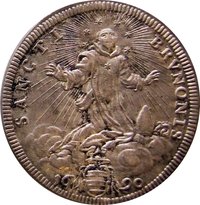
Female Church figure with tiara, temple, and insignia; Papal arms below.
Inscription:
LEGIONE AD BELLVM SACRVM INSTRVCTA
CIƆIƆCXC
CIƆIƆCXC
Script: Latin
Edge
Mintings
| Year | Mint Mark | Mintage | Quality | Collection |
|---|---|---|---|---|
| 1690 | — | — | ||
| 1691 | — | — |
Historical background
In the late 17th century, the Papal States operated within a complex and fragmented monetary system, typical of the Italian peninsula before unification. There was no single, unified Papal currency; instead, a multitude of coins circulated. These included coins minted by the Papal mint itself (such as the scudo, giulio, and baiocco), but also a significant volume of foreign currencies, particularly Spanish silver reales and gold scudi from other Italian states. This proliferation created chronic issues of exchange-rate confusion and facilitated the debasement of smaller-denomination coins, leading to frequent inflation that most affected the poor.
The financial administration under Pope Alexander VIII (1689-1691) and his immediate successors was strained by the massive costs of the ongoing wars against the Ottoman Empire, most notably the Holy League's campaigns in Hungary. Furthermore, the papacy was still recovering from the immense expenditures on Baroque architecture and urban projects in Rome under earlier popes. These fiscal pressures often tempted the Apostolic Camera (the papal treasury) to engage in currency manipulation, such as issuing debased copper coins (moneta nera) to generate seigniorage revenue, which eroded public trust in the currency.
Consequently, the monetary situation was one of instability and localized scarcity. While large-scale trade and church finances were conducted in relatively stable gold scudi, the everyday economy relied on a chaotic mix of silver and copper coins of varying purity and value. This system required constant official edicts to fix exchange rates between coins, which were often ignored in practice. The lack of a strong, centralized monetary authority meant that the Papal States' economy suffered from the same transactional inefficiencies and vulnerabilities as its regional neighbors, hindering commerce and complicating tax collection at a time of significant geopolitical and financial demand.
The financial administration under Pope Alexander VIII (1689-1691) and his immediate successors was strained by the massive costs of the ongoing wars against the Ottoman Empire, most notably the Holy League's campaigns in Hungary. Furthermore, the papacy was still recovering from the immense expenditures on Baroque architecture and urban projects in Rome under earlier popes. These fiscal pressures often tempted the Apostolic Camera (the papal treasury) to engage in currency manipulation, such as issuing debased copper coins (moneta nera) to generate seigniorage revenue, which eroded public trust in the currency.
Consequently, the monetary situation was one of instability and localized scarcity. While large-scale trade and church finances were conducted in relatively stable gold scudi, the everyday economy relied on a chaotic mix of silver and copper coins of varying purity and value. This system required constant official edicts to fix exchange rates between coins, which were often ignored in practice. The lack of a strong, centralized monetary authority meant that the Papal States' economy suffered from the same transactional inefficiencies and vulnerabilities as its regional neighbors, hindering commerce and complicating tax collection at a time of significant geopolitical and financial demand.
✨ Legendary