

1 Piastra – Papal States
Circulating commemorative coins
Commemoration: Canonization of St. Thomas of Villanova
Vatican City
Context
Year: 1658
Country: Vatican City 
Issuer: Papal States
Ruler: Alexander VII
Currency:
(1534—1835)
Demonetized: Yes
Material
References
KM: #Click to copy to clipboard290
Numista: #29284
Value
Bullion value: $93.25
Obverse
Description:
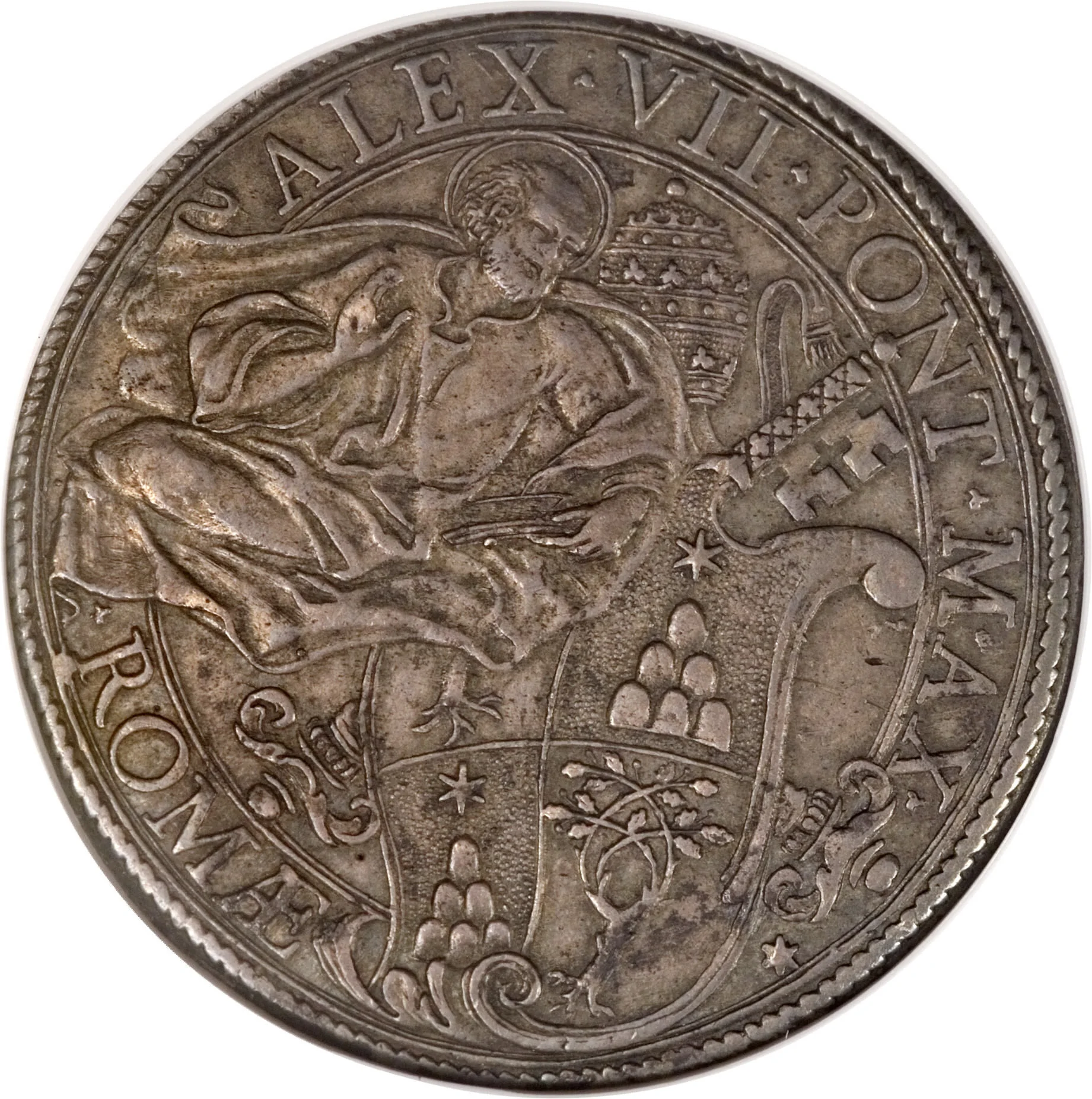
St. Peter resting above the papal coat of arms.
Inscription:
ALEX٠VII٠PONT٠MAX٠
٠ROMÆ
٠ROMÆ
Script: Latin
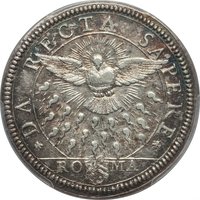
Reverse
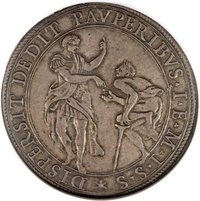
Description:
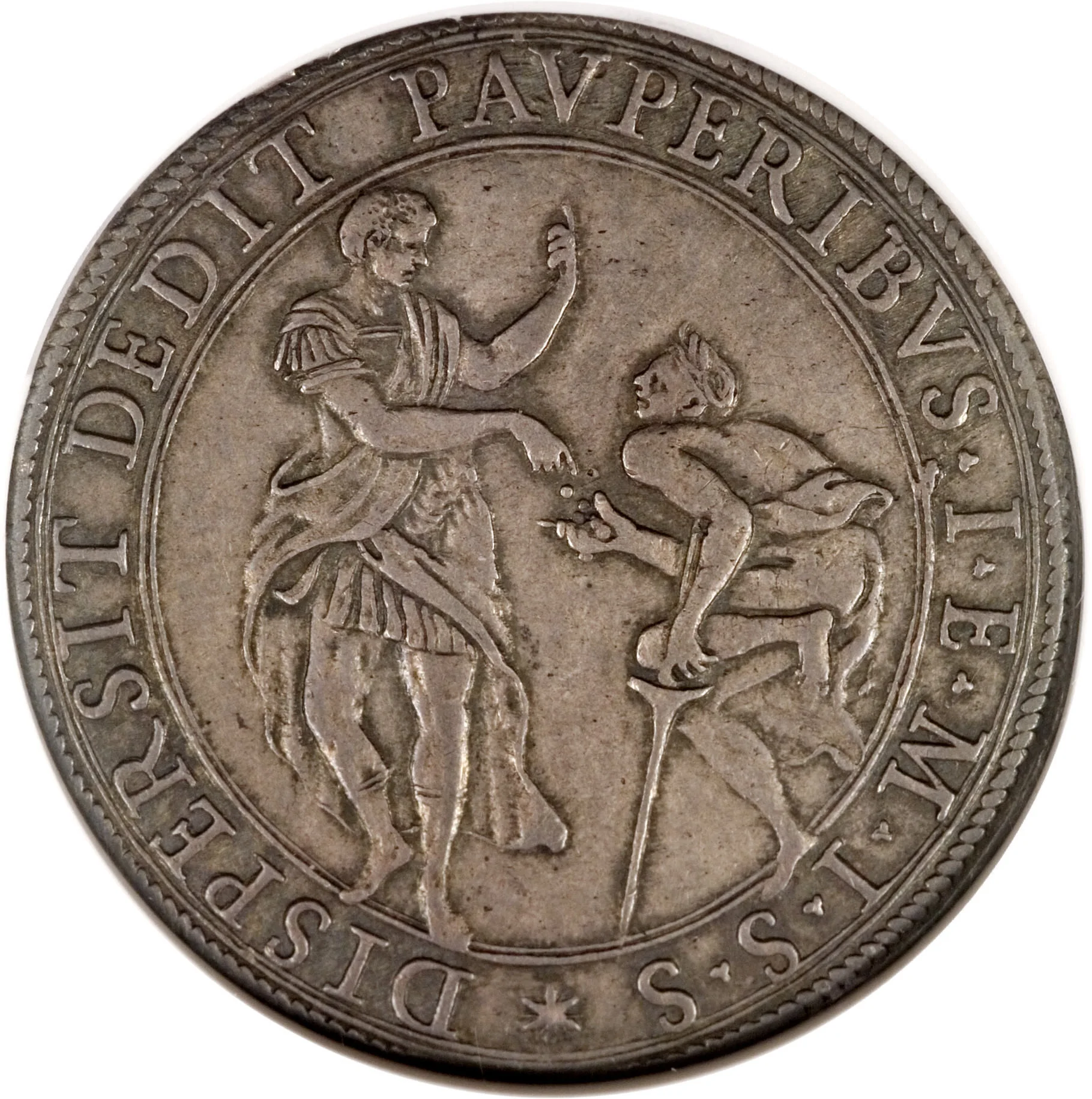
St. Thomas of Villanova giving alms.
Inscription:
DISPERSIT DEDIT PAVPERIBVS I·E·M·I·S·S
Script: Latin
Edge
Mints
| Name | Mark |
|---|---|
| Rome | — |
Mintings
| Year | Mint Mark | Mintage | Quality | Collection |
|---|---|---|---|---|
| 1658 | — | — | BU |
Historical background
In 1658, the Papal States' currency system was a complex and challenging mosaic, reflecting the broader economic and political struggles of the mid-seventeenth century. The primary unit was the scudo, a large silver coin, but the everyday monetary landscape was dominated by a bewildering array of subsidiary copper and billon (debased silver) coins, such as baiocchi and quattrini. Chronic fiscal pressure, driven by the costs of maintaining Rome's grandeur, administrative expenses, and military needs, led successive popes to frequently debase this fractional coinage. This practice, essentially reducing the precious metal content to create more coins from the same amount of silver, generated seigniorage revenue for the treasury but eroded public trust and caused rampant inflation, particularly for the common people who used these smaller denominations.
The situation was further complicated by the circulation of foreign coins, especially Spanish silver reales and gold scudi from other Italian states, which were often preferred for large transactions due to their more reliable intrinsic value. This created a dual system where stable foreign currency coexisted with a volatile local coinage. The monetary authority, the Zecca (mint), struggled to maintain control, and the value of coins could fluctuate significantly between Rome, Bologna, and other papal cities. Pope Alexander VII, reigning in 1658, inherited these persistent problems and faced the constant tension between the urgent need for fiscal resources and the destabilizing effects of currency manipulation.
Consequently, the monetary environment in 1658 was one of instability and confusion, disproportionately burdening the lower classes. While the papal government could meet its short-term obligations through debasement, it did so at the cost of long-term economic health and social equity. The recurring cycles of inflation, coupled with occasional attempts at reform and revaluation, created an unpredictable market that hindered commerce and reflected the broader challenges of governing a theocratic state amidst the secular economic forces of early modern Europe.
The situation was further complicated by the circulation of foreign coins, especially Spanish silver reales and gold scudi from other Italian states, which were often preferred for large transactions due to their more reliable intrinsic value. This created a dual system where stable foreign currency coexisted with a volatile local coinage. The monetary authority, the Zecca (mint), struggled to maintain control, and the value of coins could fluctuate significantly between Rome, Bologna, and other papal cities. Pope Alexander VII, reigning in 1658, inherited these persistent problems and faced the constant tension between the urgent need for fiscal resources and the destabilizing effects of currency manipulation.
Consequently, the monetary environment in 1658 was one of instability and confusion, disproportionately burdening the lower classes. While the papal government could meet its short-term obligations through debasement, it did so at the cost of long-term economic health and social equity. The recurring cycles of inflation, coupled with occasional attempts at reform and revaluation, created an unpredictable market that hindered commerce and reflected the broader challenges of governing a theocratic state amidst the secular economic forces of early modern Europe.
✨ Legendary