

1 Tari – Malta
Malta
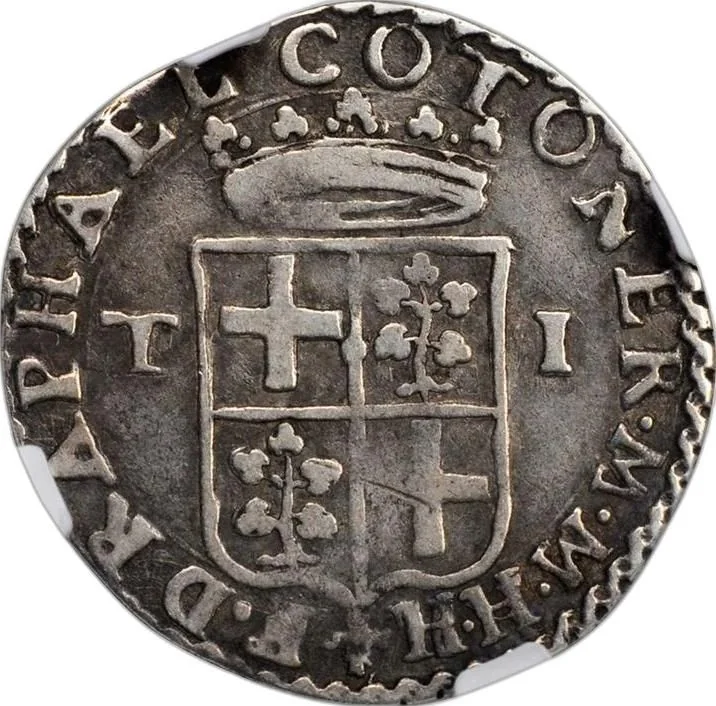
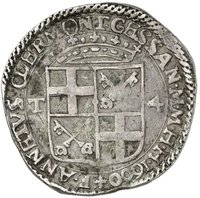
Obverse
Description:
Crowned arms of Rafael Cotoner flanking the value.
Inscription:
☩ F • D • RAPHAEL COTONER • M • M • H • H
T I
T I
Script: Latin
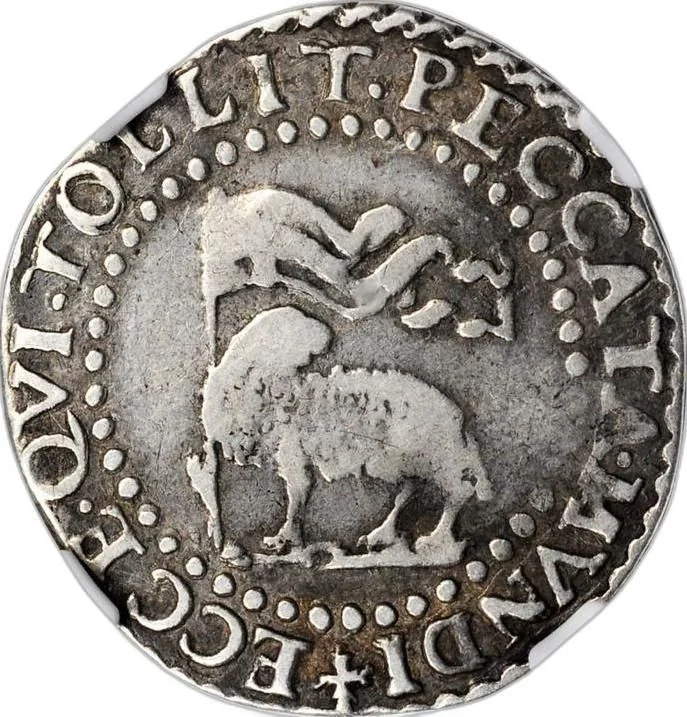
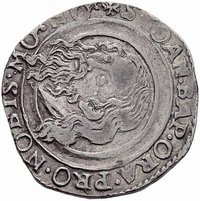
Reverse
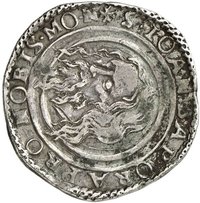
Edge
Mintings
| Year | Mint Mark | Mintage | Quality | Collection |
|---|---|---|---|---|
| — | — | — |
Historical background
In 1660, Malta's currency situation was a complex reflection of its strategic position and economic realities. The islands, ruled by the Sovereign Military Order of St. John, were a bustling Mediterranean hub for trade, corsairing, and religious pilgrimage. Consequently, a multitude of foreign coins circulated freely alongside local issues. The most prominent were Spanish silver pieces of eight (reales) and their fractional coins, which served as the de facto international trade currency. These coexisted with gold sequins from Venice, scudi from Italy, and a variety of French, Turkish, and other European coins, creating a diverse and often confusing monetary environment.
Officially, the Order minted its own copper and silver coinage in denominations like the grano, tari, and scudo at the Zecca in Valletta. However, the intrinsic value of these local coins, especially the copper issues, was frequently unstable and subject to debasement. A significant problem was the chronic shortage of small-denomination coinage for everyday transactions, leading to the common practice of cutting larger foreign silver coins into pieces (like halves and quarters) to make change. This informal fragmentation further complicated commerce and accounting.
The monetary chaos was actively managed through official "cridi" (proclamations) issued by the Order. These edicts periodically fixed the exchange rates for the plethora of foreign coins in circulation against the standard Maltese scudo, attempting to impose order and prevent the export of full-weight silver. Despite these efforts, the system remained fundamentally bimetallic and reliant on foreign specie, with its stability directly tied to the fluctuating supply of Spanish silver and the Order's own fiscal demands, which were often strained by the constant cost of fortification and naval operations.
Officially, the Order minted its own copper and silver coinage in denominations like the grano, tari, and scudo at the Zecca in Valletta. However, the intrinsic value of these local coins, especially the copper issues, was frequently unstable and subject to debasement. A significant problem was the chronic shortage of small-denomination coinage for everyday transactions, leading to the common practice of cutting larger foreign silver coins into pieces (like halves and quarters) to make change. This informal fragmentation further complicated commerce and accounting.
The monetary chaos was actively managed through official "cridi" (proclamations) issued by the Order. These edicts periodically fixed the exchange rates for the plethora of foreign coins in circulation against the standard Maltese scudo, attempting to impose order and prevent the export of full-weight silver. Despite these efforts, the system remained fundamentally bimetallic and reliant on foreign specie, with its stability directly tied to the fluctuating supply of Spanish silver and the Order's own fiscal demands, which were often strained by the constant cost of fortification and naval operations.
✨ Legendary