

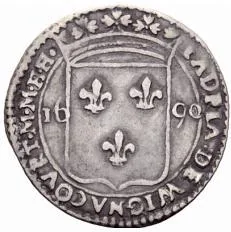
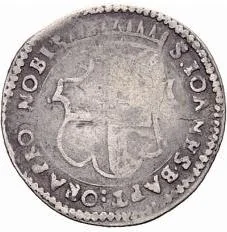
10 Grani – Malta
Malta
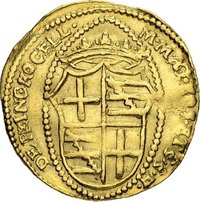
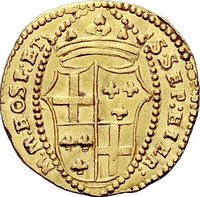
Obverse
Description:
Arms of Adrian Wignacourt.
Inscription:
F • ADRIA • DE • WIGNACOVRT • M • M • H • H •
Script: Latin
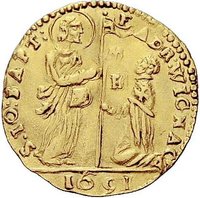
Reverse
Edge
Mintings
| Year | Mint Mark | Mintage | Quality | Collection |
|---|---|---|---|---|
| 1690 | — | — | ||
| — | — | — |
Historical background
In 1690, Malta’s currency situation was complex and fragmented, reflecting its strategic position and the legacy of successive rulers. The islands were officially under the rule of the Knights of the Order of St. John, who minted their own copper and silver coins, such as the scudo, tari, and grani. However, these official issues circulated alongside a vast array of foreign coins, a consequence of Malta's bustling Mediterranean port. Spanish pieces of eight, Venetian sequins, French écus, and Ottoman coins all flowed through Valletta’s markets, used by merchants, corsairs, and the Order's own treasury for international trade.
This multiplicity of currencies created significant practical challenges. Exchange rates between the various gold, silver, and copper coins were fluid and often disputed, leading to confusion and potential for fraud in everyday transactions. The intrinsic value of a coin (its metal content) was often more important than its face value, requiring money-changers, or "sarraff", to be essential figures in commerce. Furthermore, the Knights frequently struggled with the debasement of their own copper coinage to fund their governance and military fortifications, which could trigger inflation and public discontent.
Ultimately, the monetary system in 1690 Malta was less a unified national economy and more a pragmatic, market-driven bazaar of metal. The Knights’ authority over currency was contested by the sheer volume and necessity of foreign specie, especially silver, for larger commerce. This situation would persist with only incremental reforms until the 18th century, when the Order made more concerted efforts to standardize the coinage, though the circulation of foreign money remained a hallmark of Malta's mercantile life.
This multiplicity of currencies created significant practical challenges. Exchange rates between the various gold, silver, and copper coins were fluid and often disputed, leading to confusion and potential for fraud in everyday transactions. The intrinsic value of a coin (its metal content) was often more important than its face value, requiring money-changers, or "sarraff", to be essential figures in commerce. Furthermore, the Knights frequently struggled with the debasement of their own copper coinage to fund their governance and military fortifications, which could trigger inflation and public discontent.
Ultimately, the monetary system in 1690 Malta was less a unified national economy and more a pragmatic, market-driven bazaar of metal. The Knights’ authority over currency was contested by the sheer volume and necessity of foreign specie, especially silver, for larger commerce. This situation would persist with only incremental reforms until the 18th century, when the Order made more concerted efforts to standardize the coinage, though the circulation of foreign money remained a hallmark of Malta's mercantile life.
✨ Legendary