

10 Grani – Malta
Malta
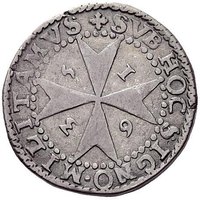
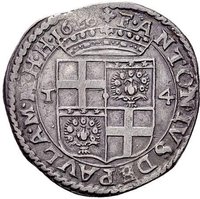
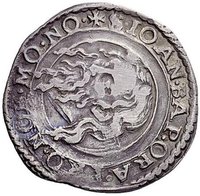
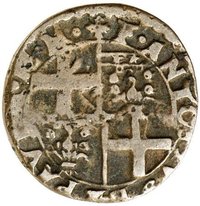
Obverse
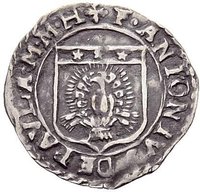
Description:
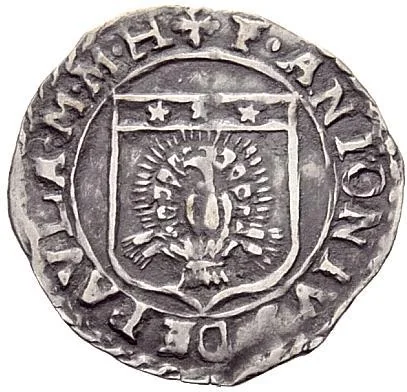
A peacock with three mullets above.
Inscription:
☩ F • ANTONIVS DE PAVLA • M • M • H
Script: Latin
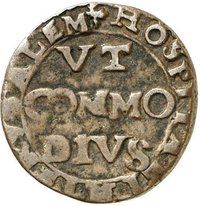
Reverse
Edge
Mintings
| Year | Mint Mark | Mintage | Quality | Collection |
|---|---|---|---|---|
| — | — | — |
Historical background
In 1623, Malta's currency situation was a complex reflection of its strategic position as a bustling, fortified hub of the Mediterranean under the rule of the Knights of Saint John. The island's economy was driven by corsairing, trade, and the constant flow of pilgrims and sailors, which brought a multitude of foreign coins into circulation. The most dominant and trusted of these was the Spanish piece of eight (real de a ocho), a silver coin that served as the de facto international currency of the time. Alongside it, a chaotic mix of Venetian ducats, Neapolitan and Sicilian coins, Turkish asper, and other European currencies circulated, their values fluctuating based on metal content and mercantile demand.
This monetary plurality created significant challenges for daily commerce and administration. The Knights' treasury, responsible for the island's formidable defences and public works, struggled with the accounting complexities and the risk of debased or counterfeit coins. While the Order officially valued coins in terms of the Maltese scudo, this was largely a unit of account rather than a commonly minted physical coin. The actual physical currency in people's pockets was overwhelmingly foreign, leading to frequent official proclamations that attempted to fix exchange rates and ban specific debased coins, particularly low-quality copper issues from Sicily and Naples, which often flooded the market.
Ultimately, the monetary landscape of 1623 Malta was one of imposed pragmatism rather than sovereign control. The Knights lacked the resources or perhaps the imperative to establish a comprehensive, unified coinage system that could replace the international currencies upon which their maritime economy depended. Therefore, the situation remained characterised by a fragile order maintained through periodic edicts, with the real power residing in the weight and purity of foreign silver, especially the ubiquitous Spanish piece of eight, which oiled the wheels of both grand commerce and everyday transactions on the island.
This monetary plurality created significant challenges for daily commerce and administration. The Knights' treasury, responsible for the island's formidable defences and public works, struggled with the accounting complexities and the risk of debased or counterfeit coins. While the Order officially valued coins in terms of the Maltese scudo, this was largely a unit of account rather than a commonly minted physical coin. The actual physical currency in people's pockets was overwhelmingly foreign, leading to frequent official proclamations that attempted to fix exchange rates and ban specific debased coins, particularly low-quality copper issues from Sicily and Naples, which often flooded the market.
Ultimately, the monetary landscape of 1623 Malta was one of imposed pragmatism rather than sovereign control. The Knights lacked the resources or perhaps the imperative to establish a comprehensive, unified coinage system that could replace the international currencies upon which their maritime economy depended. Therefore, the situation remained characterised by a fragile order maintained through periodic edicts, with the real power residing in the weight and purity of foreign silver, especially the ubiquitous Spanish piece of eight, which oiled the wheels of both grand commerce and everyday transactions on the island.
Series: 1623 Malta circulation coins
✨ Legendary