

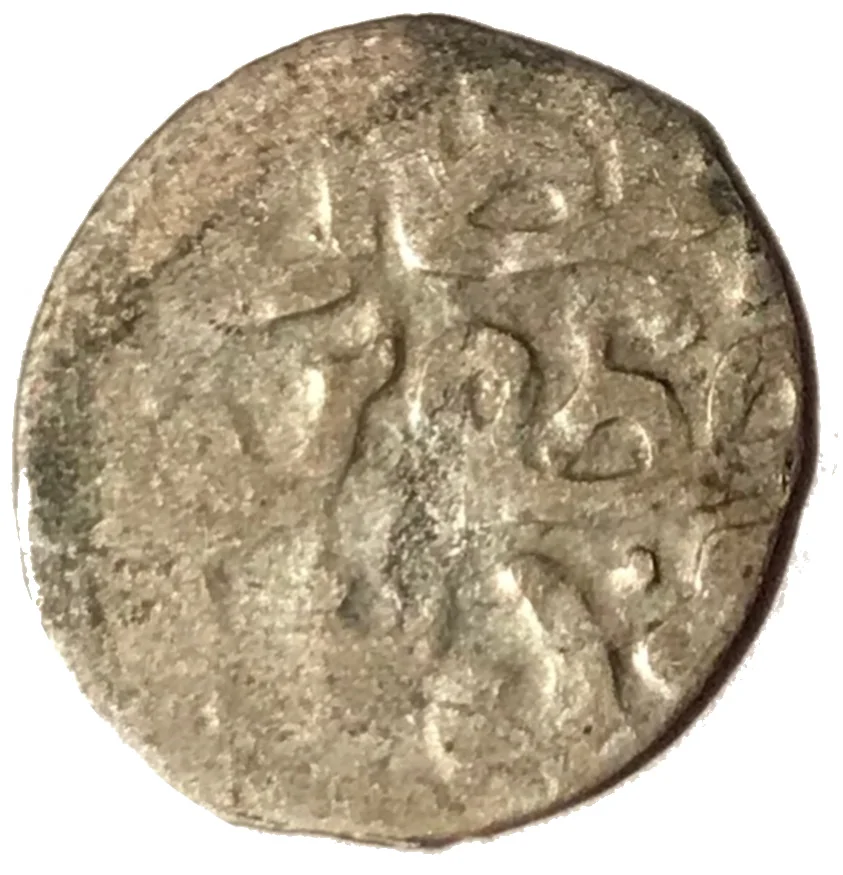
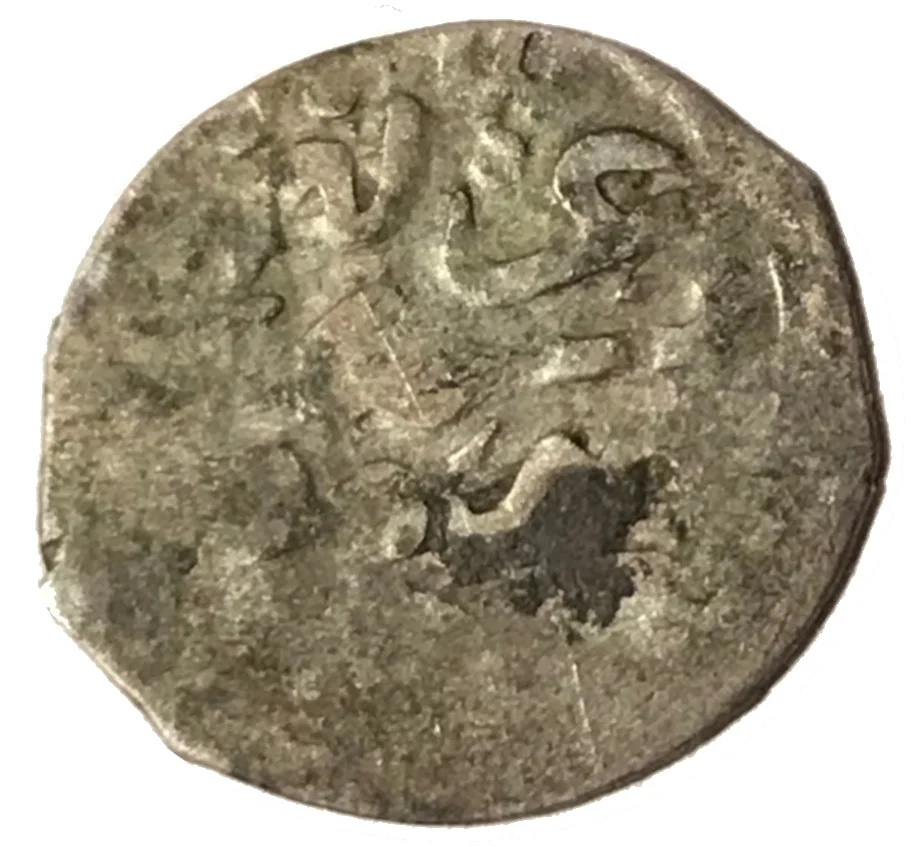
1 Maydin – Ottoman Empire
Turkey
Context
Year: 1695
Islamic (Hijri) Year: 1106
Country: Turkey 
Issuer: Ottoman Empire
Ruler: Mustafa II
Currency:
(1688—1844)
Demonetized: Yes
Material
References
KM: #Click to copy to clipboard60
Numista: #291320
Value
Bullion value: $1.85
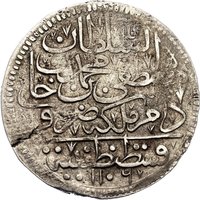
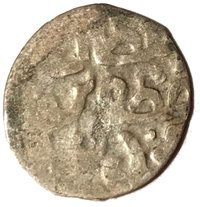
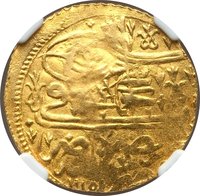
Obverse
Inscription:
سلطان
مصطفى بن
محمد خان
مصطفى بن
محمد خان
Script: Arabic
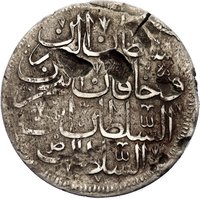
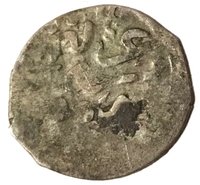
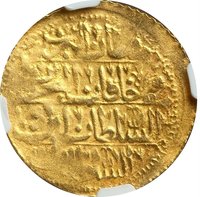
Reverse
Inscription:
عز نصره
ضرب مصر
سنه ١١٠٦
ضرب مصر
سنه ١١٠٦
Script: Arabic
Edge
Mintings
| Year | Mint Mark | Mintage | Quality | Collection |
|---|---|---|---|---|
| 1695 | — | — |
Historical background
By 1695, the Ottoman Empire was grappling with a severe and protracted currency crisis, a direct symptom of its deepening financial and military strains. The empire was embroiled in the long and costly War of the Holy League (1683-1699), fighting a multi-front conflict against a coalition including Austria, Poland, Venice, and Russia. To finance this existential struggle, the imperial treasury in Constantinople had resorted to repeated debasements of the primary silver coin, the akçe. Over the preceding decades, the silver content of the akçe had been drastically reduced, leading to rampant inflation, a loss of public confidence in the coinage, and severe disruption to both state finances and the market economy.
The monetary system had effectively become bimetallic, though unofficially and chaotically. While the debased akçe remained the official unit of account, large transactions and international trade increasingly relied on the gold sultani (also known as the altın) and various heavy silver foreign coins, particularly the Spanish real of eight (the "piece of eight") and the Dutch leeuwendaalder. These foreign coins, valued for their consistent weight and purity, circulated freely within the empire, often at a premium, further highlighting the weakness of the domestic currency. This created a complex and unstable environment where exchange rates fluctuated wildly, harming salary-earners like soldiers and bureaucrats paid in devalued akçe.
Sultan Mustafa II, who ascended the throne in 1695, inherited this dire situation. Recognizing that the currency crisis was undermining the war effort and state stability, his government attempted a significant reform that very year. The authorities introduced a new, higher-value silver coin called the kuruş (or piastre), intended to be worth 120 akçe and to restore confidence by having a fixed, reliable silver content. This move marked a pivotal attempt to stabilize the Ottoman monetary system, but its initial success was limited by the ongoing financial pressures of the war, which continued to tempt the state toward further debasement, perpetuating the cycle of inflation and economic uncertainty.
The monetary system had effectively become bimetallic, though unofficially and chaotically. While the debased akçe remained the official unit of account, large transactions and international trade increasingly relied on the gold sultani (also known as the altın) and various heavy silver foreign coins, particularly the Spanish real of eight (the "piece of eight") and the Dutch leeuwendaalder. These foreign coins, valued for their consistent weight and purity, circulated freely within the empire, often at a premium, further highlighting the weakness of the domestic currency. This created a complex and unstable environment where exchange rates fluctuated wildly, harming salary-earners like soldiers and bureaucrats paid in devalued akçe.
Sultan Mustafa II, who ascended the throne in 1695, inherited this dire situation. Recognizing that the currency crisis was undermining the war effort and state stability, his government attempted a significant reform that very year. The authorities introduced a new, higher-value silver coin called the kuruş (or piastre), intended to be worth 120 akçe and to restore confidence by having a fixed, reliable silver content. This move marked a pivotal attempt to stabilize the Ottoman monetary system, but its initial success was limited by the ongoing financial pressures of the war, which continued to tempt the state toward further debasement, perpetuating the cycle of inflation and economic uncertainty.
✨ Legendary