

8 escudos – New Spain
Add to wishlist
Mexico
Context
Years: 1772–1785
Country: Mexico
Issuer: New Spain
Ruler: Charles III
Currency:
(1535—1897)
Demonetized: Yes
Material
References
KM: #
Numista: #28697
Value
Bullion value: $3737.14
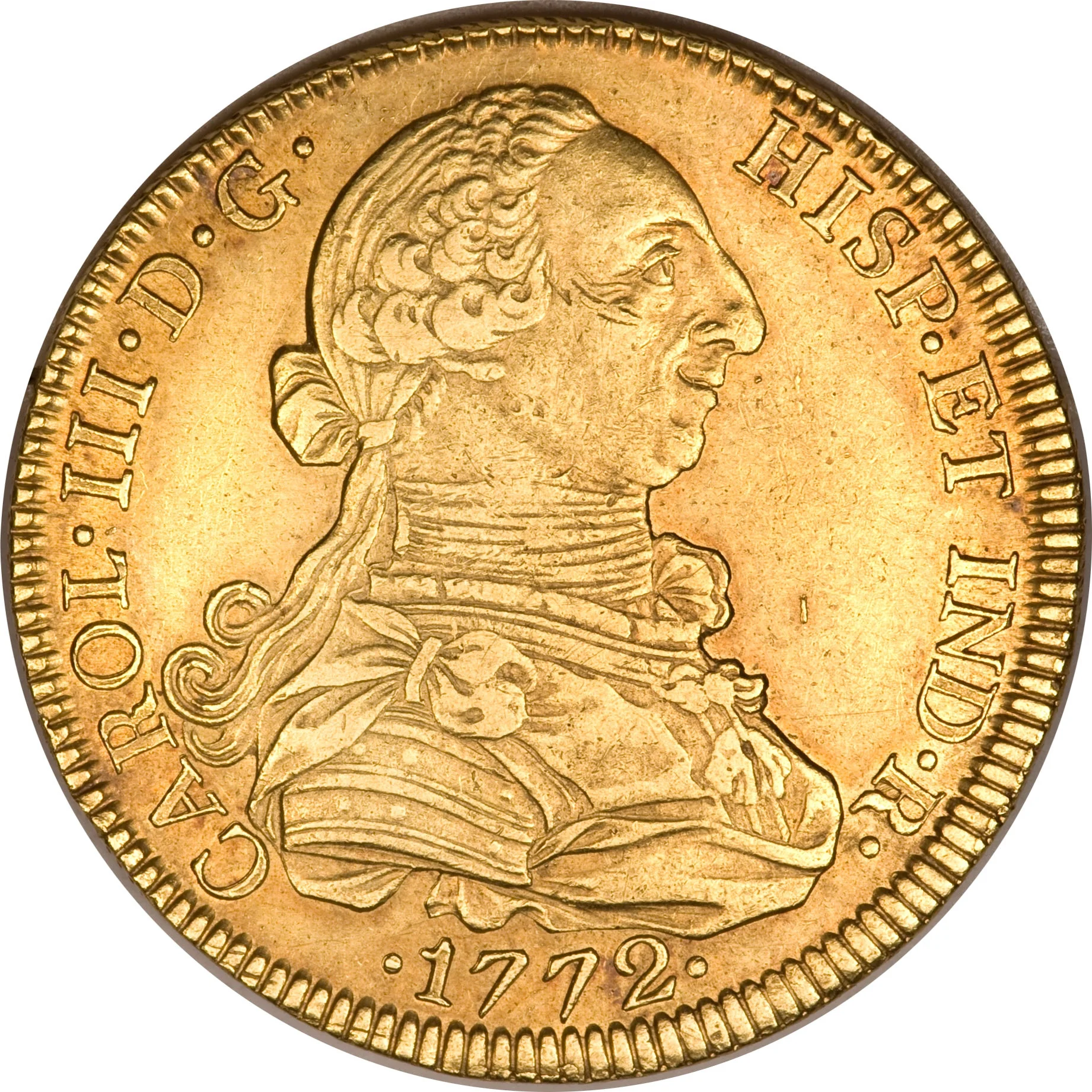
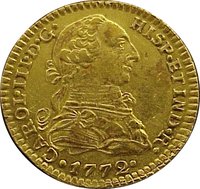
Obverse
Description:
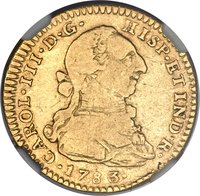
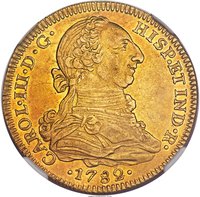
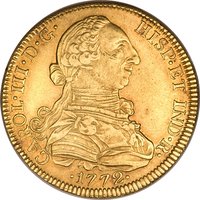
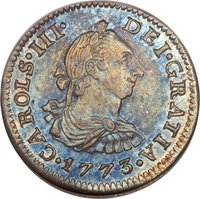
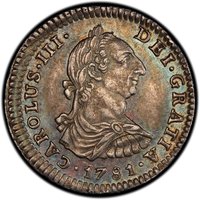
Armored bust facing right.
Inscription:
CAROL•III•D•G•
HISP•ET IND•R•
•1772•
HISP•ET IND•R•
•1772•
Script: Latin
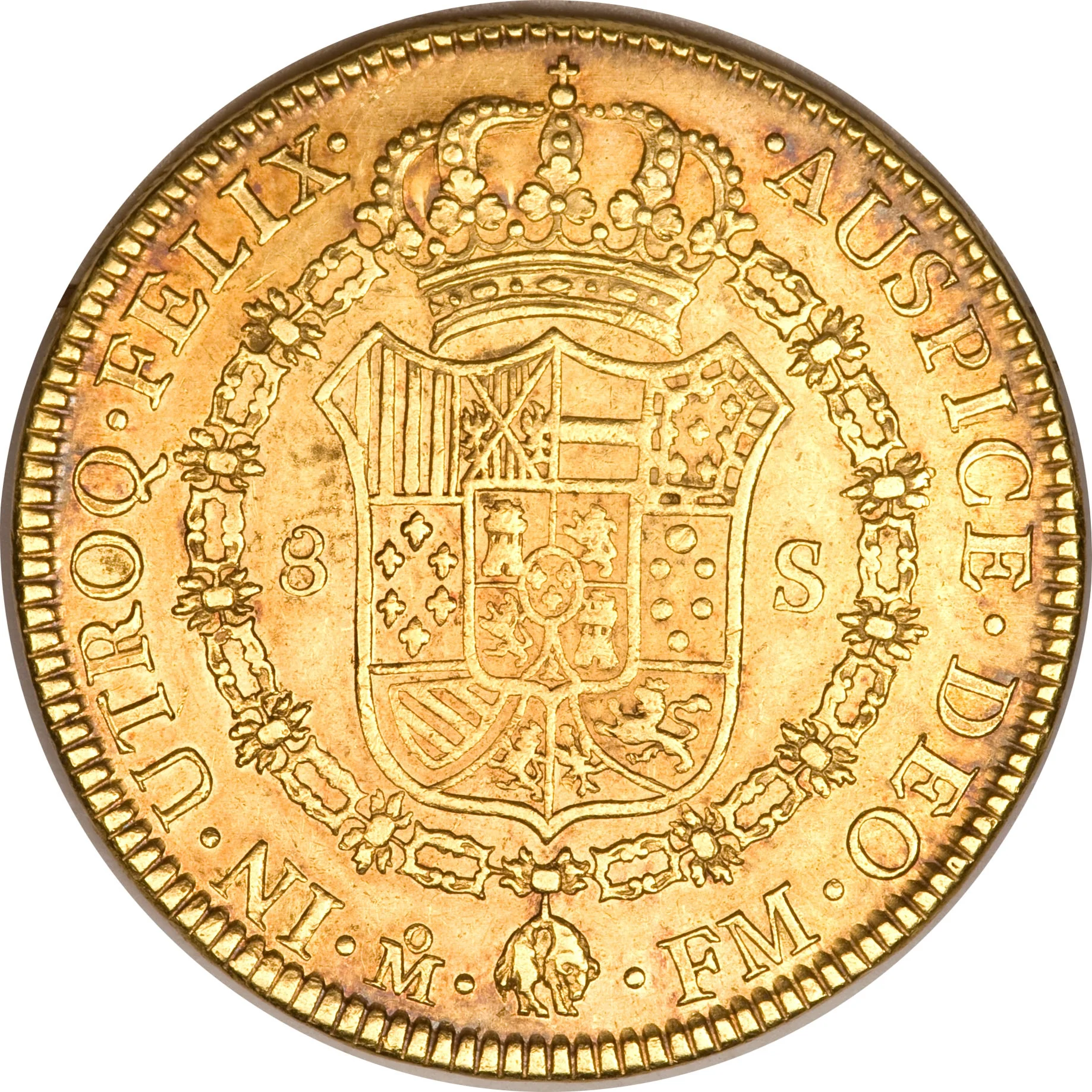
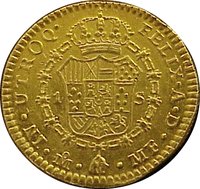
Reverse
Description:
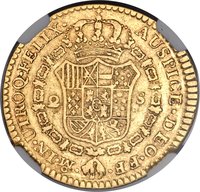
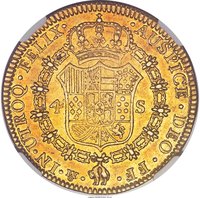
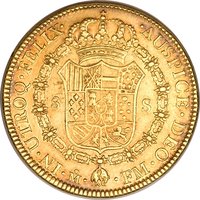
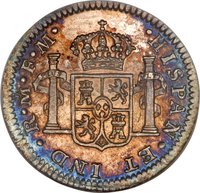
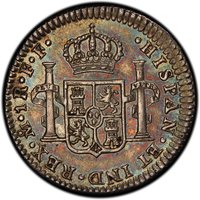
Spain's coat of arms within a chain, encircled by a legend.
Inscription:
IN•UTROQ•FELIX•
•AUSPICE•DEO•
•Mo• •FM•
•AUSPICE•DEO•
•Mo• •FM•
Script: Latin
Edge
Mints
| Name | Mark |
|---|---|
| Mexican Mint | (Mo) |
Mintings
| Year | Mint Mark | Mintage | Quality | Collection |
|---|---|---|---|---|
| 1772 | FM | — | ||
| 1773 | FM | — | ||
| 1774 | FM | — | ||
| 1775 | FM | — | ||
| 1776 | FM | — | ||
| 1777 | FM | — | ||
| 1778 | FF | — | ||
| 1779 | FF | — | ||
| 1780 | FF | — | ||
| 1781 | FF | — | ||
| 1782 | FF | — | ||
| 1783 | FF | — | ||
| 1784 | FM | — | ||
| 1785 | FM | — |
Historical background
In 1772, the currency system of New Spain, centered in modern-day Mexico, was a complex and strained apparatus vital to the Spanish Empire. The colony was the world's largest silver producer, with coins minted at the Mexico City mint serving as the de facto global currency. However, the system was plagued by a severe shortage of small-denomination coins for daily transactions. The primary circulating coins were silver reales and gold escudos, but their high value made everyday commerce difficult, leading to widespread use of makeshift tokens, clipped coins, and private IOUs, which created confusion and frequent fraud.
This "small change famine" was exacerbated by structural economic policies. Bourbon reforms aimed at tightening imperial control and increasing revenue led to heavier taxation and the forced remittance of vast quantities of silver to Spain, draining coinage from local circulation. Furthermore, a significant portion of silver was illegally exported via contraband trade or siphoned eastward to finance the Manila Galleon's trade with Asia. The result was a paradoxical economy: incredibly wealthy in bullion terms yet chronically short of the physical currency needed for its internal market, stifling local trade and causing public discontent.
Recognizing the crisis, royal authorities were in the process of implementing a major reform. In 1728, the crown had already authorized the minting of low-denomination copper coins (tlacos or clacos), but these were largely minted privately by merchants and churches, further undermining trust. The official response culminated in the royal decree of 1772, which ordered the minting of new, royal copper currency to standardize small change and drive out the fraudulent tokens. This reform, however, was met with deep public suspicion, as copper coinage was historically associated with inflation and devaluation, setting the stage for significant economic and social tension in the following years.
This "small change famine" was exacerbated by structural economic policies. Bourbon reforms aimed at tightening imperial control and increasing revenue led to heavier taxation and the forced remittance of vast quantities of silver to Spain, draining coinage from local circulation. Furthermore, a significant portion of silver was illegally exported via contraband trade or siphoned eastward to finance the Manila Galleon's trade with Asia. The result was a paradoxical economy: incredibly wealthy in bullion terms yet chronically short of the physical currency needed for its internal market, stifling local trade and causing public discontent.
Recognizing the crisis, royal authorities were in the process of implementing a major reform. In 1728, the crown had already authorized the minting of low-denomination copper coins (tlacos or clacos), but these were largely minted privately by merchants and churches, further undermining trust. The official response culminated in the royal decree of 1772, which ordered the minting of new, royal copper currency to standardize small change and drive out the fraudulent tokens. This reform, however, was met with deep public suspicion, as copper coinage was historically associated with inflation and devaluation, setting the stage for significant economic and social tension in the following years.
Series: 1772 New Spain circulation coins
💎 Extremely Rare