

1 Escudo – New Spain
Mexico
Context
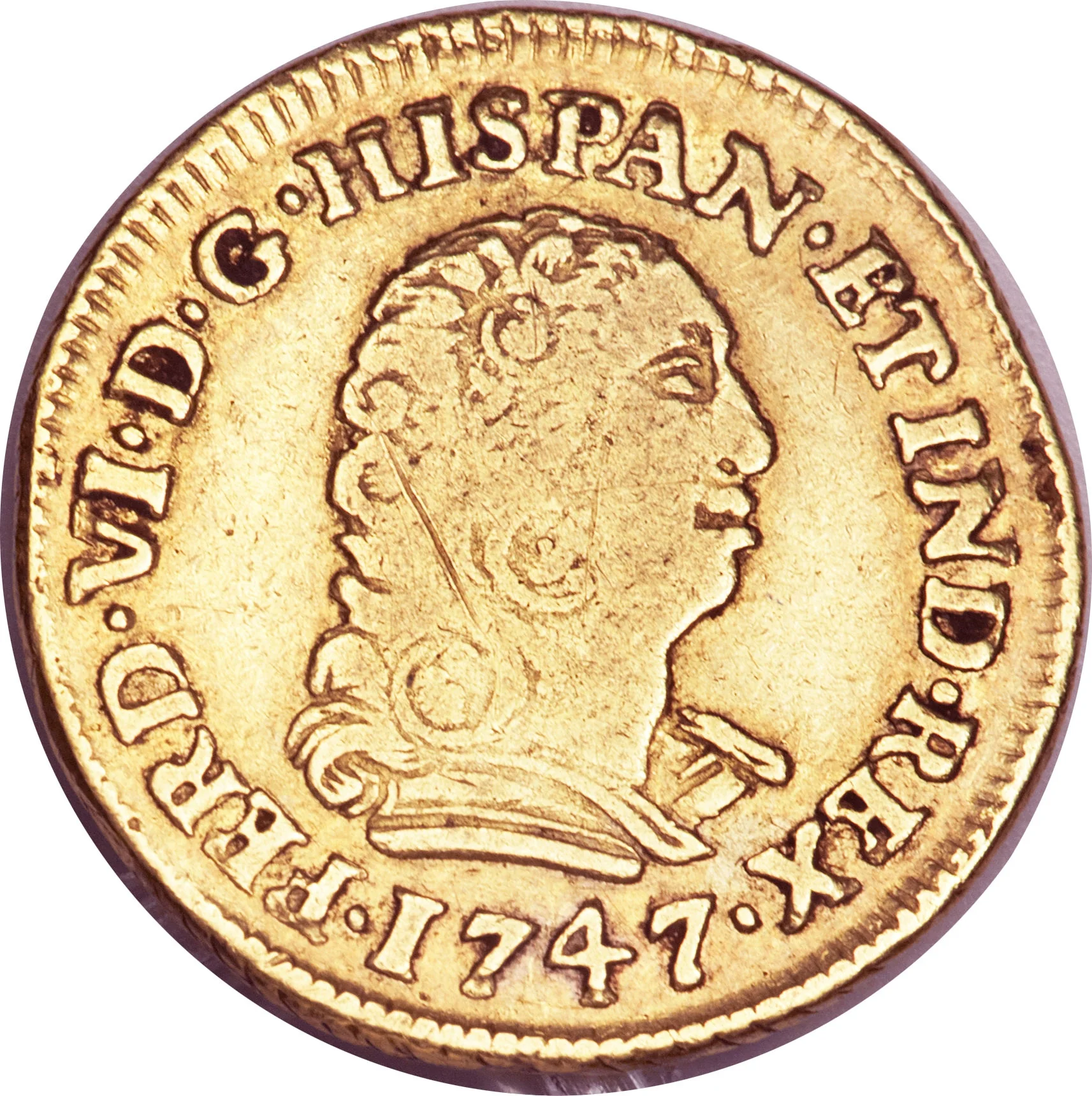
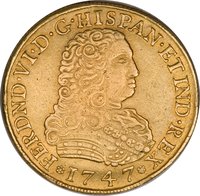
Year: 1747
Country: Mexico 
Issuer: New Spain
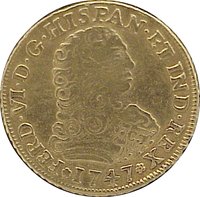
Ruler: Ferdinand VI
Currency:
(1535—1897)
Demonetized: Yes
Material
References
KM: #Click to copy to clipboard114
Numista: #28691
Value
Bullion value: $517.72
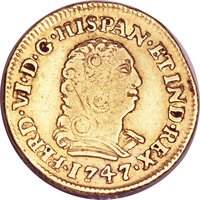
Obverse
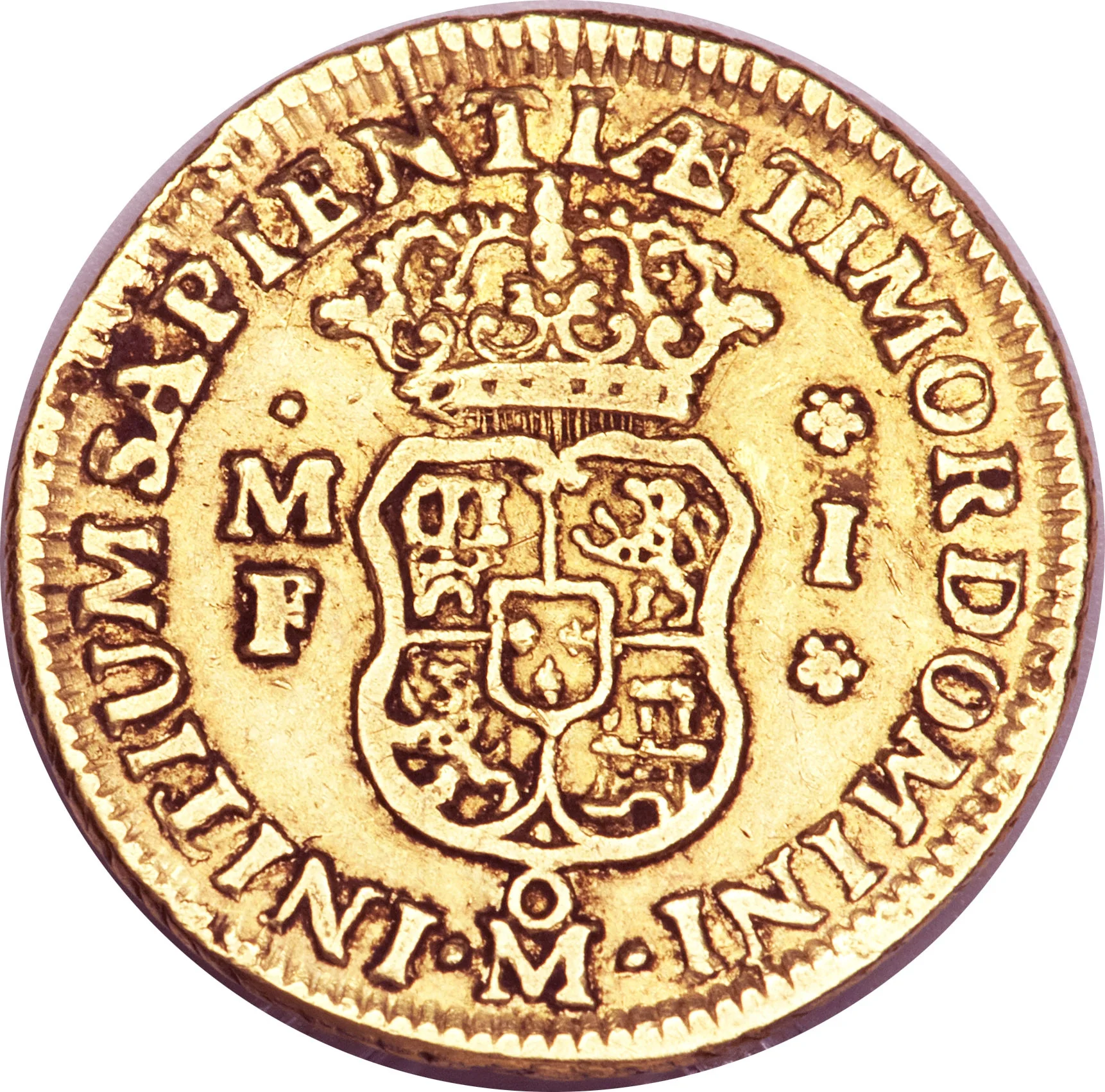
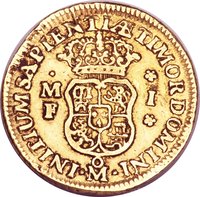
Reverse
Description:
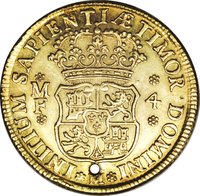
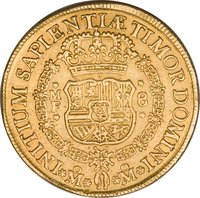
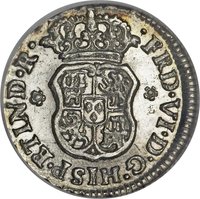
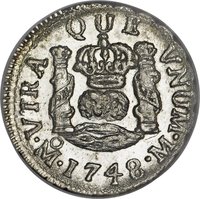
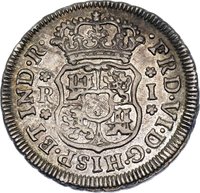
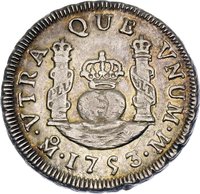
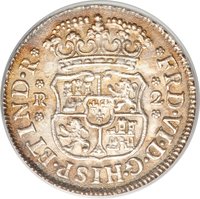
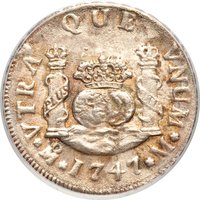
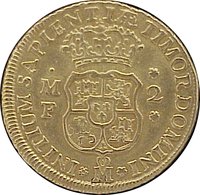
Shield with crown, initials, value, and surrounding legend.
Inscription:
INITIUM SAPIENTIÆ TIMOR DOMINI
MF *1*
•Mo•
MF *1*
•Mo•
Script: Latin
Edge
Mintings
| Year | Mint Mark | Mintage | Quality | Collection |
|---|---|---|---|---|
| 1747 | MF | — |
Historical background
In 1747, the currency system of New Spain, centered in modern-day Mexico, was a complex and often strained amalgam of official royal coinage and a pervasive shortage of small-denomination money. The backbone of the economy was the silver peso, minted at the famed Casa de Moneda in Mexico City, which had operated since 1535. These coins, particularly the legendary "pieces of eight," were of such high and reliable silver content that they served as a de facto global currency, fueling trade across the Spanish Empire, Asia, and Europe. However, this very success created a paradox: vast quantities of silver were exported to Spain or sent eastward via the Manila Galleon, chronically draining the colony of its own circulating medium.
The acute shortage of fractional currency for everyday transactions led to widespread use of improvised and unofficial substitutes. The most common was tlacos, small tokens or promissory notes issued by merchants, hacienda owners, and even churches. These were essentially private credit instruments, redeemable only at the business of the issuer, creating fragmented and unreliable local economies. Additionally, worn or cut cobs (crudely struck early coins) remained in circulation at discounted values. This chaotic system was prone to fraud and abuse, placing ordinary people at a disadvantage and hindering internal commerce, as the Crown struggled to produce enough official moneda menuda (small change) to meet demand.
The royal authorities viewed this situation with concern, as it undermined economic control and tax collection. While the 1728 introduction of modern, machine-struck pillar coins had improved the quality of higher denominations, the small-change problem persisted. In 1747, the monarchy was likely considering reforms, though a definitive solution was still decades away. The currency landscape was thus one of imperial wealth juxtaposed with local scarcity, a testament to the extractive nature of the colonial economy where the mother priority was the flow of bullion to Spain, often at the expense of a efficient and equitable monetary system within New Spain itself.
The acute shortage of fractional currency for everyday transactions led to widespread use of improvised and unofficial substitutes. The most common was tlacos, small tokens or promissory notes issued by merchants, hacienda owners, and even churches. These were essentially private credit instruments, redeemable only at the business of the issuer, creating fragmented and unreliable local economies. Additionally, worn or cut cobs (crudely struck early coins) remained in circulation at discounted values. This chaotic system was prone to fraud and abuse, placing ordinary people at a disadvantage and hindering internal commerce, as the Crown struggled to produce enough official moneda menuda (small change) to meet demand.
The royal authorities viewed this situation with concern, as it undermined economic control and tax collection. While the 1728 introduction of modern, machine-struck pillar coins had improved the quality of higher denominations, the small-change problem persisted. In 1747, the monarchy was likely considering reforms, though a definitive solution was still decades away. The currency landscape was thus one of imperial wealth juxtaposed with local scarcity, a testament to the extractive nature of the colonial economy where the mother priority was the flow of bullion to Spain, often at the expense of a efficient and equitable monetary system within New Spain itself.
Series: 1747 New Spain circulation coins
✨ Legendary