

5 grani – Malta
Add to wishlist
Malta
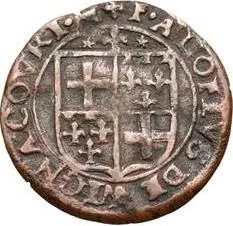
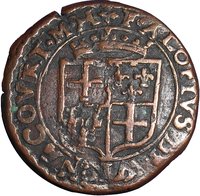
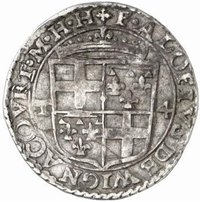
Obverse
Description:
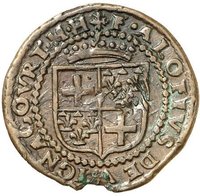
Fleur-de-lis between stars above Wignacourt's arms.
Inscription:
☩ F · ALOFIVS DE WIGNACOVRT · M
Script: Latin
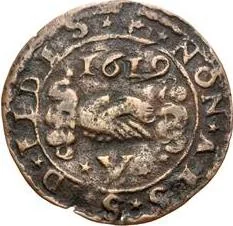
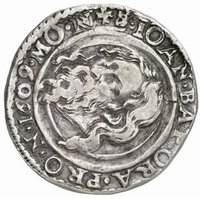
Reverse
Description:
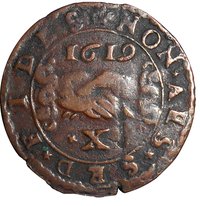
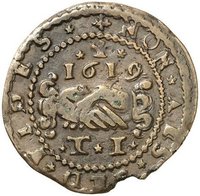
Clasped hands, date above, value below.
Inscription:
★ NON ★ AES ★ SED ★ FIDES ★
Script: Latin
Edge
Categories
| Symbol> Fleur-de-lis |
Mintings
| Year | Mint Mark | Mintage | Quality | Collection |
|---|---|---|---|---|
| 1619 | — | — |
Historical background
In 1619, Malta's currency situation was a complex and problematic reflection of its strategic position and economic reality. The islands, ruled by the Knights of St. John, operated within a fragmented monetary system dominated by foreign coinage. The most important unit was the scudo, a large silver coin of Italian origin, but daily transactions were conducted using a bewildering array of Spanish reales, Ottoman piastres, French écus, and Sicilian tari and grani. This proliferation of coins of varying weights and metallic purity created chronic confusion, facilitated fraud, and hindered commerce.
The core of the problem was a severe shortage of official Maltese coinage. The Knights minted their own copper grani and silver tari at the Zecca (mint) in Valletta, but these were insufficient for the economy's needs and often heavily debased. Consequently, much of the circulating medium consisted of worn, clipped, or counterfeit foreign coins, leading to frequent disputes over exchange rates and real value. The situation was exacerbated by the Knights' own financial pressures, as they often resorted to debasing their coinage to fund fortification projects and naval campaigns against the Ottoman Empire.
Recognizing the economic damage, Grandmaster Alof de Wignacourt initiated a significant monetary reform in 1619. This reform aimed to stabilize the system by introducing new, high-quality silver scudi and tari bearing the Order's cross, intended to drive out inferior foreign money. While a step toward sovereignty and order, the reform's long-term success was limited. The intrinsic pull of regional trade meant foreign coins, particularly Spanish silver from the Americas, continued to circulate, ensuring Malta's monetary landscape remained internationally entangled and locally challenging for decades to come.
The core of the problem was a severe shortage of official Maltese coinage. The Knights minted their own copper grani and silver tari at the Zecca (mint) in Valletta, but these were insufficient for the economy's needs and often heavily debased. Consequently, much of the circulating medium consisted of worn, clipped, or counterfeit foreign coins, leading to frequent disputes over exchange rates and real value. The situation was exacerbated by the Knights' own financial pressures, as they often resorted to debasing their coinage to fund fortification projects and naval campaigns against the Ottoman Empire.
Recognizing the economic damage, Grandmaster Alof de Wignacourt initiated a significant monetary reform in 1619. This reform aimed to stabilize the system by introducing new, high-quality silver scudi and tari bearing the Order's cross, intended to drive out inferior foreign money. While a step toward sovereignty and order, the reform's long-term success was limited. The intrinsic pull of regional trade meant foreign coins, particularly Spanish silver from the Americas, continued to circulate, ensuring Malta's monetary landscape remained internationally entangled and locally challenging for decades to come.
✨ Legendary