

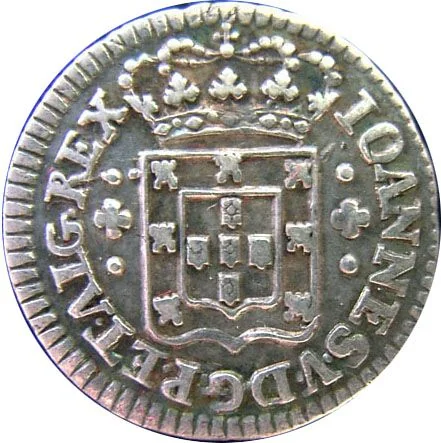

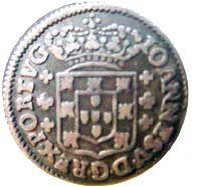
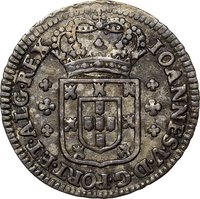
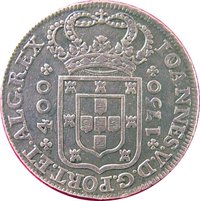
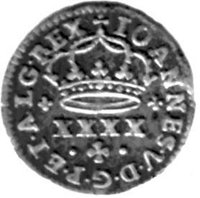
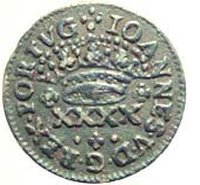
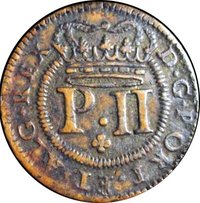
Obverse
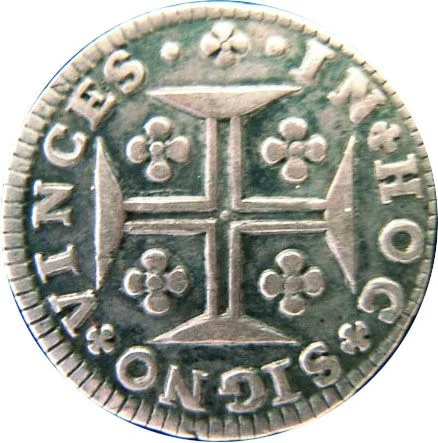
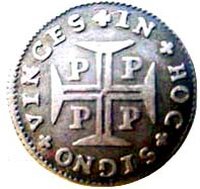
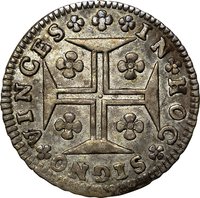
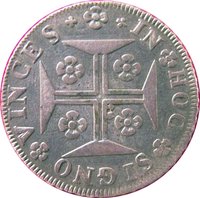
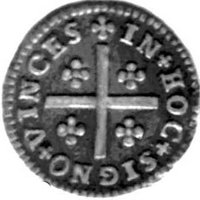
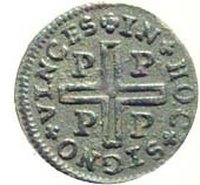
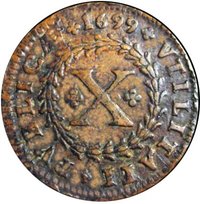
Reverse
Edge
Rope shaped
Mints
| Name | Mark |
|---|---|
| Imprensa Nacional - Casa da Moeda | — |
Mintings
| Year | Mint Mark | Mintage | Quality | Collection |
|---|---|---|---|---|
| — | — | — |
Historical background
In 1706, Portugal's currency situation was defined by the widespread circulation of Brazilian gold, which was beginning to transform the kingdom's economy but had not yet resolved its underlying monetary instability. The discovery of vast gold deposits in Brazil, particularly in Minas Gerais from the 1690s onward, meant that significant quantities of raw gold were arriving in Lisbon. However, this influx was still in its early, turbulent phase, leading to a disjointed monetary system where newly minted gold coins, older silver cruzados, and low-quality copper réis all circulated simultaneously, often with fluctuating and unofficial exchange rates.
The state's response, under King Peter II, was an ongoing effort to assert control and standardize the coinage. The Lisbon Mint (Casa da Moeda) was actively engaged in striking new gold coins, most notably the moeda of 12,800 réis, to absorb the Brazilian bullion and establish a reliable gold standard. Despite these efforts, the system remained strained. A chronic shortage of small-denomination coinage for everyday transactions plagued the economy, leading to the continued use of cut and worn foreign coins, particularly Spanish silver, and the persistent issuance of emergency copper currency, which was prone to debasement and counterfeiting.
Furthermore, this monetary landscape was set against the backdrop of the War of the Spanish Succession (1701-1714), in which Portugal was a key participant. The financial demands of the war placed heavy pressure on the royal treasury, creating a temptation to manipulate the coinage for seigniorage profit. Therefore, while 1706 represents a pivotal moment of transition toward the golden age of Portuguese prosperity fueled by Brazilian wealth, the immediate reality was a complex and often chaotic currency system caught between the promise of immense new resources and the pressing fiscal and practical challenges of war and economic management.
The state's response, under King Peter II, was an ongoing effort to assert control and standardize the coinage. The Lisbon Mint (Casa da Moeda) was actively engaged in striking new gold coins, most notably the moeda of 12,800 réis, to absorb the Brazilian bullion and establish a reliable gold standard. Despite these efforts, the system remained strained. A chronic shortage of small-denomination coinage for everyday transactions plagued the economy, leading to the continued use of cut and worn foreign coins, particularly Spanish silver, and the persistent issuance of emergency copper currency, which was prone to debasement and counterfeiting.
Furthermore, this monetary landscape was set against the backdrop of the War of the Spanish Succession (1701-1714), in which Portugal was a key participant. The financial demands of the war placed heavy pressure on the royal treasury, creating a temptation to manipulate the coinage for seigniorage profit. Therefore, while 1706 represents a pivotal moment of transition toward the golden age of Portuguese prosperity fueled by Brazilian wealth, the immediate reality was a complex and often chaotic currency system caught between the promise of immense new resources and the pressing fiscal and practical challenges of war and economic management.
Series: 1706 Portugal circulation coins
⭐ Somewhat Rare