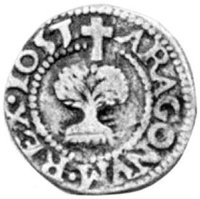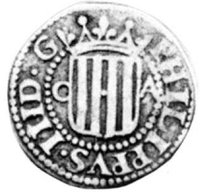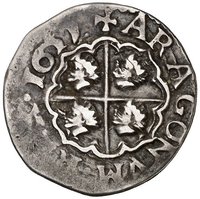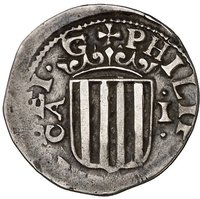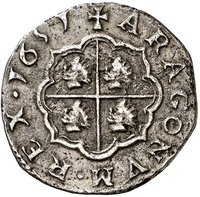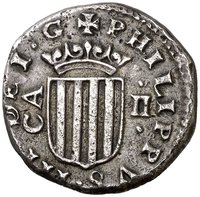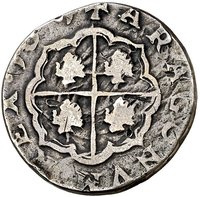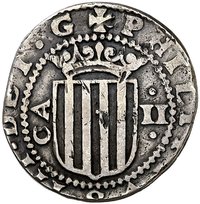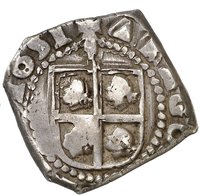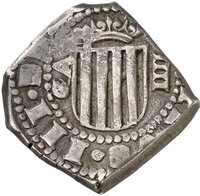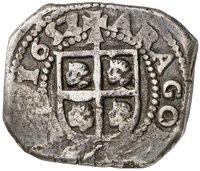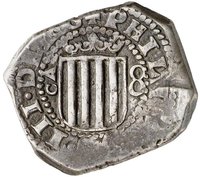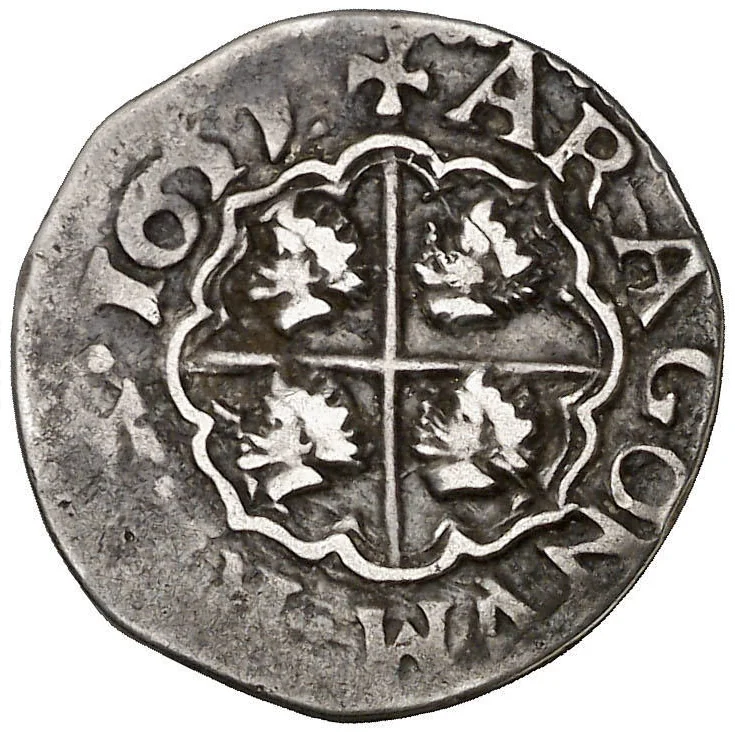
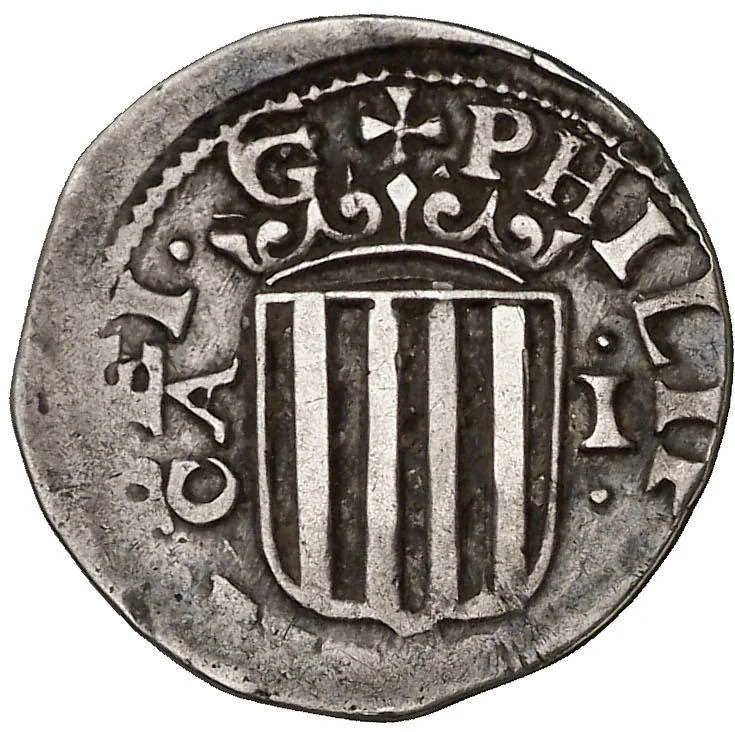
In 1651, the Kingdom of Aragon, while united under the Spanish Crown with Castile, maintained its own distinct monetary system, a right preserved since its medieval
fueros (charters). The primary circulating coin was the
libra jaquesa, a money of account divided into 20
sueldos, each of 12
dineros. However, the physical currency in daily use was a complex mix of silver
reales and copper
vellón coins from both the Aragonese mints (like those in Zaragoza) and a significant influx of Castilian currency. This duality created persistent economic friction, as the values and exchange rates between the two systems were a constant source of dispute and manipulation.
The period was one of severe monetary instability across the entire Spanish monarchy, deeply affecting Aragon. The Crown, embroiled in the Franco-Spanish War and numerous other conflicts, was resorting to repeated debasements of the copper
vellón coinage in Castile to finance its deficits. While Aragon's laws provided some insulation, the flood of cheap Castilian copper into the kingdom drove good Aragonese and foreign silver coins out of circulation (Gresham's Law), causing rampant inflation, hoarding, and a crisis of confidence in the currency. Local prices and trade were disrupted, harming the Aragonese economy.
Furthermore, the year 1651 fell during the reign of Philip IV, whose powerful minister, Luis de Haro, was grappling with the Crown's bankruptcy. Pressure mounted to further integrate and tap the resources of the non-Castilian territories like Aragon. While a full monetary union with Castile was still decades away, the economic turmoil of 1651 highlighted the growing tension between Madrid's centralizing fiscal demands and Aragonese monetary autonomy. The currency situation was thus a microcosm of the larger struggle between the Habsburg crown's imperial needs and the traditional privileges of its constituent kingdoms.