

1 Crown – United Kingdom
United Kingdom
Context

Material
References
KM: #Click to copy to clipboard536
Numista: #27963
Value
Bullion value: $79.15
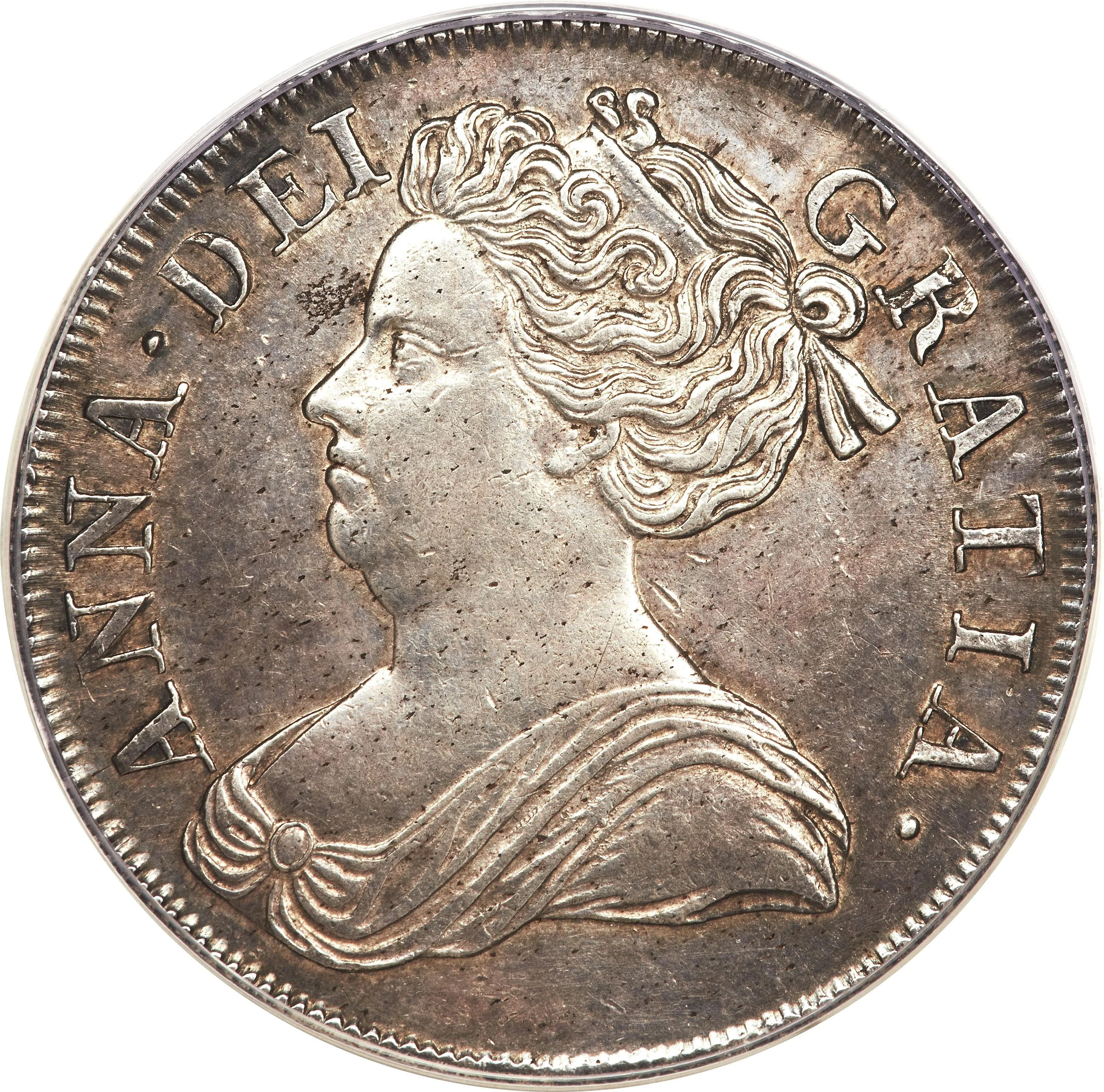
Obverse
Description:
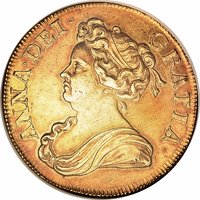
Queen Anne left, draped bust, legend around.
Inscription:
ANNA·DEI GRATIA·
Script: Latin
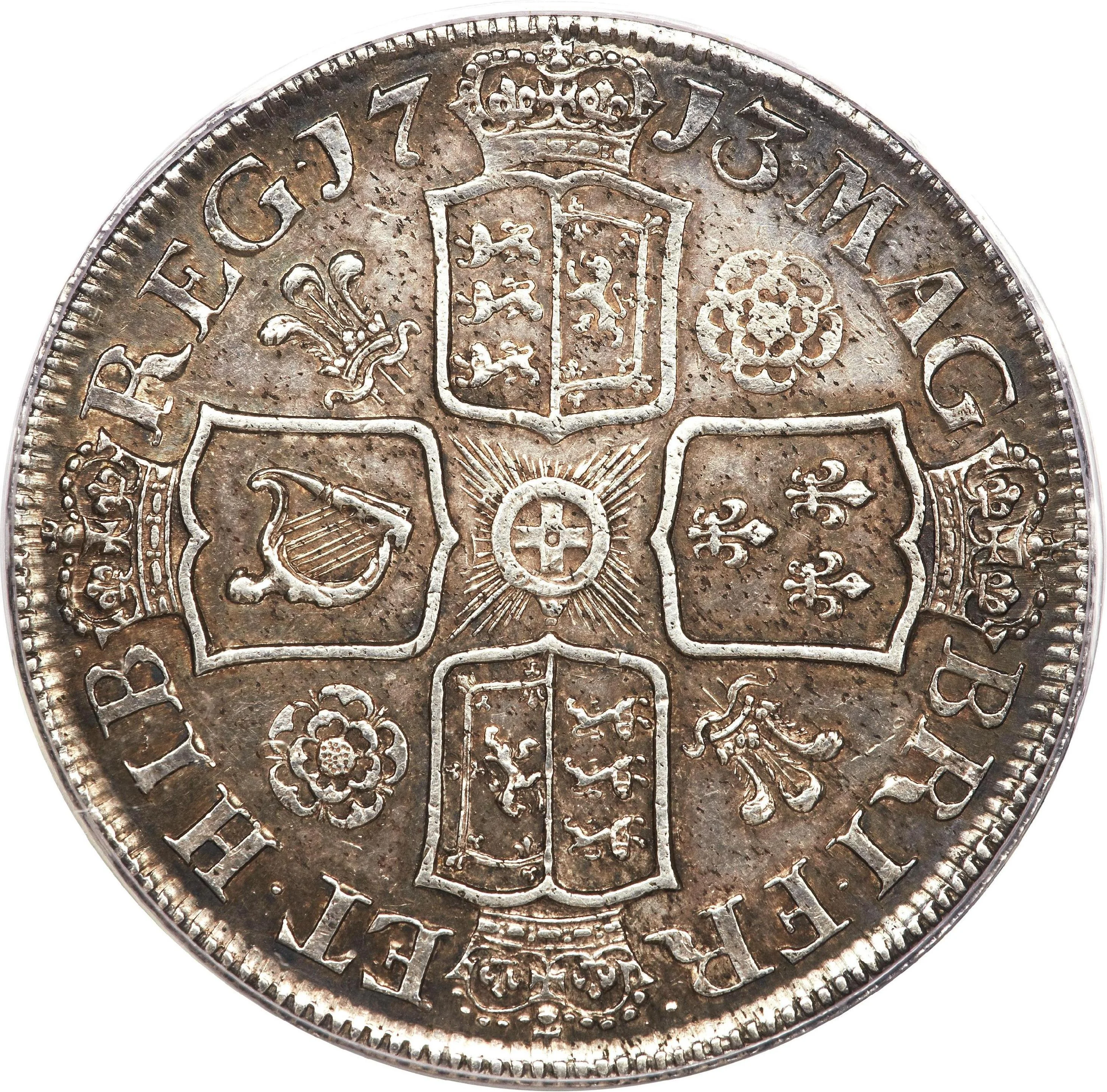
Reverse
Description:
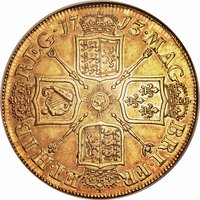
Crowned cruciform shields, central Garter star, roses and plumes in angles, date above, legend around.
Inscription:
MAG· BRI·FR ET·HIB REG·17 13·
Script: Latin
Edge
Regnal year in Latin
Legend:
DVODECIMO
Mintings
| Year | Mint Mark | Mintage | Quality | Collection |
|---|---|---|---|---|
| 1713 | — | — |
Historical background
In 1713, the United Kingdom’s currency system was in a state of significant strain and transition, rooted in the financial demands of the long War of the Spanish Succession (1701-1714). The conflict, fought on a global scale, had been funded through massive government borrowing and the creation of the national debt, largely managed by the new Bank of England (founded in 1694). While the Treaty of Utrecht was signed in 1713, ending the war, it did not resolve the immediate fiscal crisis. The state was deeply in debt, and the silver coinage in circulation was severely degraded due to decades of clipping, wear, and the melting down of full-weight coins for their bullion value, which was often higher than their face value.
The physical currency itself was unreliable. The principle that a coin’s value was derived from its precious metal content meant that underweight or damaged coins were discounted in trade, causing confusion and hindering commerce. Although the Great Recoinage of 1696 had attempted to replace all old hammered silver coins with new, milled-edge coins to prevent clipping, the process was costly and incomplete. By 1713, many of the new coins had again disappeared from circulation, hoarded or exported because the official mint price for silver was set below its market value. This led to a chronic shortage of sound specie, with a chaotic mix of foreign coins, bank tokens, and promissory notes attempting to fill the gap.
Consequently, the financial landscape was increasingly relying on paper instruments and credit. The Bank of England’s notes and the tallies of the Exchequer were becoming more central to high-value transactions and government finance. This period set the crucial precedent for the eventual move toward a gold standard, which would be formally established later in the century, and a fiduciary system where the value of money was increasingly separated from its metallic content. Thus, 1713 represents a pivotal moment where the pressures of war finance and a broken physical coinage system were accelerating the UK’s journey toward modern financial structures based on public credit and managed currency.
The physical currency itself was unreliable. The principle that a coin’s value was derived from its precious metal content meant that underweight or damaged coins were discounted in trade, causing confusion and hindering commerce. Although the Great Recoinage of 1696 had attempted to replace all old hammered silver coins with new, milled-edge coins to prevent clipping, the process was costly and incomplete. By 1713, many of the new coins had again disappeared from circulation, hoarded or exported because the official mint price for silver was set below its market value. This led to a chronic shortage of sound specie, with a chaotic mix of foreign coins, bank tokens, and promissory notes attempting to fill the gap.
Consequently, the financial landscape was increasingly relying on paper instruments and credit. The Bank of England’s notes and the tallies of the Exchequer were becoming more central to high-value transactions and government finance. This period set the crucial precedent for the eventual move toward a gold standard, which would be formally established later in the century, and a fiduciary system where the value of money was increasingly separated from its metallic content. Thus, 1713 represents a pivotal moment where the pressures of war finance and a broken physical coinage system were accelerating the UK’s journey toward modern financial structures based on public credit and managed currency.
💎 Extremely Rare