

3 pence – England
Add to wishlist
United Kingdom
Context
Years: 1698–1701
Country: United Kingdom
Issuer: England
Ruler: William III
Currency:
(1158—1970)
Demonetized: Yes
Material
References
KM: #
Numista: #27957
Value
Bullion value: $3.52
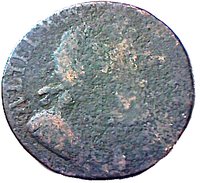
Obverse
Description:
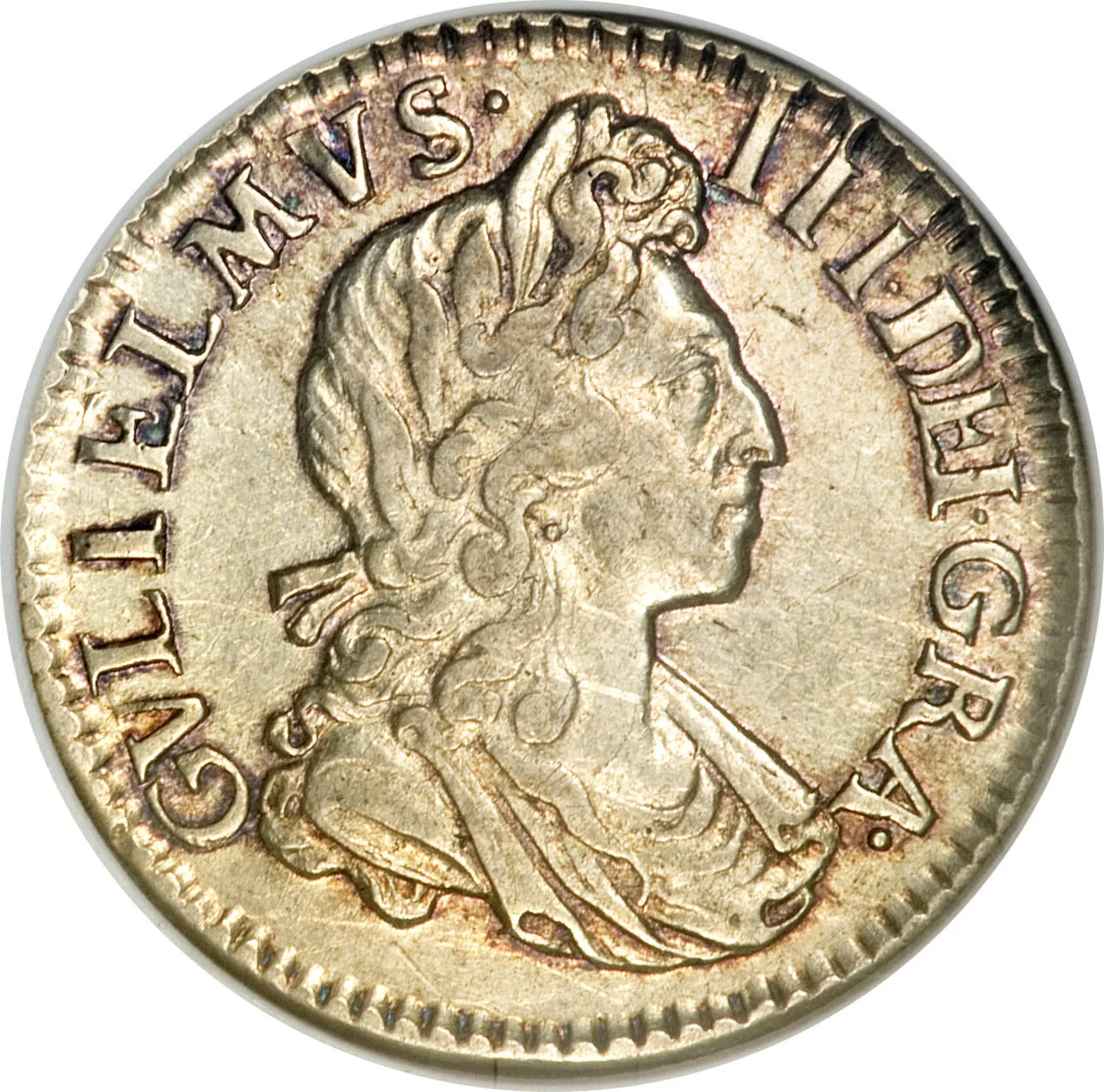
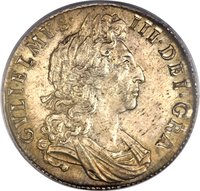
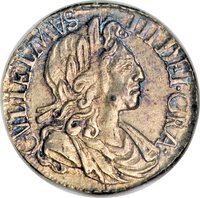
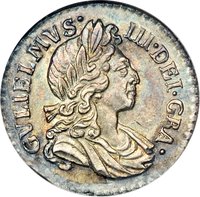
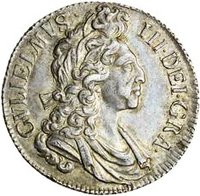
King William III laureate, draped bust, surrounded by legend.
Inscription:
GVLIELMVS· III·DEI·GRA·
Script: Latin
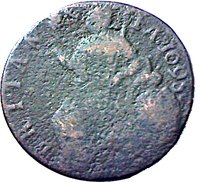
Reverse
Description:
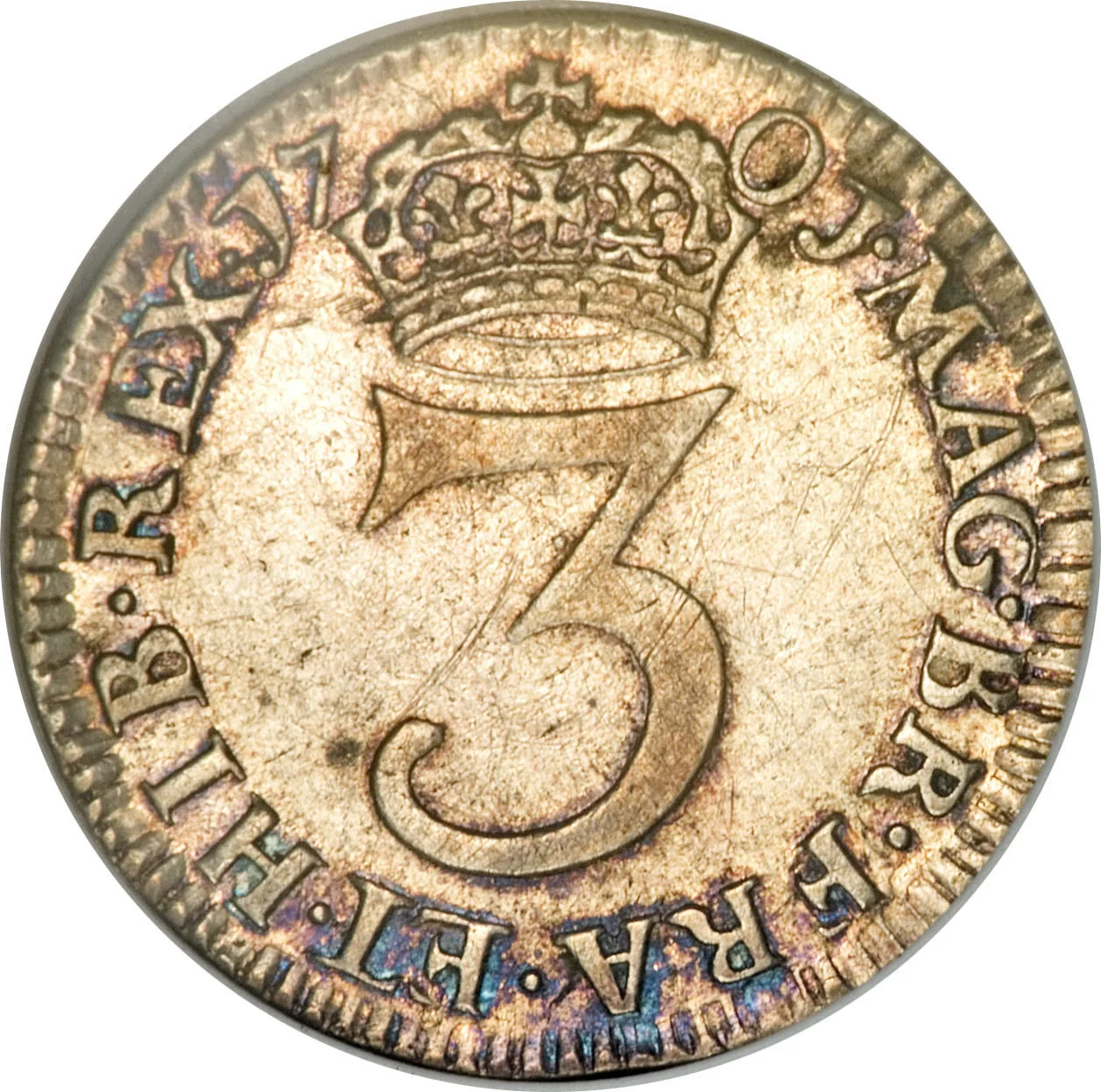
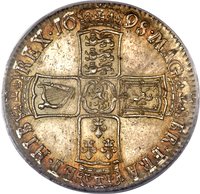
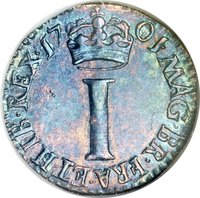
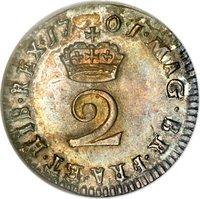
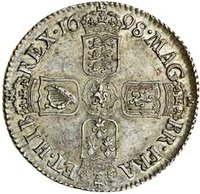
Central denomination below crown, date flanked by legend.
Inscription:
MAG·BRI·FR·ET·HIB·REX·17 01·
3
3
Script: Latin
Edge
Mintings
| Year | Mint Mark | Mintage | Quality | Collection |
|---|---|---|---|---|
| 1698 | — | — | ||
| 1699 | — | — | ||
| 1700 | — | — | ||
| 1701 | — | — |
Historical background
In 1698, England's currency situation was precarious and deeply intertwined with the nation's costly wars against France. The Nine Years' War (1688-1697) had been financed largely through borrowing, leading to a severe shortage of silver coin. This was exacerbated by the practice of "clipping" – shaving precious metal from the edges of coins – and the fact that English silver coins were undervalued compared to their bullion content, causing them to be melted down and exported. Consequently, the circulating coinage was in a wretched state: underweight, worn, and unreliable, which crippled everyday trade and undermined public confidence in the monetary system.
The government, under the guidance of figures like Isaac Newton (soon to become Warden of the Mint), was grappling with a fundamental decision: to simply recall and re-mint the old debased coinage at its current low weight, or to restore the silver currency to its full historic value. The Great Recoinage of 1696 had attempted the latter, but the process was slow and disruptive. By 1698, the recoinage was largely complete, but it had come at a tremendous fiscal cost to the Treasury and had failed to solve the underlying structural problem. The restored full-weight silver coins continued to disappear from circulation, as the official mint price for silver remained below the market price in Europe.
Therefore, 1698 represents a critical juncture where England was, in effect, being pushed unwillingly towards a gold standard. The guinea, a gold coin originally worth 20 shillings, was fluctuating wildly in value due to market demand, sometimes trading as high as 30 shillings. This instability was untenable. The period set the stage for Newton's seminal work at the Mint, which would ultimately lead to his 1717 report officially overvaluing gold in relation to silver, a de facto step that cemented gold as the principal measure of value and laid the foundation for the classical gold standard of the following century.
The government, under the guidance of figures like Isaac Newton (soon to become Warden of the Mint), was grappling with a fundamental decision: to simply recall and re-mint the old debased coinage at its current low weight, or to restore the silver currency to its full historic value. The Great Recoinage of 1696 had attempted the latter, but the process was slow and disruptive. By 1698, the recoinage was largely complete, but it had come at a tremendous fiscal cost to the Treasury and had failed to solve the underlying structural problem. The restored full-weight silver coins continued to disappear from circulation, as the official mint price for silver remained below the market price in Europe.
Therefore, 1698 represents a critical juncture where England was, in effect, being pushed unwillingly towards a gold standard. The guinea, a gold coin originally worth 20 shillings, was fluctuating wildly in value due to market demand, sometimes trading as high as 30 shillings. This instability was untenable. The period set the stage for Newton's seminal work at the Mint, which would ultimately lead to his 1717 report officially overvaluing gold in relation to silver, a de facto step that cemented gold as the principal measure of value and laid the foundation for the classical gold standard of the following century.
Series: 1698 England circulation coins
💎 Extremely Rare