

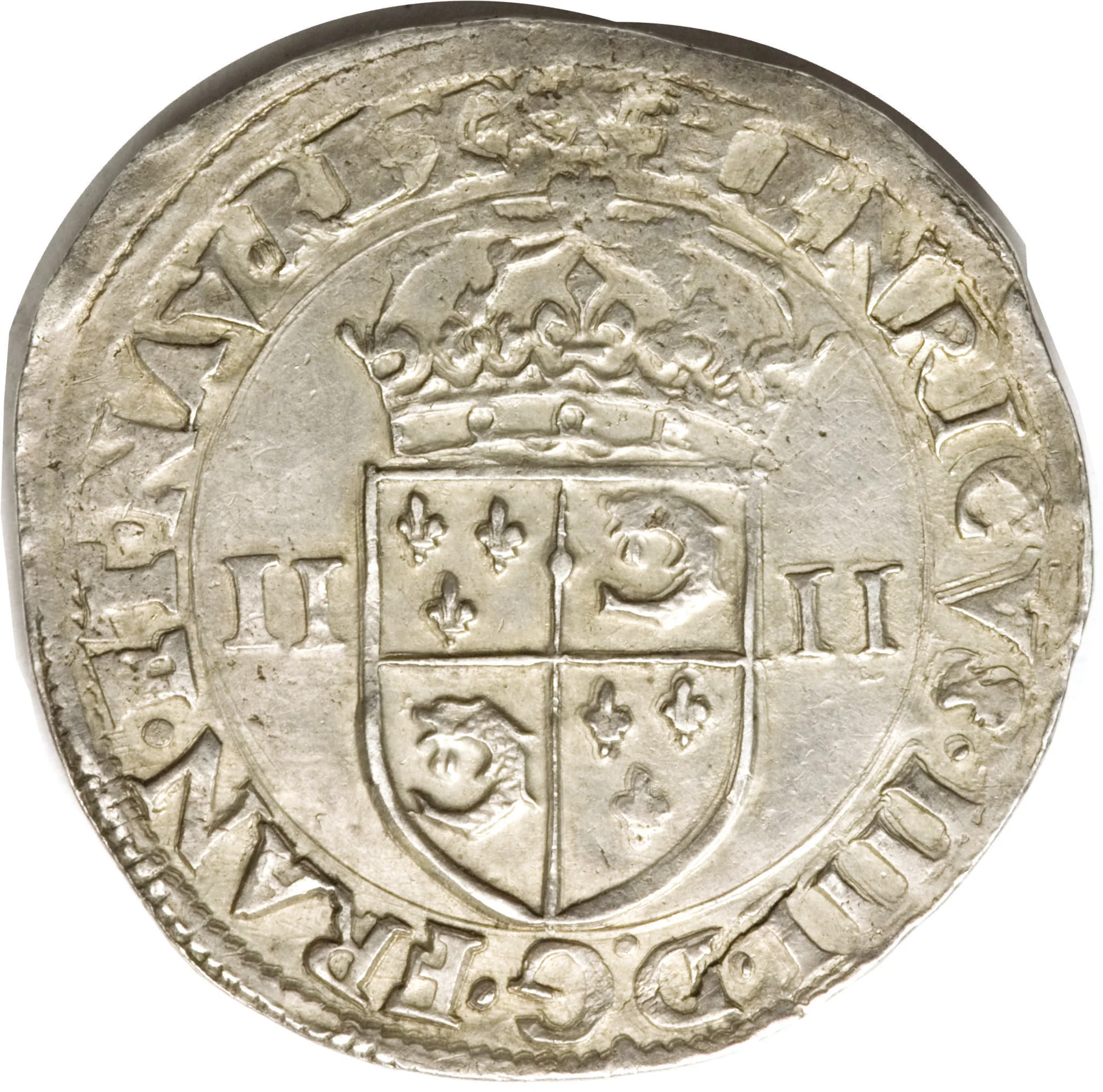
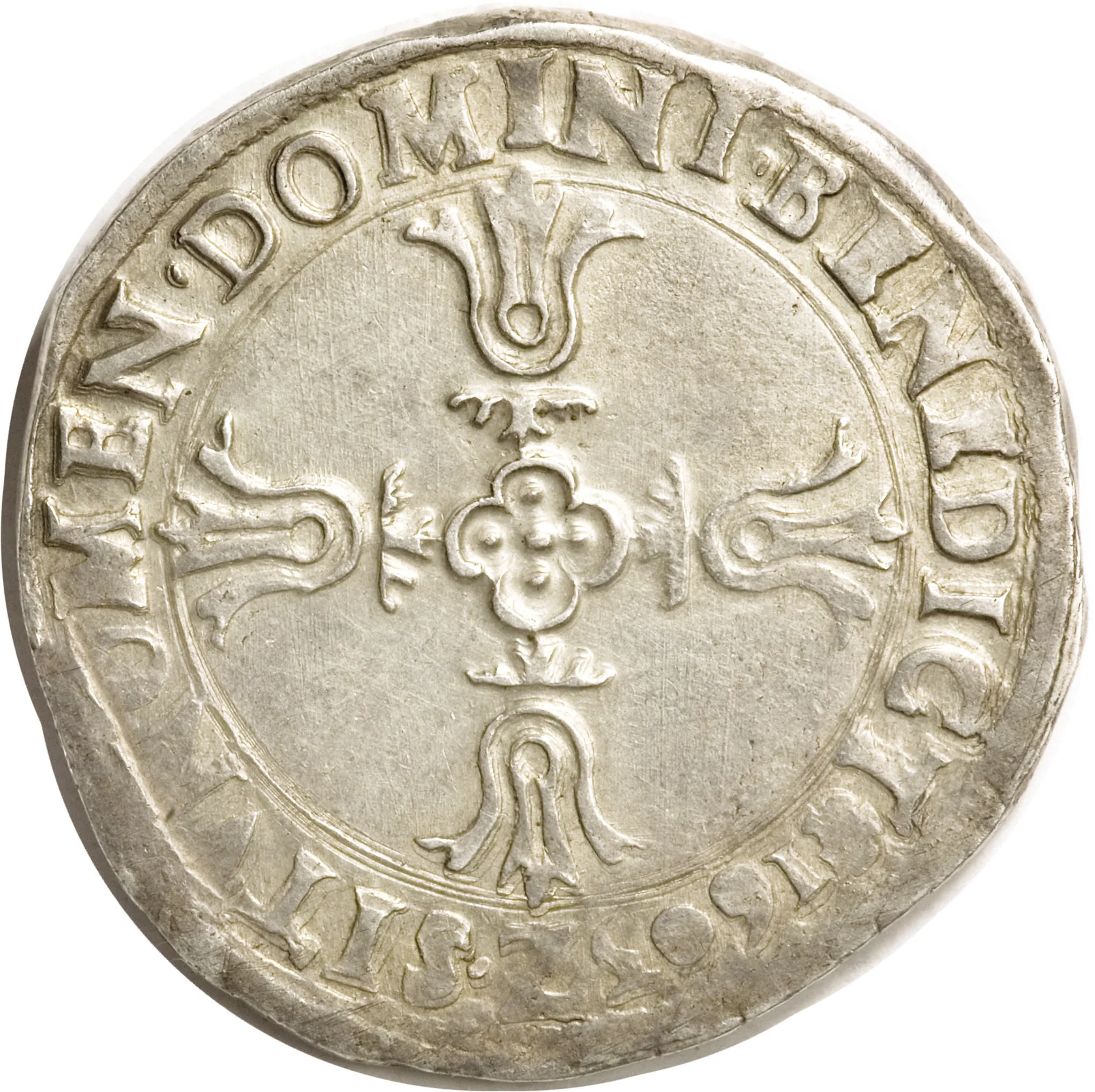
¼ silver ecu – France
Add to wishlist
France
Obverse
Description:
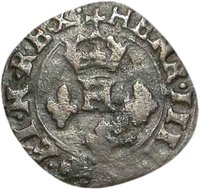
French écu of Henri IV, Dauphiné. Legend: "Henri IV, by the grace of God, King of France and Navarre".
Inscription:
HENRICVS.IIII.D.G.FRAN.ET.NAV.REX.
Script: Latin
Reverse
Description:
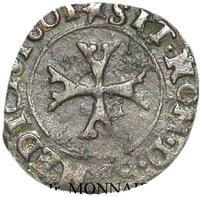
Leafy cross. Workshop letter Z below. Circular legend: "Blessed be the name of the Lord".
Inscription:
SIT.NOMEN.DOMINI.BENEDICT
1603
Z
1603
Z
Script: Latin
Edge
Mints
| Name | Mark |
|---|---|
| Grenoble | Z |
Historical background
In 1601, France was navigating a complex and often chaotic monetary landscape under the reign of King Henry IV. The kingdom did not have a single, unified currency but rather a system where various gold écus and silver livres tournois (a money of account) circulated alongside a plethora of physical coins, many minted by foreign states or even individual feudal lords. This proliferation led to chronic instability, as the official values of coins (their cours) often differed wildly from their intrinsic metal content (poids), creating confusion and facilitating widespread fraud.
The situation was a direct legacy of the devastating Wars of Religion (1562-1598), which had depleted the royal treasury and forced successive monarchs to repeatedly debase the coinage—reducing the precious metal content—to fund military campaigns. This practice eroded public trust in the currency and triggered severe inflation, as the real value of money plummeted. By 1601, Henry IV and his capable minister, the Duke of Sully, were in the early stages of recovery, striving to restore fiscal order and royal authority by standardizing coinage and cracking down on counterfeiters.
Consequently, daily economic life was fraught with difficulty. Merchants, peasants, and officials had to constantly assess and haggle over the worth of individual coins, consulting official tariffs that listed current exchange rates. The monetary chaos stifled commerce and long-term investment, as the value of payments and contracts could shift unpredictably. Thus, in 1601, France's currency was not just an economic tool but a symbol of the crown's fragile power and a pressing challenge to the nation's post-war stabilization and future prosperity.
The situation was a direct legacy of the devastating Wars of Religion (1562-1598), which had depleted the royal treasury and forced successive monarchs to repeatedly debase the coinage—reducing the precious metal content—to fund military campaigns. This practice eroded public trust in the currency and triggered severe inflation, as the real value of money plummeted. By 1601, Henry IV and his capable minister, the Duke of Sully, were in the early stages of recovery, striving to restore fiscal order and royal authority by standardizing coinage and cracking down on counterfeiters.
Consequently, daily economic life was fraught with difficulty. Merchants, peasants, and officials had to constantly assess and haggle over the worth of individual coins, consulting official tariffs that listed current exchange rates. The monetary chaos stifled commerce and long-term investment, as the value of payments and contracts could shift unpredictably. Thus, in 1601, France's currency was not just an economic tool but a symbol of the crown's fragile power and a pressing challenge to the nation's post-war stabilization and future prosperity.
💎 Extremely Rare