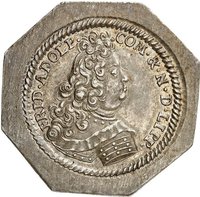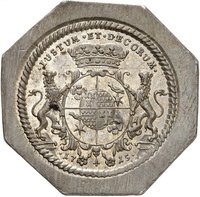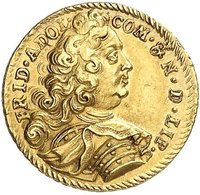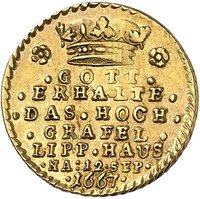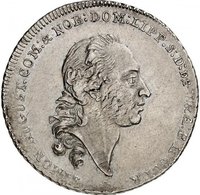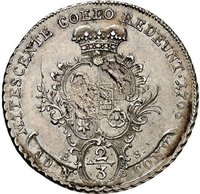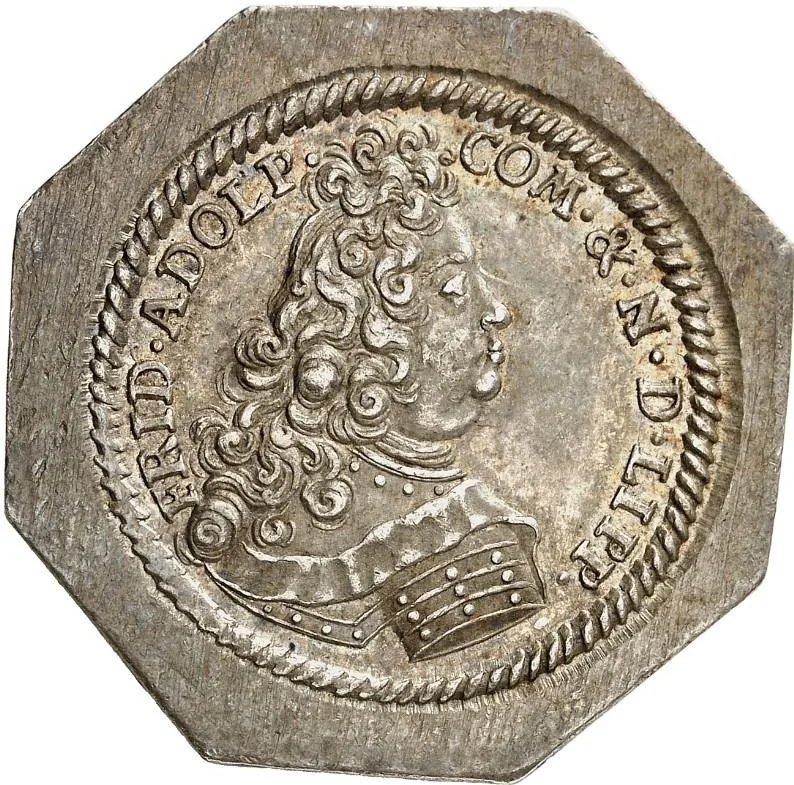
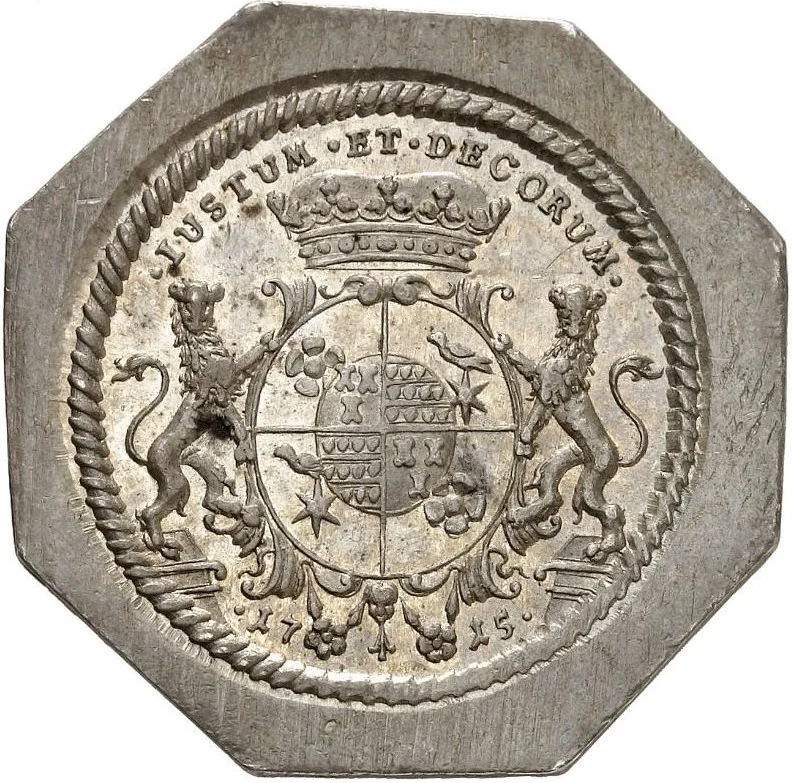
In 1715, the County of Lippe-Detmold, a small German territory within the Holy Roman Empire, operated within a complex and fragmented monetary system. Like most states of the era, it did not have a monopoly on coinage. The primary legal tender was based on the
Reichsthaler, a large silver coin defined by Imperial ordinance, and its smaller subdivision, the
Gute Groschen. However, the actual circulating medium was a chaotic mix of coins from neighbouring principalities, cities, and even foreign lands, brought in through trade. This proliferation of currencies of varying weight and purity made everyday commerce difficult and prone to dispute.
The local ruler, Count Friedrich Adolf, faced significant fiscal pressures, including debts from the recent War of the Spanish Succession. While there is no record of a major currency debasement in Lippe-Detmold in 1715 specifically, small German states often resorted to manipulating their own subsidiary coinage to generate revenue. This typically involved issuing lightweight
Groschen or
Pfennige (pennies) that were officially valued at par with better coins but contained less silver, effectively taxing the population through inflation. Such practices eroded public trust and complicated trade with neighbours.
Consequently, the monetary situation was one of inherent instability and local hardship. Transactions required constant evaluation of coins' actual metal content versus their declared value. The county's economy suffered from this uncertainty, hindering investment and market efficiency. While not in a state of catastrophic crisis in 1715, Lippe-Detmold's currency was emblematic of the Empire's systemic weaknesses—a patchwork of unreliable money that ultimately served the short-term needs of its prince more reliably than the long-term health of its economy.