

1 patagon – Liege
Add to wishlist
Belgium
Context
Years: 1662–1686
Country: Belgium
Issuer: Liege
Period:
Ruler: Maximilian Henry of Bavaria
Currency:
(1650—1795)
Demonetized: Yes
Material
References
KM: #
Numista: #27276
Value
Bullion value: $62.91
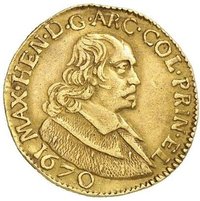
Obverse
Description:
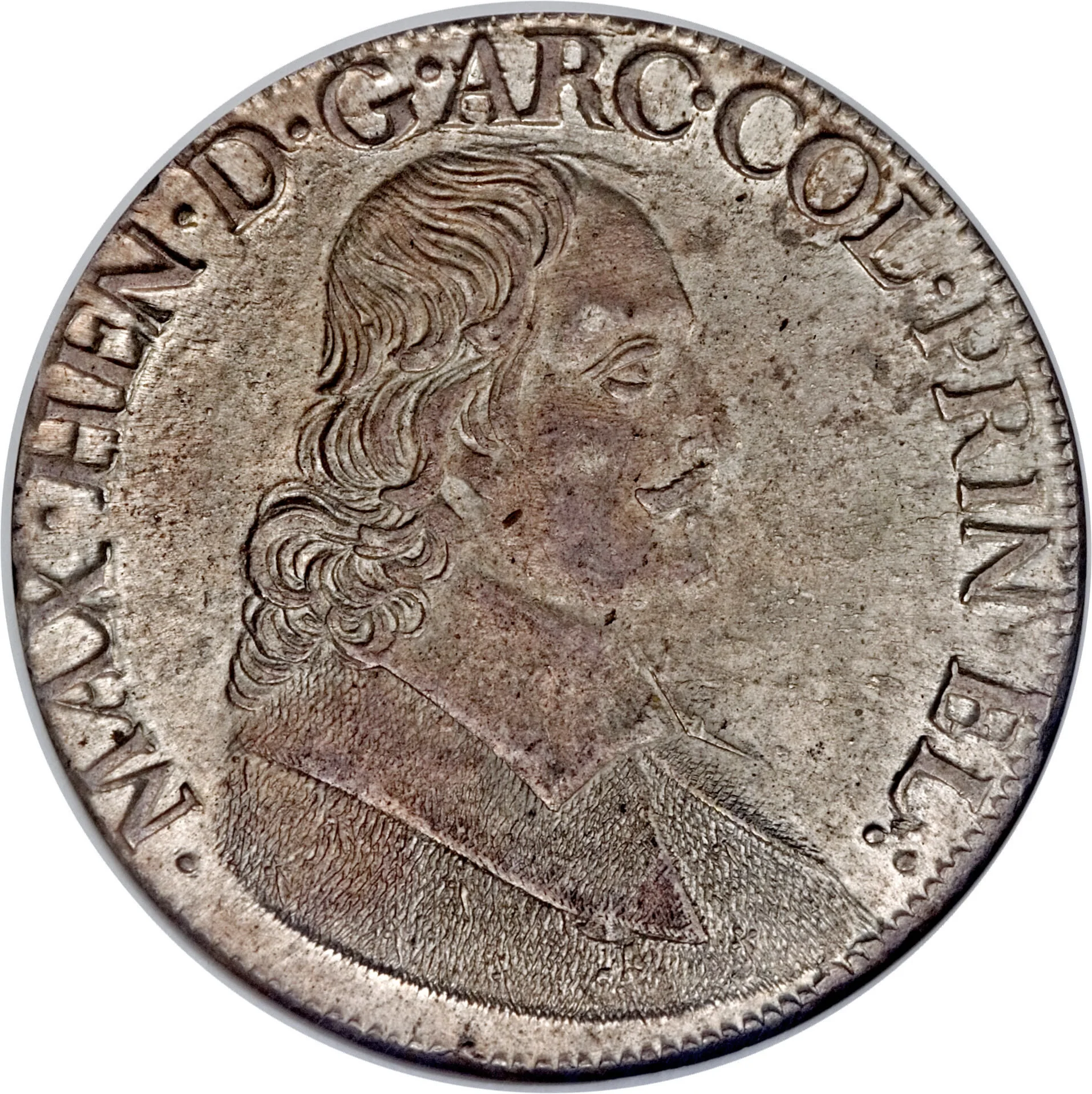
Bust of Maximilian Henry, right-facing.
Inscription:
•MAX•HEN•D•G•ARC•COL•PRIN•EL:
Script: Latin
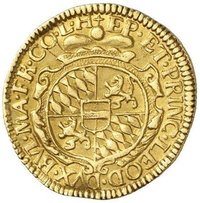
Reverse
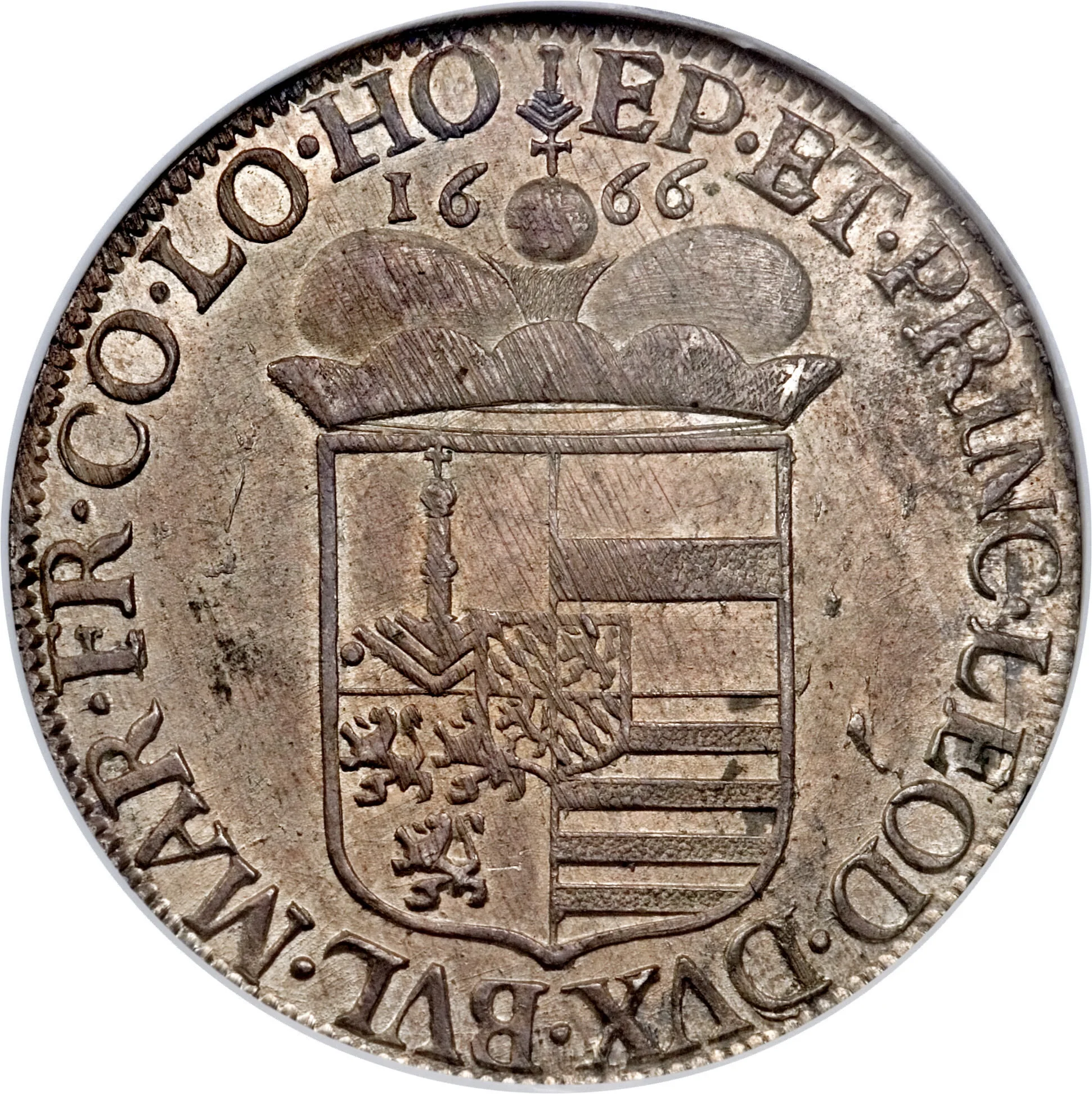
Description:
Capped eight-fold arms, dated.
Inscription:
EP•ET•PRINC•LEOD•DVX•BVL•MAR•FR•CO•LO•HO
16 66
16 66
Script: Latin
Edge
Plain
Mintings
| Year | Mint Mark | Mintage | Quality | Collection |
|---|---|---|---|---|
| 1662 | — | — | ||
| 1663 | — | — | ||
| 1664 | — | — | ||
| 1665 | — | — | ||
| 1666 | — | — | ||
| 1667 | — | — | ||
| 1668 | — | — | ||
| 1669 | — | — | ||
| 1670 | — | — | ||
| 1671 | — | — | ||
| 1672 | — | — | ||
| 1673 | — | — | ||
| 1674 | — | — | ||
| 1675 | — | — | ||
| 1676 | — | — | ||
| 1677 | — | — | ||
| 1678 | — | — | ||
| 1679 | — | — | ||
| 1680 | — | — | ||
| 1681 | — | — | ||
| 1682 | — | — | ||
| 1683 | — | — | ||
| 1684 | — | — | ||
| 1685 | — | — | ||
| 1686 | — | — |
💎 Very Rare