

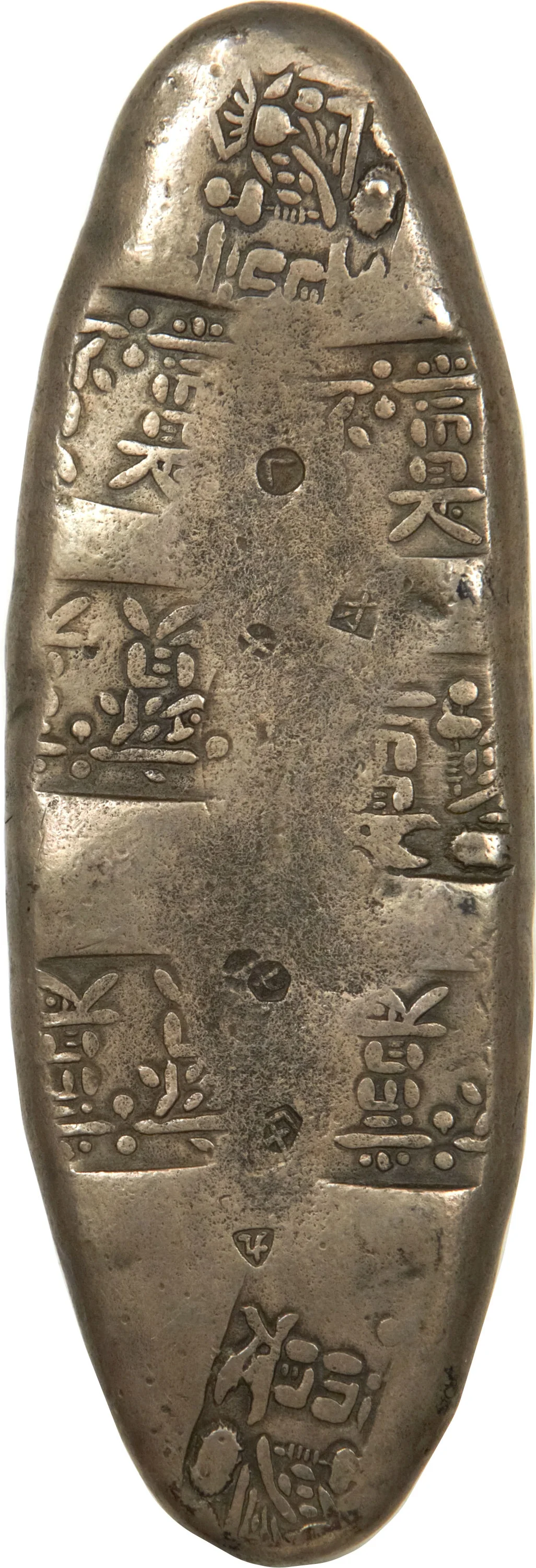
Obverse
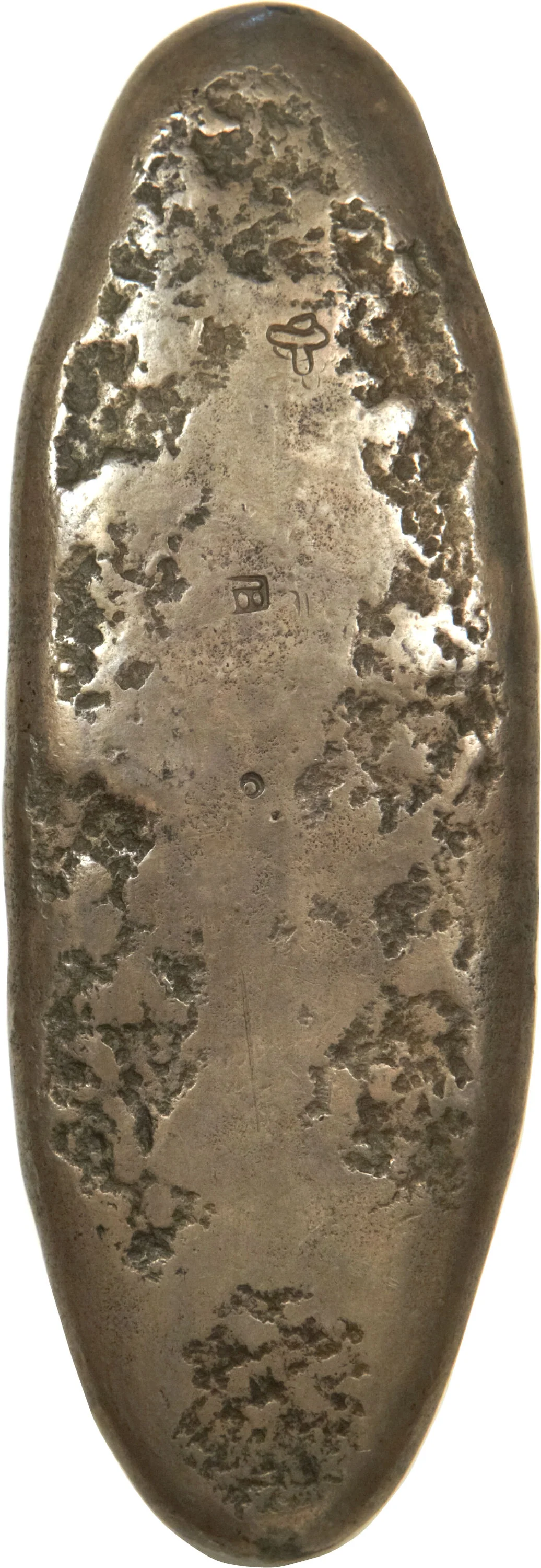
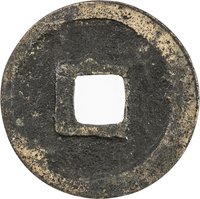
Reverse
Description:
Unfinished
Edge
Mintings
| Year | Mint Mark | Mintage | Quality | Collection |
|---|---|---|---|---|
| — | — | — |
Historical background
In 1601, Japan stood at the dawn of the Tokugawa shogunate, a period of unprecedented political stability following centuries of civil war. The new ruler, Tokugawa Ieyasu, recognized that a unified and reliable monetary system was essential for consolidating power, facilitating nationwide trade, and asserting central authority over the feudal domains. To achieve this, he initiated a sweeping currency reform, moving decisively away from the patchwork of privately minted coins and irregular imports that had characterized the preceding Sengoku period. This reform aimed to establish a standardized, government-controlled currency system that would underpin the economic foundations of the coming Edo era.
The cornerstone of this reform was the official establishment of a tri-metallic system based on gold, silver, and bronze. The shogunate issued new coins for each: the Koban gold oval coin, the Chogin silver oval coin (and later silver momme ingots), and the Kan'ei Tsuho copper round coin. Crucially, these currencies were not interchangeable by a fixed face value but existed in separate yet parallel streams, each with values that fluctuated based on metal purity and market forces. Gold coins were primarily used for large transactions, shogunal finances, and samurai stipends in the eastern Kanto region; silver, often traded by weight, dominated mercantile activity in the western Kansai region, particularly Osaka; while copper coins served everyday local commerce.
This newly imposed system in 1601 was a bold act of centralization, declaring the shogunate's sole right to mint currency. However, it was not an instant, complete transformation. The older chaotic mix of coins, including Chinese Yongle Tongbao cash and worn-out domestic issues, remained in circulation for decades alongside the new official mintage. Furthermore, powerful domains retained some economic autonomy through the use of paper scrip and their own clan notes. Thus, the year 1601 marks the decisive starting point for a unified Tokugawa monetary order—a complex, evolving framework that would successfully fuel Japan's internal economic growth and commercial expansion for over 250 years of peace.
The cornerstone of this reform was the official establishment of a tri-metallic system based on gold, silver, and bronze. The shogunate issued new coins for each: the Koban gold oval coin, the Chogin silver oval coin (and later silver momme ingots), and the Kan'ei Tsuho copper round coin. Crucially, these currencies were not interchangeable by a fixed face value but existed in separate yet parallel streams, each with values that fluctuated based on metal purity and market forces. Gold coins were primarily used for large transactions, shogunal finances, and samurai stipends in the eastern Kanto region; silver, often traded by weight, dominated mercantile activity in the western Kansai region, particularly Osaka; while copper coins served everyday local commerce.
This newly imposed system in 1601 was a bold act of centralization, declaring the shogunate's sole right to mint currency. However, it was not an instant, complete transformation. The older chaotic mix of coins, including Chinese Yongle Tongbao cash and worn-out domestic issues, remained in circulation for decades alongside the new official mintage. Furthermore, powerful domains retained some economic autonomy through the use of paper scrip and their own clan notes. Thus, the year 1601 marks the decisive starting point for a unified Tokugawa monetary order—a complex, evolving framework that would successfully fuel Japan's internal economic growth and commercial expansion for over 250 years of peace.
Navigation: Standard circulation coins from Japan
✨ Legendary