

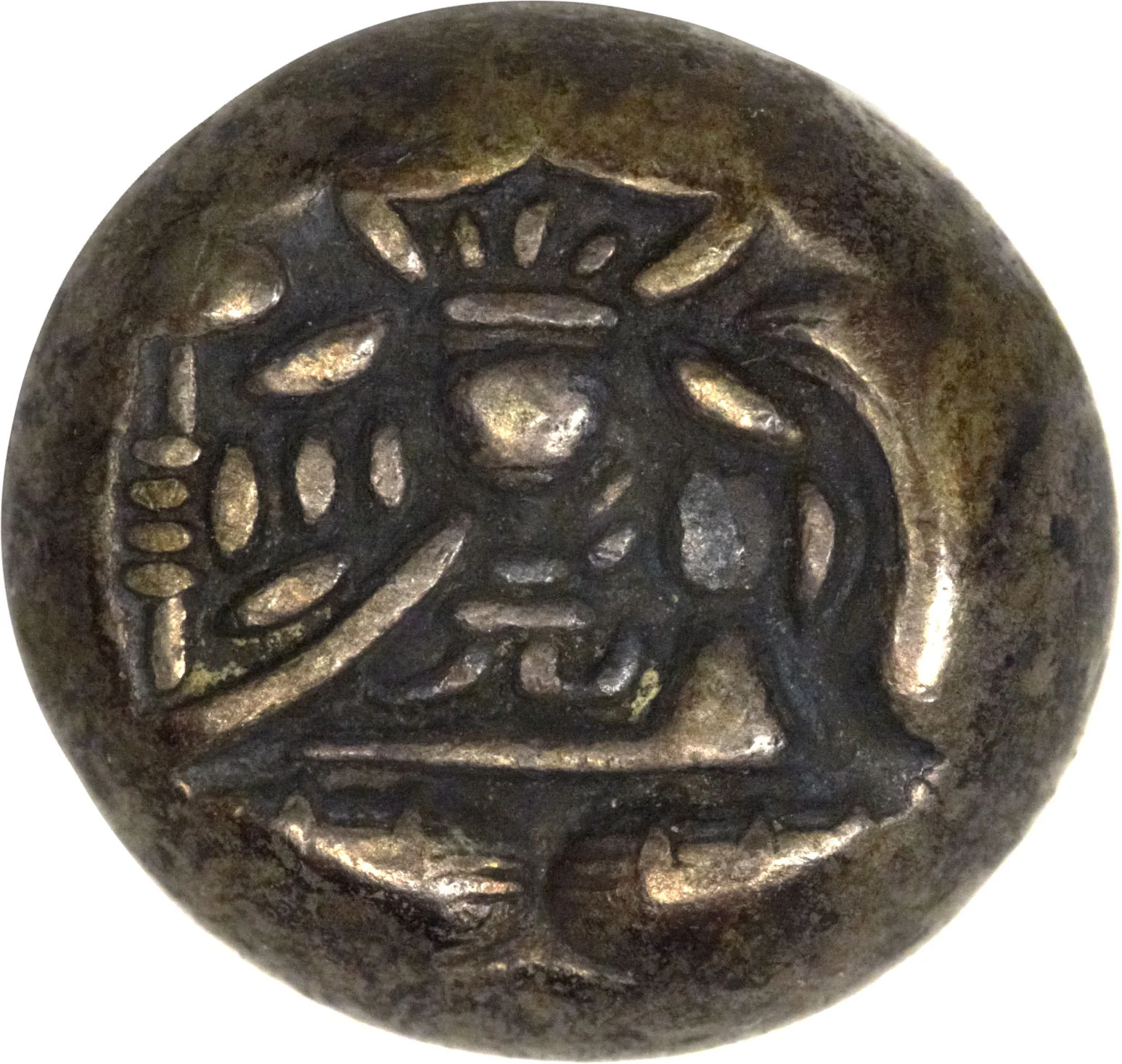
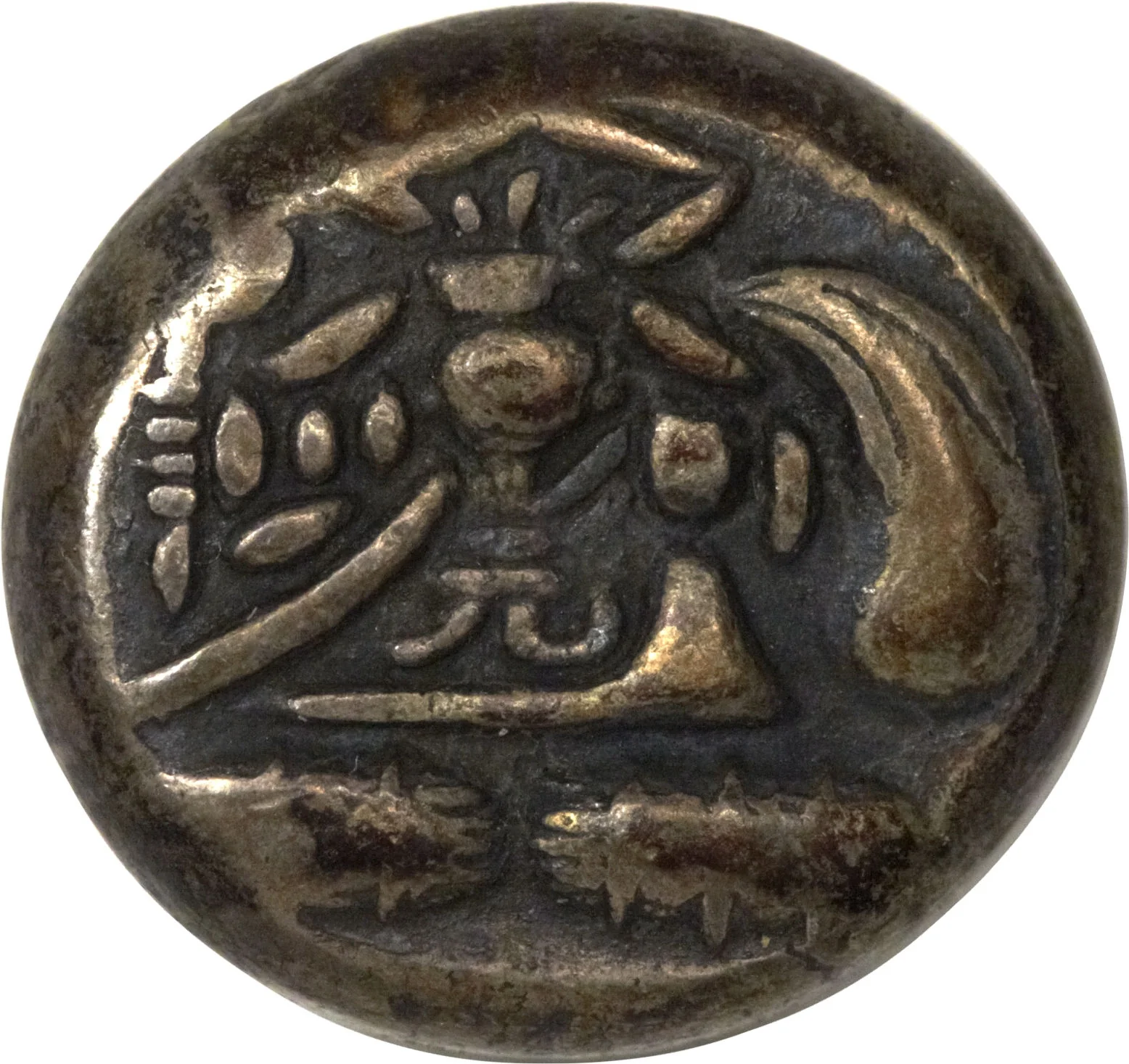
mameitagin "genroku mameitagin" – Japan
Add to wishlist
Japan
Context
Material
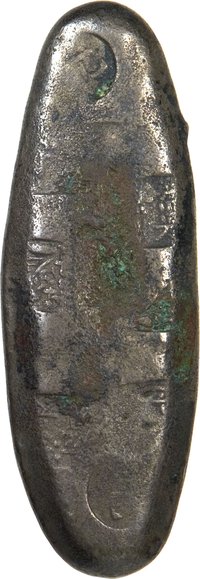
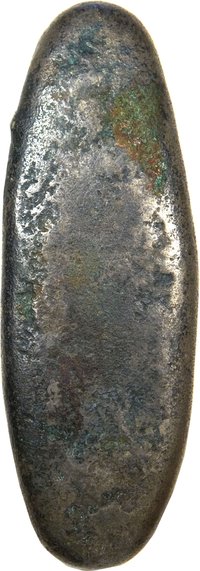
Shape: Irregular round
Composition: 64% Silver
Magnetic: No
Technique: Hammered
Alignment: Medal alignment
flip
References
KM: #
Numista: #27227
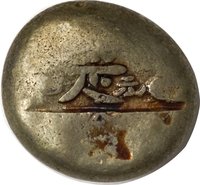
Obverse
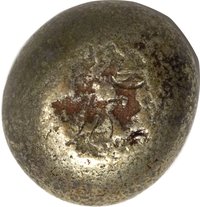
Reverse
Edge
Mintings
| Year | Mint Mark | Mintage | Quality | Collection |
|---|---|---|---|---|
| — | — | — |
Historical background
In 1695, Japan stood at a pivotal moment in its monetary history, undertaking the first major recoinage in over a century under the Tokugawa shogunate. The government, led by the senior councillor Tsunayoshi Tokugawa, faced a severe financial crisis. Decades of peace had drained the shogunate's coffers due to fixed land-tax revenues, lavish ceremonial expenses, and costly reconstruction after fires and natural disasters. The state's solvency was heavily reliant on the stockpile of precious metals mined in the 16th and early 17th centuries, particularly gold and silver, which were now dwindling. This fiscal strain created an urgent need for a bold financial intervention.
The solution was the Genroku recoinage, initiated in 1695. The government ordered the debasement of the gold koban and silver chogin coins by significantly reducing their precious metal content. The new koban, for example, was increased in physical size but contained only about 56% of the gold of its Keicho-era predecessor, with the balance made up of silver and copper. Simultaneously, the state issued new copper zeni coins with a higher face value than their intrinsic metal worth. This process was essentially a form of currency devaluation, allowing the shogunate to mint more coins from its existing bullion reserves and seize the profit, or seigniorage, to directly fund its deficits.
The immediate effect was a temporary fiscal relief for the shogunate, but it set a dangerous precedent and triggered long-term economic instability. The debasement led to price inflation as the public quickly recognized the reduced intrinsic value of the currency. It also initiated a cycle of repeated debasements throughout the 18th century as successive governments turned to the same short-term remedy for fiscal woes. Furthermore, it disrupted the sophisticated triple-currency system (gold, silver, and copper) and sowed distrust in government-issued money, ultimately contributing to a gradual erosion of the Tokugawa financial system and increasing economic hardship for the samurai class on fixed stipends.
The solution was the Genroku recoinage, initiated in 1695. The government ordered the debasement of the gold koban and silver chogin coins by significantly reducing their precious metal content. The new koban, for example, was increased in physical size but contained only about 56% of the gold of its Keicho-era predecessor, with the balance made up of silver and copper. Simultaneously, the state issued new copper zeni coins with a higher face value than their intrinsic metal worth. This process was essentially a form of currency devaluation, allowing the shogunate to mint more coins from its existing bullion reserves and seize the profit, or seigniorage, to directly fund its deficits.
The immediate effect was a temporary fiscal relief for the shogunate, but it set a dangerous precedent and triggered long-term economic instability. The debasement led to price inflation as the public quickly recognized the reduced intrinsic value of the currency. It also initiated a cycle of repeated debasements throughout the 18th century as successive governments turned to the same short-term remedy for fiscal woes. Furthermore, it disrupted the sophisticated triple-currency system (gold, silver, and copper) and sowed distrust in government-issued money, ultimately contributing to a gradual erosion of the Tokugawa financial system and increasing economic hardship for the samurai class on fixed stipends.
Series: 1695 Japan circulation coins
✨ Legendary