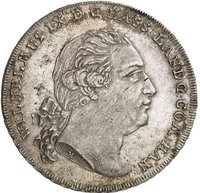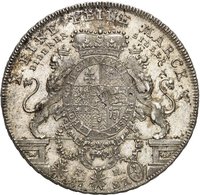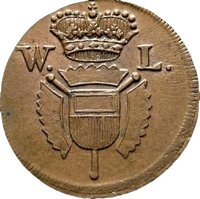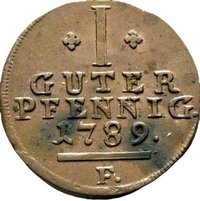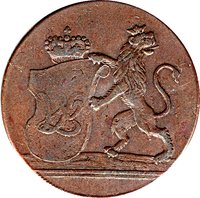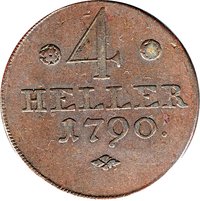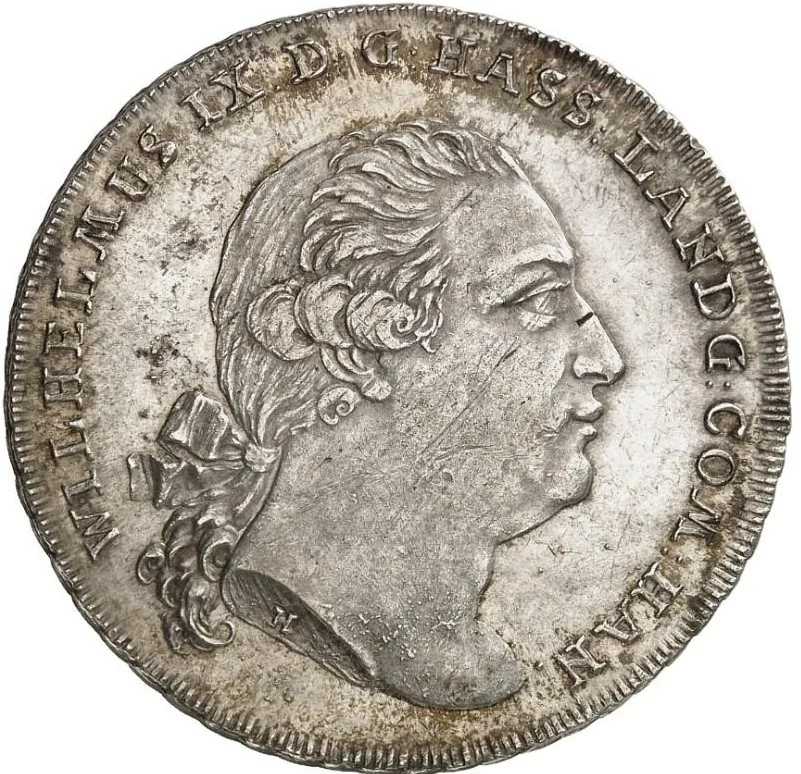
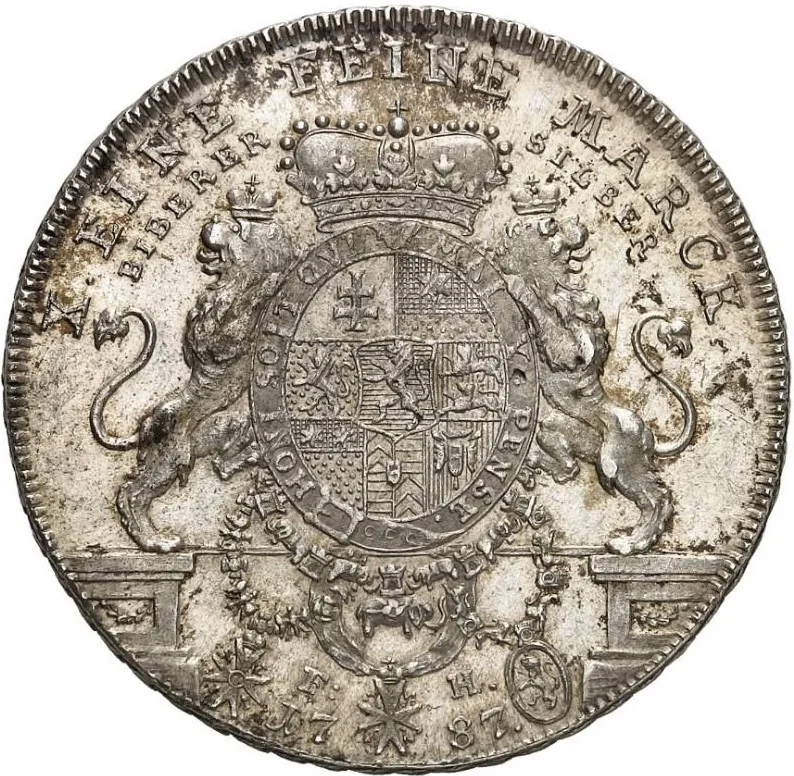
In 1787, the currency situation in the Landgraviate of Hesse-Cassel was complex and fragmented, reflecting the broader monetary disunity of the Holy Roman Empire. The landgraviate did not have a single, unified currency but instead operated within a system where multiple coinage standards circulated simultaneously. The primary unit of account was the
Reichsthaler, a silver-based imperial standard, but daily transactions were often conducted in local
Taler,
Gulden, and
Kreuzer, with fluctuating exchange rates between them. This system was further complicated by the widespread circulation of foreign coins from neighboring German states, creating a persistent challenge for trade and public administration.
The landgraviate’s fiscal strength, notably derived from the lucrative practice of renting mercenary soldiers (
Soldatenhandel), provided a relatively stable silver reserve. However, this wealth did not translate into monetary simplicity. Landgrave Frederick II (r. 1760-1785) and his successor, William IX (who became Elector William I in 1803), issued their own high-quality silver
Taler coins, which were trusted for large-scale and international transactions. Yet, at the lower denominations needed for everyday commerce, a chronic shortage of small change (
Kleingeld) persisted. This often forced communities and businesses to rely on inferior foreign small coins or private tokens, leading to confusion and potential for debasement.
Consequently, the monetary landscape was one of official strength shadowed by practical disorder. While the treasury was famously solvent, the coexistence of imperial, regional, foreign, and local units of exchange created a burdensome environment for merchants and peasants alike, requiring constant calculation and conversion. This situation underscored the tension between Hesse-Cassel's considerable financial power and the pre-modern reality of a decentralized imperial monetary system, a problem that would persist until the Napoleonic era forced broader territorial and financial consolidation.