

1 Poltina – Russian Empire
Russia
Context
Years: 1737–1740
Country: Russia 
Issuer: Russian Empire
Ruler: Anna I
Currency:
(1700—1917)
Demonetized: Yes
Total mintage: 294,602
Material
References
KM: #Click to copy to clipboard199.1
Numista: #26968
Value
Bullion value: $30.04
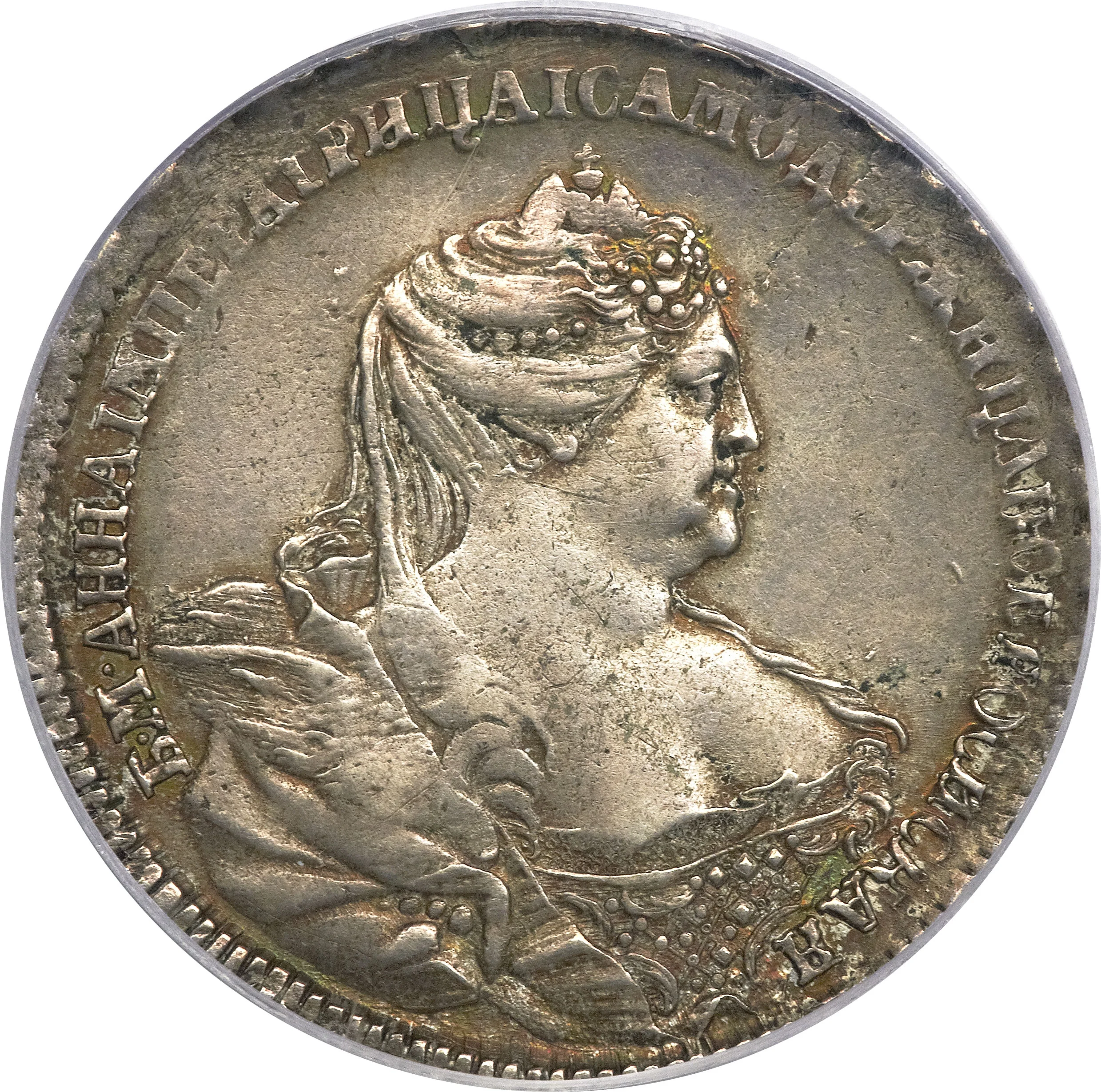
Obverse
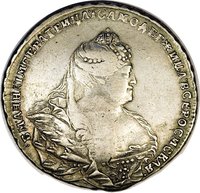
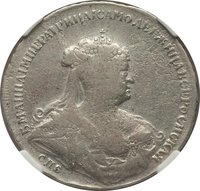
Description:
Bust of Anna Ioannovna, right-facing.
Inscription:
Б·М·АННАIМПЕРАТРИЦАIСАМОДЕРЖИЦАВСЕРОСИСКАЯ
Script: Cyrillic
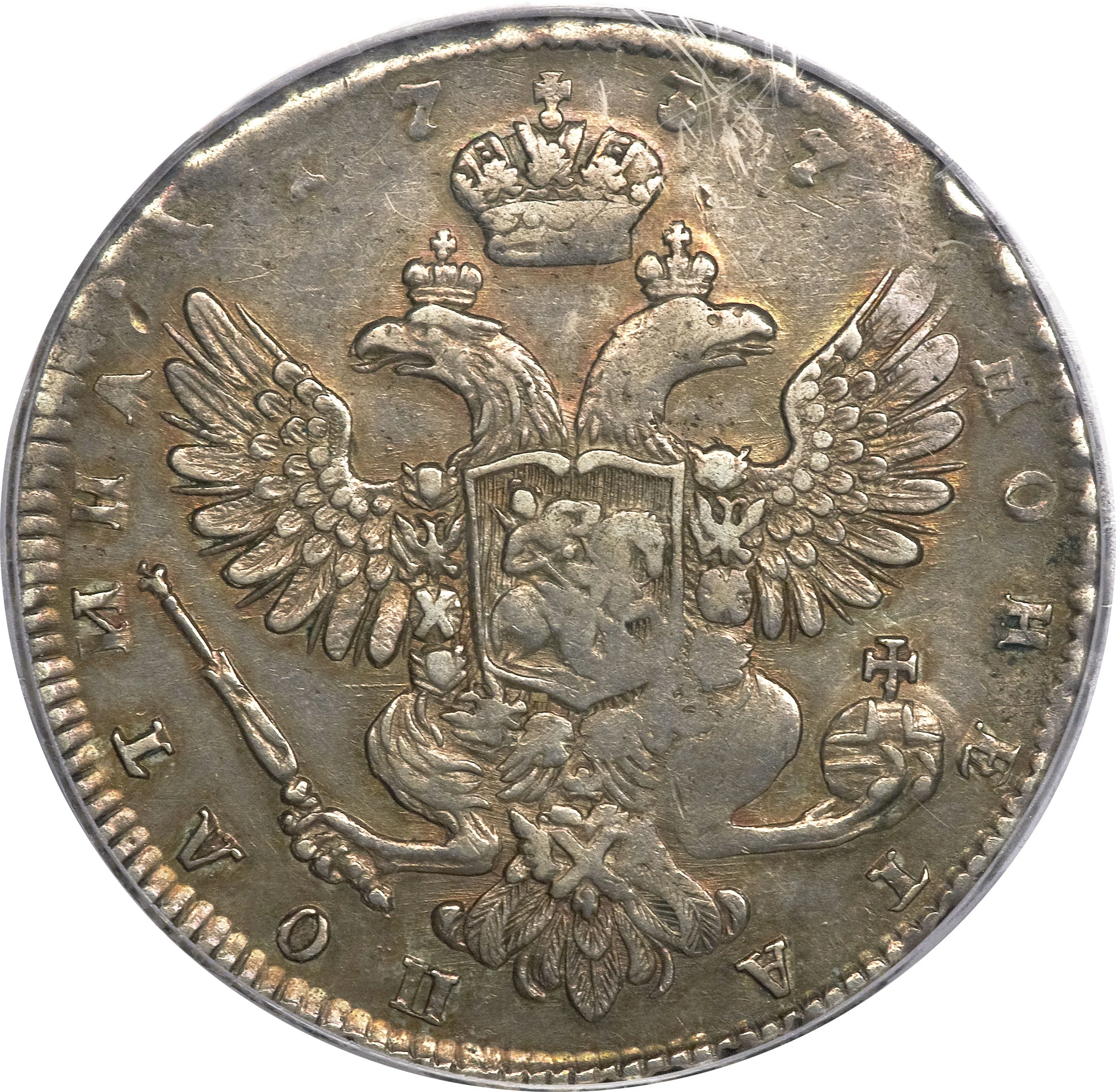
Reverse
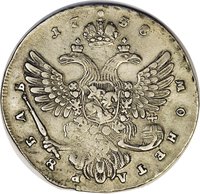
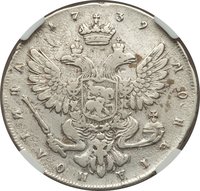
Description:
Crowned two-headed eagle; denomination and date.
Inscription:
1737
МОНЕТА ПОЛТИНА
МОНЕТА ПОЛТИНА
Script: Cyrillic
Edge
Reticulated
Mintings
| Year | Mint Mark | Mintage | Quality | Collection |
|---|---|---|---|---|
| 1737 | — | — | ||
| 1738 | — | 175,524 | ||
| 1739 | — | 119,078 | ||
| 1740 | — | — |
Historical background
In 1737, the Russian Empire's currency system was defined by the copper kopeck as the primary circulating coinage, a legacy of the monetary reforms of Peter the Great. The silver ruble remained the official unit of account, but a severe shortage of silver meant that large transactions and state finances relied heavily on cumbersome copper money. This created a practical disconnect, as the populace dealt primarily in heavy bags of copper coins, while state accounting and international trade were conducted in a silver standard that had limited physical presence.
The system was under significant strain due to the ongoing Russo-Turkish War (1735–1739), which placed enormous fiscal pressure on Empress Anna Ioannovna's government. Military expenditures were funded through increased minting of copper coins at state-owned mints, a process that risked inflation. Furthermore, the empire contended with widespread counterfeiting and the circulation of inferior, lightweight "thieves' money" (vorovskie den'gi), which further eroded public trust in the currency and complicated commerce.
Consequently, the monetary policy of the period was largely reactive and focused on maintaining stability. The government enforced strict laws against counterfeiting and attempted to regulate the weight and purity of copper coins to preserve their value. However, the fundamental structural issues—the lack of silver, the reliance on war-driven copper issuance, and the dual system of account versus circulation—remained unresolved, setting the stage for future monetary crises and reforms later in the 18th century.
The system was under significant strain due to the ongoing Russo-Turkish War (1735–1739), which placed enormous fiscal pressure on Empress Anna Ioannovna's government. Military expenditures were funded through increased minting of copper coins at state-owned mints, a process that risked inflation. Furthermore, the empire contended with widespread counterfeiting and the circulation of inferior, lightweight "thieves' money" (vorovskie den'gi), which further eroded public trust in the currency and complicated commerce.
Consequently, the monetary policy of the period was largely reactive and focused on maintaining stability. The government enforced strict laws against counterfeiting and attempted to regulate the weight and purity of copper coins to preserve their value. However, the fundamental structural issues—the lack of silver, the reliance on war-driven copper issuance, and the dual system of account versus circulation—remained unresolved, setting the stage for future monetary crises and reforms later in the 18th century.
✨ Legendary