

1 ruble – Russian Empire
Add to wishlist
Russia
Context
Year: 1725
Country: Russia
Issuer: Russian Empire
Ruler: Catherine I
Currency:
(1700—1917)
Demonetized: Yes
Material
References
KM: #
Numista: #26964
Value
Bullion value: $52.49
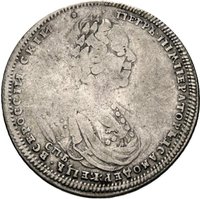
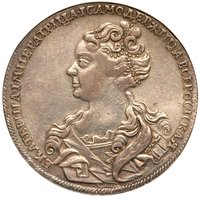
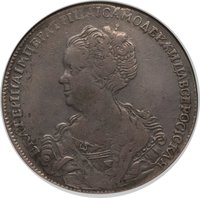
Obverse
Description:
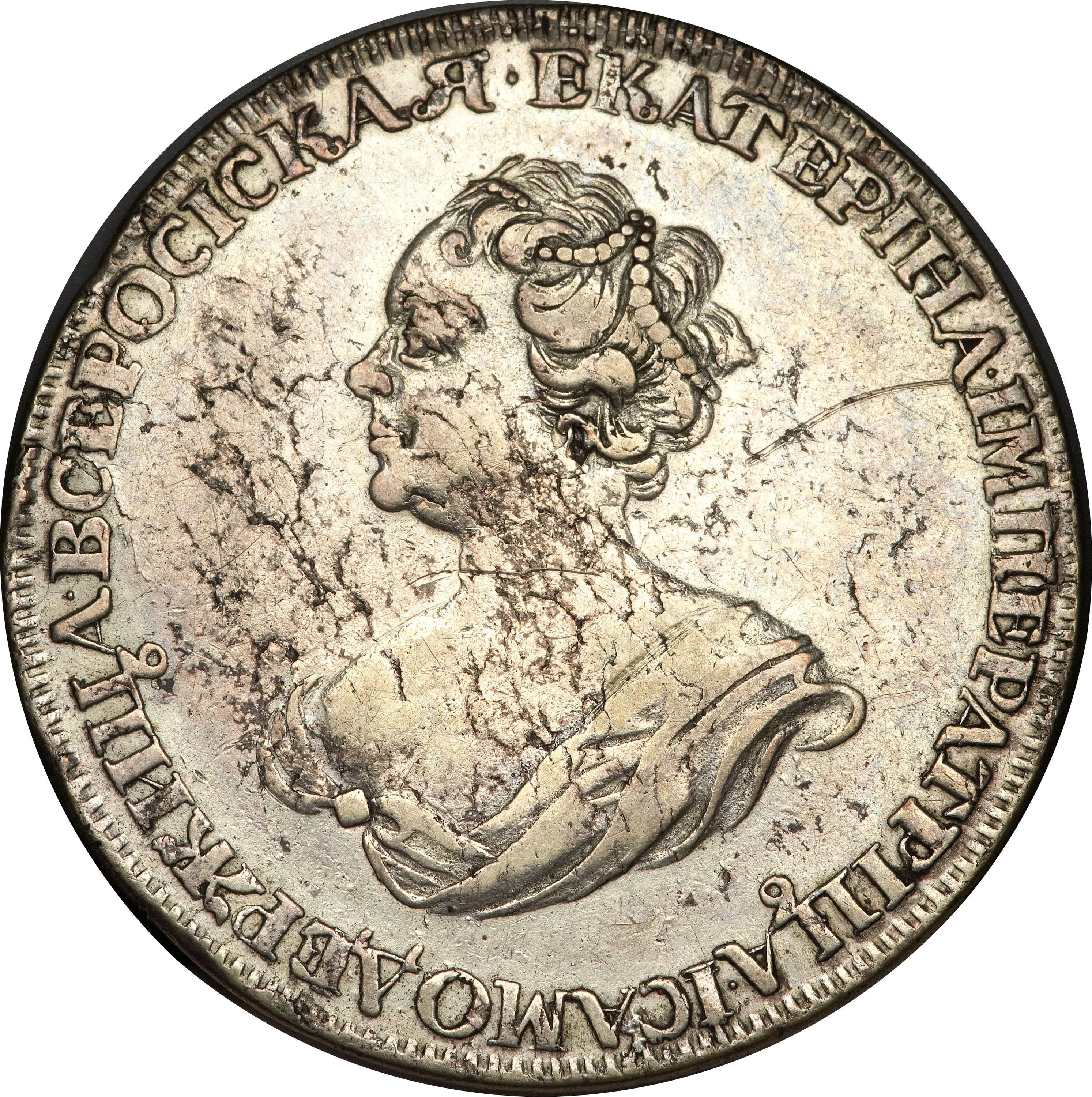
Funeral portrait of Catherine I.
Inscription:
ЕКАТЕРIНА∙IМПЕРАТРIЦА∙IСАМОДЕРЖИЦА∙ВСЕРОСIСКАЯ ∙
Script: Cyrillic
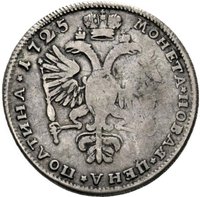
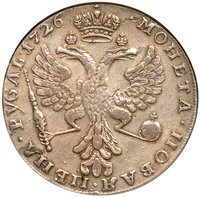
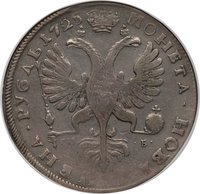
Reverse
Description:
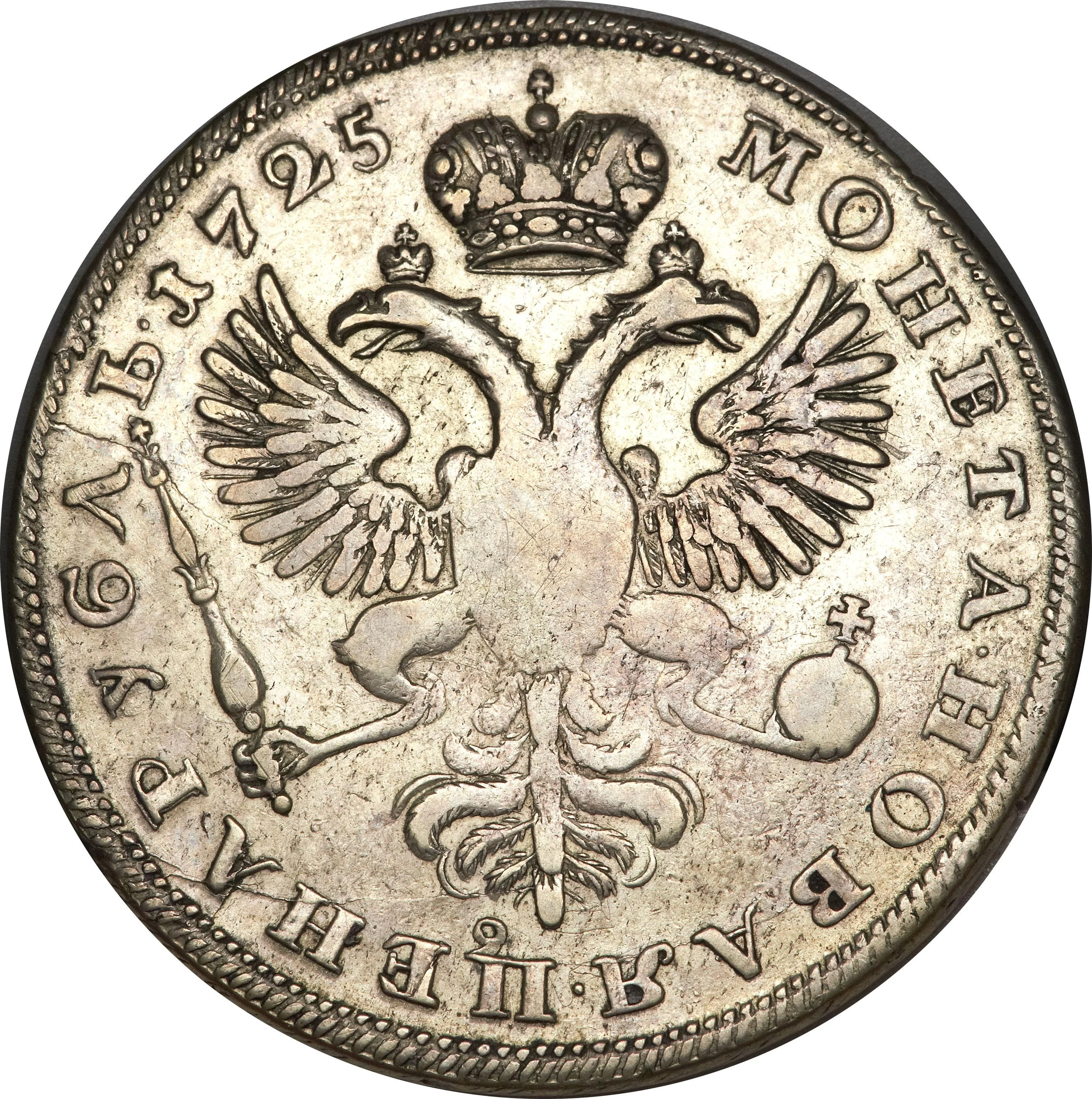
Crowned double-headed eagle surrounded by legend, value, and date.
Inscription:
МОНЕТА∙НОВАЯ∙ЦЕНА РУБЛЬ∙1725
Script: Cyrillic
Edge
Threadlike
Mintings
| Year | Mint Mark | Mintage | Quality | Collection |
|---|---|---|---|---|
| 1725 | — | — | BU |
Historical background
By 1725, the Russian Empire's currency system was a complex and strained legacy of Peter the Great's ambitious reforms. The cornerstone was the silver ruble, introduced in 1704 to replace the old denga-based system and align Russia with European monetary standards. However, to fund the immense costs of the Great Northern War and rapid modernization, Peter had heavily debased the coinage, reducing the silver content of copper coins and minting vast quantities of low-weight copper polushkas and dengas. This created a de facto bimetallic system where the value of bulky copper coins was officially pegged to silver, but their practical worth was unstable.
The system was burdened by a critical shortage of precious metals. Russia lacked substantial domestic silver or gold mines, relying on imported bullion and foreign coinage, much of which was melted down for reminting. This scarcity led to a chronic undervaluation of Russian coinage abroad and encouraged widespread counterfeiting and clipping. Furthermore, the state's primary revenue source was the podushnaya podat (soul tax), collected almost exclusively in copper coin from the peasantry, while state expenses and international trade required silver. This created a cumbersome and inefficient fiscal loop.
Consequently, the year 1725, marking the death of Peter and the accession of Catherine I, found the empire's finances under significant pressure. The currency was fragmented, with heavy copper coins impractical for large transactions and a scarcity of trusted silver. The monetary base was inadequate for the growing economy, leading to regional variations in value and hindering commerce. The stage was set for the continued financial experimentation and instability that would characterize much of the 18th century, as subsequent rulers grappled with the challenges of managing a modernizing empire with an insufficient and unwieldy currency system.
The system was burdened by a critical shortage of precious metals. Russia lacked substantial domestic silver or gold mines, relying on imported bullion and foreign coinage, much of which was melted down for reminting. This scarcity led to a chronic undervaluation of Russian coinage abroad and encouraged widespread counterfeiting and clipping. Furthermore, the state's primary revenue source was the podushnaya podat (soul tax), collected almost exclusively in copper coin from the peasantry, while state expenses and international trade required silver. This created a cumbersome and inefficient fiscal loop.
Consequently, the year 1725, marking the death of Peter and the accession of Catherine I, found the empire's finances under significant pressure. The currency was fragmented, with heavy copper coins impractical for large transactions and a scarcity of trusted silver. The monetary base was inadequate for the growing economy, leading to regional variations in value and hindering commerce. The stage was set for the continued financial experimentation and instability that would characterize much of the 18th century, as subsequent rulers grappled with the challenges of managing a modernizing empire with an insufficient and unwieldy currency system.
✨ Legendary