

1 poltina – Russian Empire
Add to wishlist
Russia
Context
Years: 1731–1733
Country: Russia
Issuer: Russian Empire
Ruler: Anna I
Currency:
(1700—1917)
Demonetized: Yes
Material
References
KM: #
Numista: #26949
Value
Bullion value: $26.50
Obverse
Description:
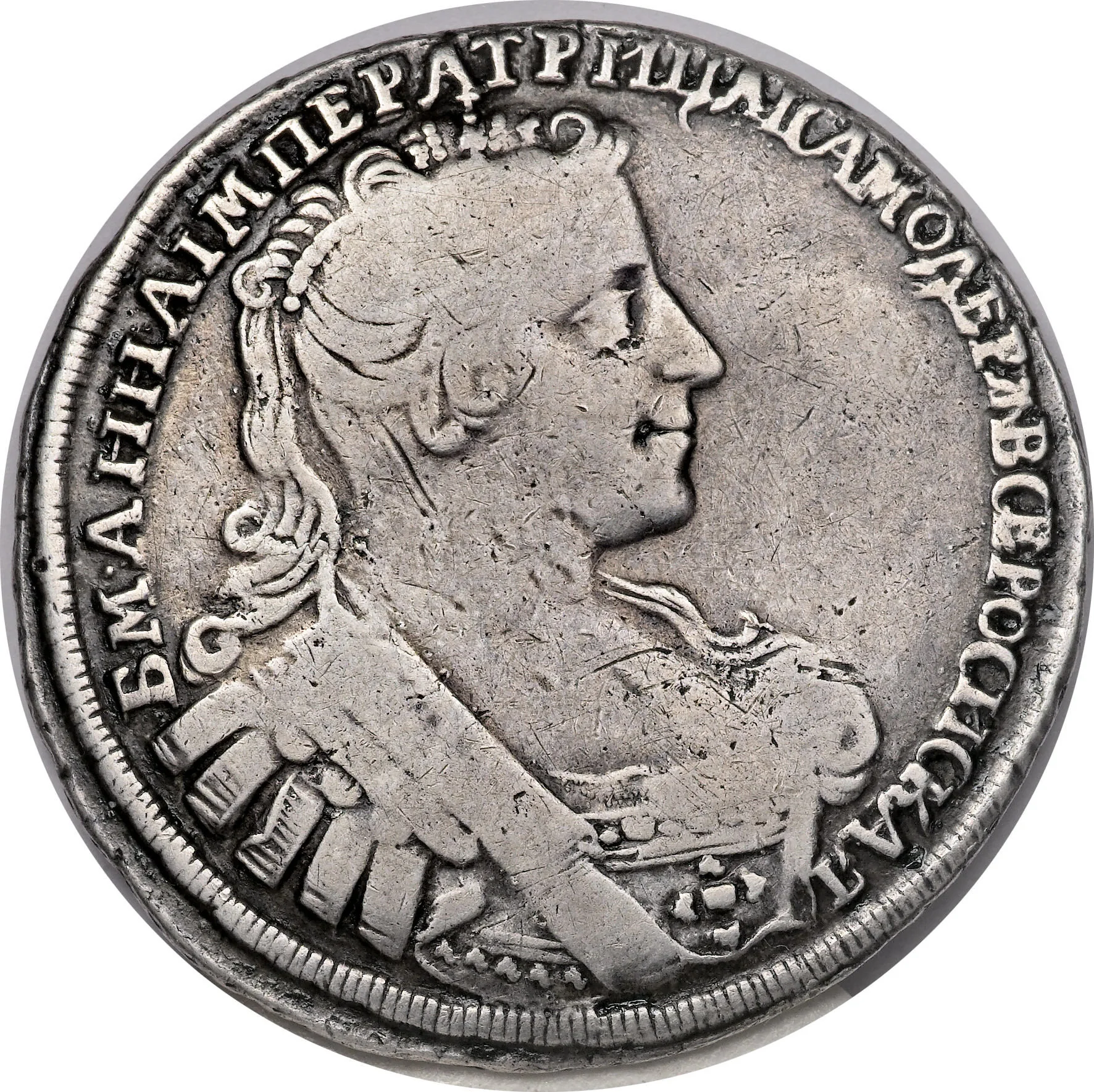
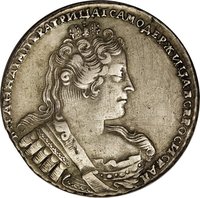
Bust of Anna Ioannovna facing right, with abbreviated imperial inscription.
Inscription:
БМ∙АННАIМПЕРАТРИЦАIСАМОДЕРЖВСЕРОСИСКАЯ
Script: Cyrillic
Reverse
Description:
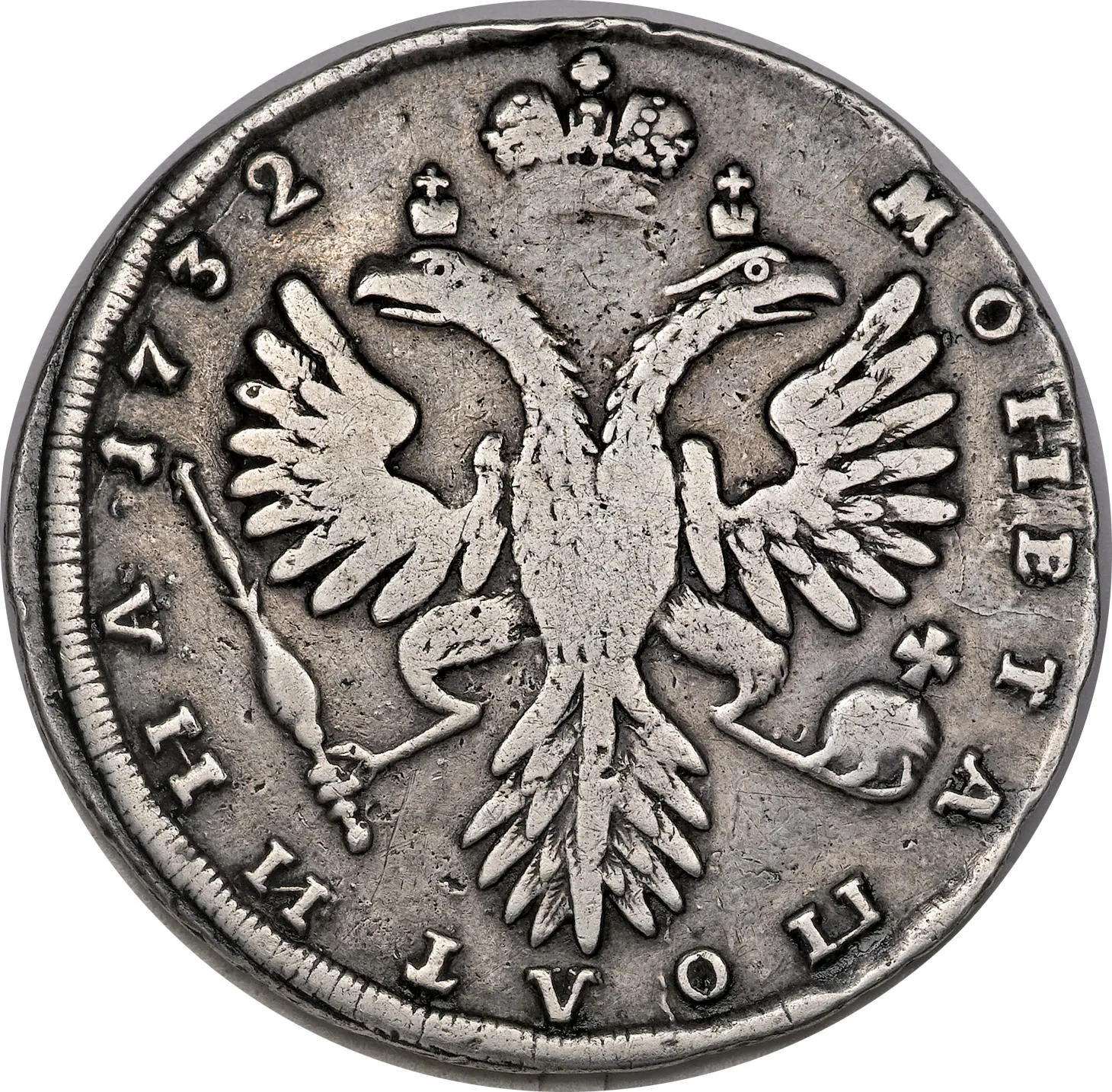
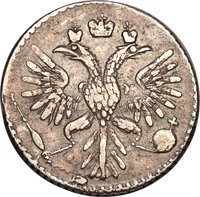
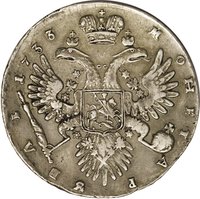
Crowned two-headed eagle; denomination and date.
Inscription:
МОНЕТА ПОЛТИНА 1732
Script: Cyrillic
Edge
Reticulated
Categories
| Symbol> Double-headed eagle |
Mints
| Name | Mark |
|---|---|
| Kadashevsky Mint | — |
Mintings
| Year | Mint Mark | Mintage | Quality | Collection |
|---|---|---|---|---|
| 1731 | — | — | ||
| 1732 | — | — | ||
| 1733 | — | — |
Historical background
In 1731, the Russian Empire's currency system was defined by the copper-based monetary reforms initiated by Peter the Great, which were still in effect but showing significant strain. The primary circulating coins were silver rubles and copper kopeks, with the silver ruble valued at 100 copper kopeks. However, the state's relentless minting of copper coinage to finance military campaigns, particularly the Great Northern War, had led to a severe oversupply. This resulted in a debilitating disparity between the face value of copper coins and their intrinsic metal value, causing inflation and a deep public distrust in the copper currency, especially in the provinces.
The situation was further complicated by the existence of two parallel monetary systems. While state accounts and foreign trade were conducted in a silver-based ruble, the daily economy for most peasants and soldiers operated heavily in devalued copper. This created practical hardships and economic friction. Furthermore, the empire struggled with a chronic shortage of silver, a precious metal it had to import at great cost. This shortage constrained the minting of high-value, stable currency, forcing continued reliance on problematic copper issues.
Empress Anna Ioannovna, who ascended the throne in 1730, inherited these monetary troubles. The year 1731 fell within a period of administrative adjustment rather than major reform. The government's focus was on managing the existing system, combating counterfeiting, and attempting to control the flow of debased copper coins. Significant monetary stabilization would only begin later in her reign, culminating in the reforms of the 1740s that introduced a lighter copper coinage tied more realistically to the silver ruble. Thus, in 1731, the currency situation remained a legacy of Peter's wartime finance—a fragile and inflationary system awaiting comprehensive repair.
The situation was further complicated by the existence of two parallel monetary systems. While state accounts and foreign trade were conducted in a silver-based ruble, the daily economy for most peasants and soldiers operated heavily in devalued copper. This created practical hardships and economic friction. Furthermore, the empire struggled with a chronic shortage of silver, a precious metal it had to import at great cost. This shortage constrained the minting of high-value, stable currency, forcing continued reliance on problematic copper issues.
Empress Anna Ioannovna, who ascended the throne in 1730, inherited these monetary troubles. The year 1731 fell within a period of administrative adjustment rather than major reform. The government's focus was on managing the existing system, combating counterfeiting, and attempting to control the flow of debased copper coins. Significant monetary stabilization would only begin later in her reign, culminating in the reforms of the 1740s that introduced a lighter copper coinage tied more realistically to the silver ruble. Thus, in 1731, the currency situation remained a legacy of Peter's wartime finance—a fragile and inflationary system awaiting comprehensive repair.
✨ Legendary