

16 Marks – Aachen
Germany

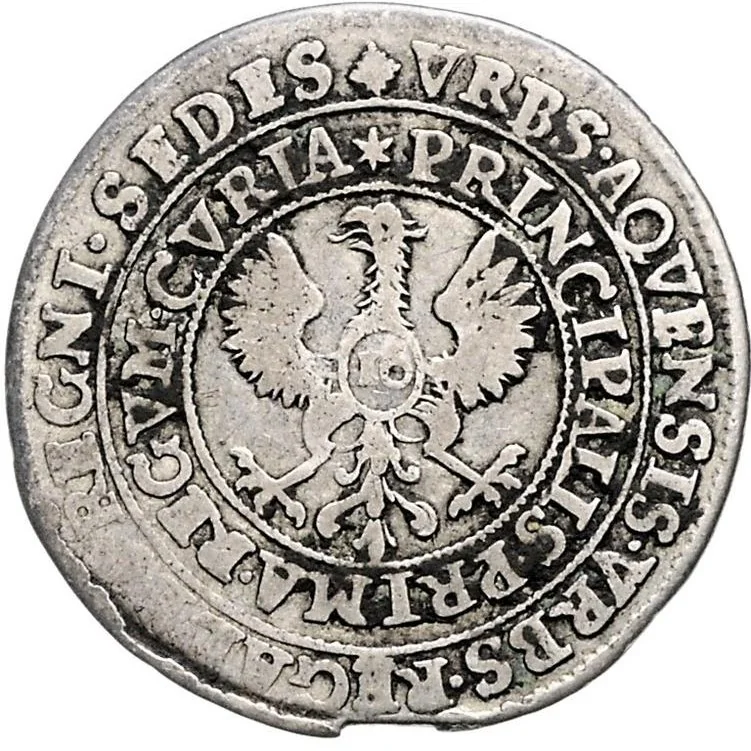
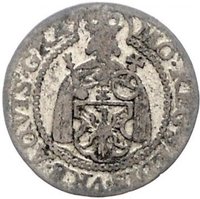
Obverse
Description:
Eagle with breastplate "16," two inscriptions.
Inscription:
VRBS AQVENSIS VRBS REGALIS REGNIS SEDES
PRINCIPALIS PRIMA REGIM CVRIA
PRINCIPALIS PRIMA REGIM CVRIA
Script: Latin
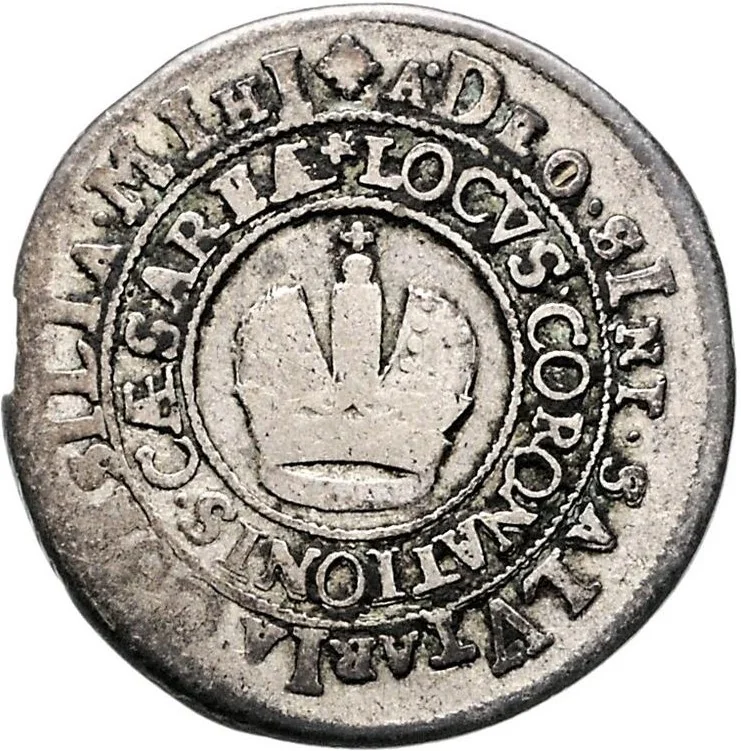
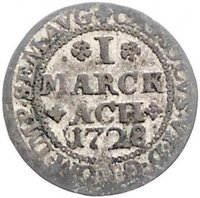
Reverse
Description:
Imperial crown, dual legends, chronogram date.
Inscription:
LOCUS CORONATIONIS CAESAREAE
A DEO SINT SALUTARIA CONSILIA MIHI
A DEO SINT SALUTARIA CONSILIA MIHI
Script: Latin
Edge
Mintings
| Year | Mint Mark | Mintage | Quality | Collection |
|---|---|---|---|---|
| 1711 | — | — |
Historical background
In 1711, the Free Imperial City of Aachen operated within the complex and fragmented monetary landscape of the Holy Roman Empire. As an imperial city, Aachen enjoyed considerable autonomy, including the right to mint its own coinage. However, its currency was not sovereign; it was part of the broader Reichsmünzordnung (Imperial Coinage Ordinance) system, which attempted to standardize monetary relations across the Empire's hundreds of territories. The city's mint produced Reichsthalers, Groschen, and Pfennigs, but their value and acceptance were heavily influenced by Aachen's economic ties and political relationships.
The practical currency situation was one of significant confusion and competition. Alongside Aachen's own coins, numerous foreign currencies circulated freely within its walls, particularly Dutch guilders and Spanish Pistoles, due to the city's proximity to the Spanish Netherlands and vibrant trade links. Furthermore, the coins of neighboring German princes and bishops were also common, leading to a constant need for money changers and published exchange rate lists. This proliferation often led to debasement concerns, as the intrinsic silver content of coins from different issuers varied, causing merchants and citizens to carefully weigh and assess the true value of their payments.
This monetary environment reflected Aachen's specific circumstances in the early 18th century. The city was still recovering from the devastating fire of 1656 and navigating the political aftermath of the War of the Spanish Succession, which had just concluded with the Treaty of Utrecht in 1713. Economic stability was paramount, and the city council actively sought to maintain the integrity of its own coinage to foster local commerce and its famous annual fairs. Nevertheless, Aachen's currency reality in 1711 was ultimately defined by the tension between its imperial obligations, the practical demands of cross-border trade, and the persistent challenge of competing monetary systems within its own marketplace.
The practical currency situation was one of significant confusion and competition. Alongside Aachen's own coins, numerous foreign currencies circulated freely within its walls, particularly Dutch guilders and Spanish Pistoles, due to the city's proximity to the Spanish Netherlands and vibrant trade links. Furthermore, the coins of neighboring German princes and bishops were also common, leading to a constant need for money changers and published exchange rate lists. This proliferation often led to debasement concerns, as the intrinsic silver content of coins from different issuers varied, causing merchants and citizens to carefully weigh and assess the true value of their payments.
This monetary environment reflected Aachen's specific circumstances in the early 18th century. The city was still recovering from the devastating fire of 1656 and navigating the political aftermath of the War of the Spanish Succession, which had just concluded with the Treaty of Utrecht in 1713. Economic stability was paramount, and the city council actively sought to maintain the integrity of its own coinage to foster local commerce and its famous annual fairs. Nevertheless, Aachen's currency reality in 1711 was ultimately defined by the tension between its imperial obligations, the practical demands of cross-border trade, and the persistent challenge of competing monetary systems within its own marketplace.
✨ Legendary