

1 skilling – Denmark
Add to wishlist
Denmark
Context
Material
References
KM: #
Numista: #26744
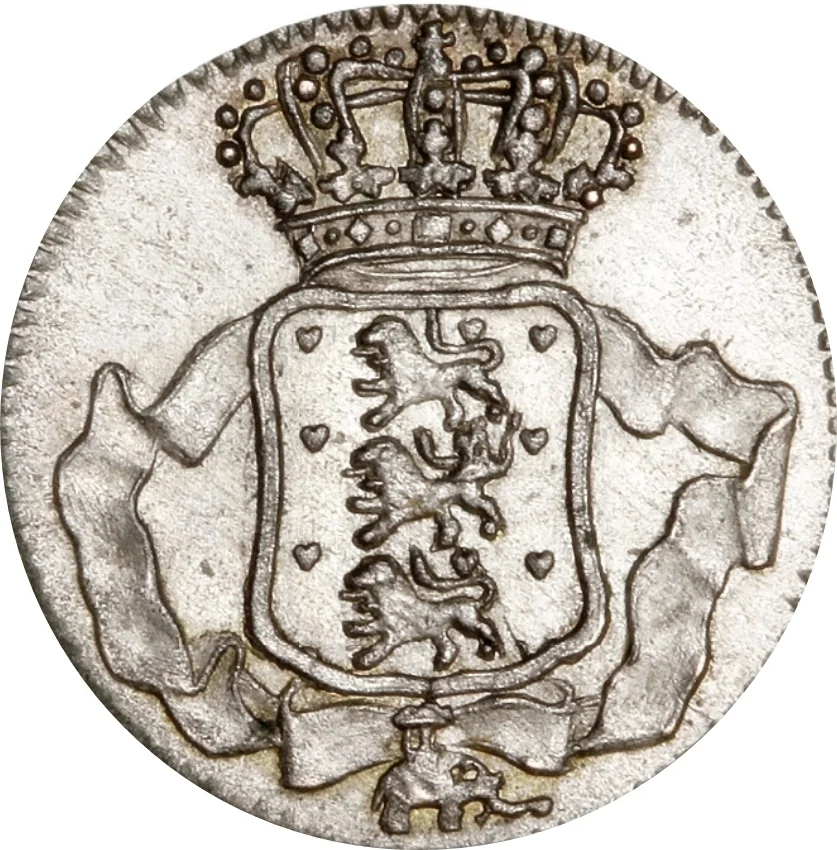
Obverse
Description:
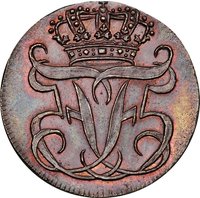
Shield bearing Denmark's arms, encircled by the Order of the Elephant.
Script: Latin
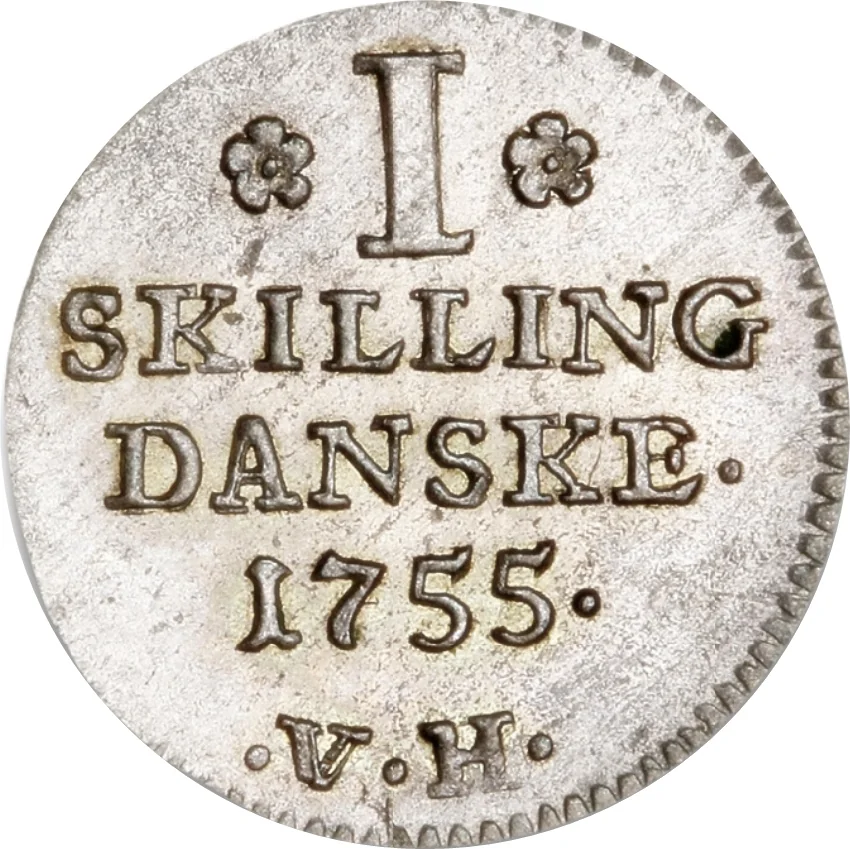
Reverse
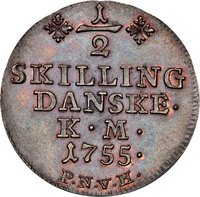
Description:
Value and date
on four lines.
Mintmaster's initials
below.
on four lines.
Mintmaster's initials
below.
Inscription:
* I *
SKILLING
DANSKE
1755
· V · H ·
SKILLING
DANSKE
1755
· V · H ·
Script: Latin
Edge
Categories
| Symbols> Coat of Arms |
Mints
| Name | Mark |
|---|---|
| Royal Danish Mint | — |
Mintings
| Year | Mint Mark | Mintage | Quality | Collection |
|---|---|---|---|---|
| 1751 | — | — | ||
| 1755 | — | — | ||
| 1761 | — | — | ||
| 1762 | — | — | ||
| 1763 | — | — | ||
| 1764 | — | — |
Historical background
In 1751, Denmark operated under a silver-based monetary system, yet the reality was one of significant complexity and disorder. The primary unit was the rigsdaler, subdivided into 96 skilling. However, the kingdom's currency was not uniform; a plethora of older, debased coins from various regions and mints remained in circulation alongside newer issues. Furthermore, the Danish state was financially strained from decades of war and economic mismanagement, leading to a chronic shortage of high-quality, full-weight specie. This scarcity encouraged clipping and counterfeiting, eroding public trust in the coinage.
The situation was exacerbated by the circulation of foreign coins, particularly German and Dutch, which were essential for trade but introduced fluctuating exchange rates. To manage this chaos, the authorities regularly issued "kuranter" or exchange rate bulletins, which listed the official values of dozens of different coin types in relation to the rigsdaler. These rates changed frequently, creating a cumbersome environment for commerce. The system was effectively bimetallic in practice, with both silver and gold coins (like the Frederik d'or) in use, but without a stable legal ratio, causing Gresham's Law ("bad money drives out good") to persistently drain full-weight coins from circulation.
This monetary instability was a symptom of broader fiscal woes and contributed to economic inefficiency. While the mid-18th century was a period of mercantilist policy and growing trade, the chaotic currency presented a constant obstacle. The need for reform was clear, and the state would undertake several monetary reorganizations later in the century, most notably with the establishment of the Rigsbank in 1737 and more comprehensive reforms under King Christian VII in the 1770s. Thus, 1751 represents a point within a prolonged period of monetary struggle, characteristic of many European states before the advent of standardized national currencies.
The situation was exacerbated by the circulation of foreign coins, particularly German and Dutch, which were essential for trade but introduced fluctuating exchange rates. To manage this chaos, the authorities regularly issued "kuranter" or exchange rate bulletins, which listed the official values of dozens of different coin types in relation to the rigsdaler. These rates changed frequently, creating a cumbersome environment for commerce. The system was effectively bimetallic in practice, with both silver and gold coins (like the Frederik d'or) in use, but without a stable legal ratio, causing Gresham's Law ("bad money drives out good") to persistently drain full-weight coins from circulation.
This monetary instability was a symptom of broader fiscal woes and contributed to economic inefficiency. While the mid-18th century was a period of mercantilist policy and growing trade, the chaotic currency presented a constant obstacle. The need for reform was clear, and the state would undertake several monetary reorganizations later in the century, most notably with the establishment of the Rigsbank in 1737 and more comprehensive reforms under King Christian VII in the 1770s. Thus, 1751 represents a point within a prolonged period of monetary struggle, characteristic of many European states before the advent of standardized national currencies.
🌟 Limited