

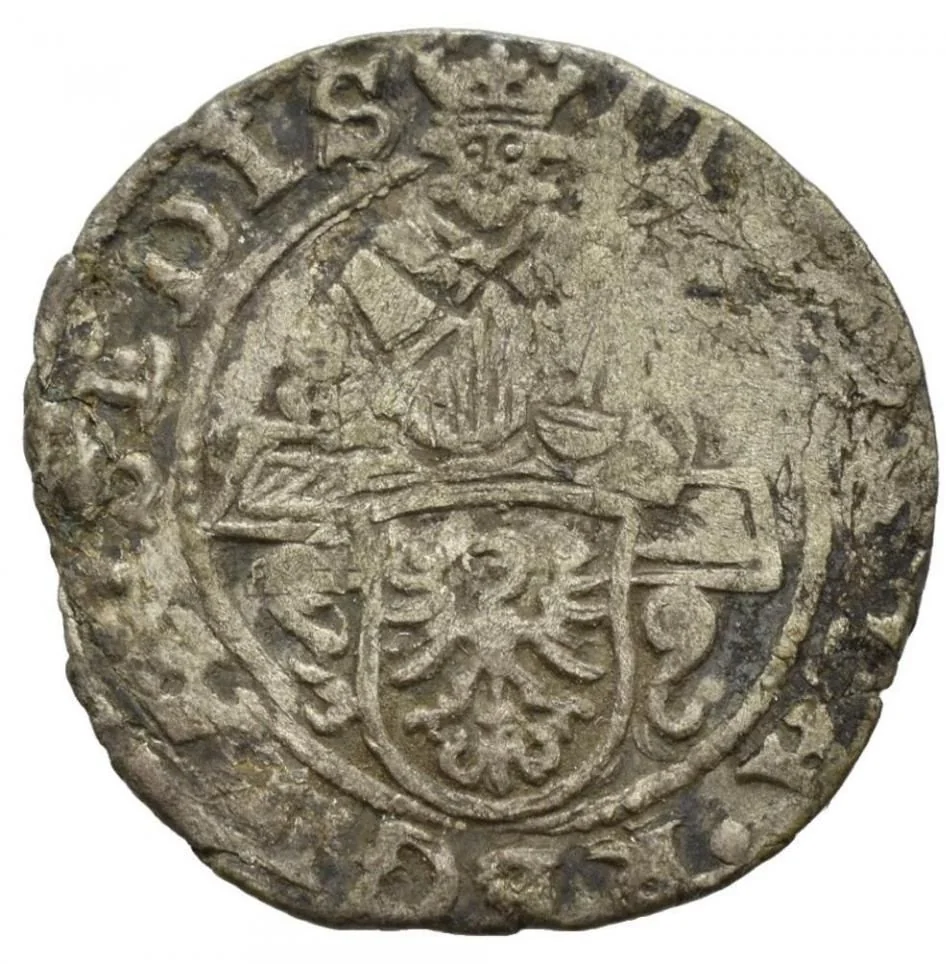

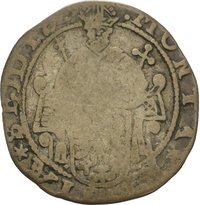
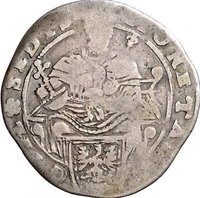
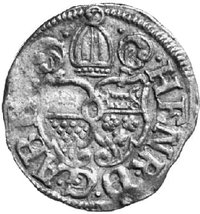
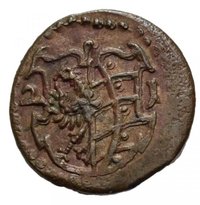
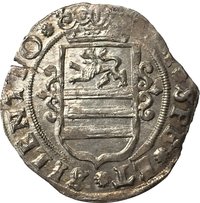
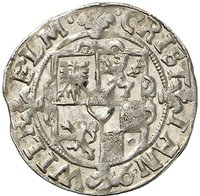
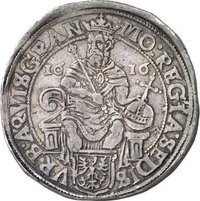
Obverse
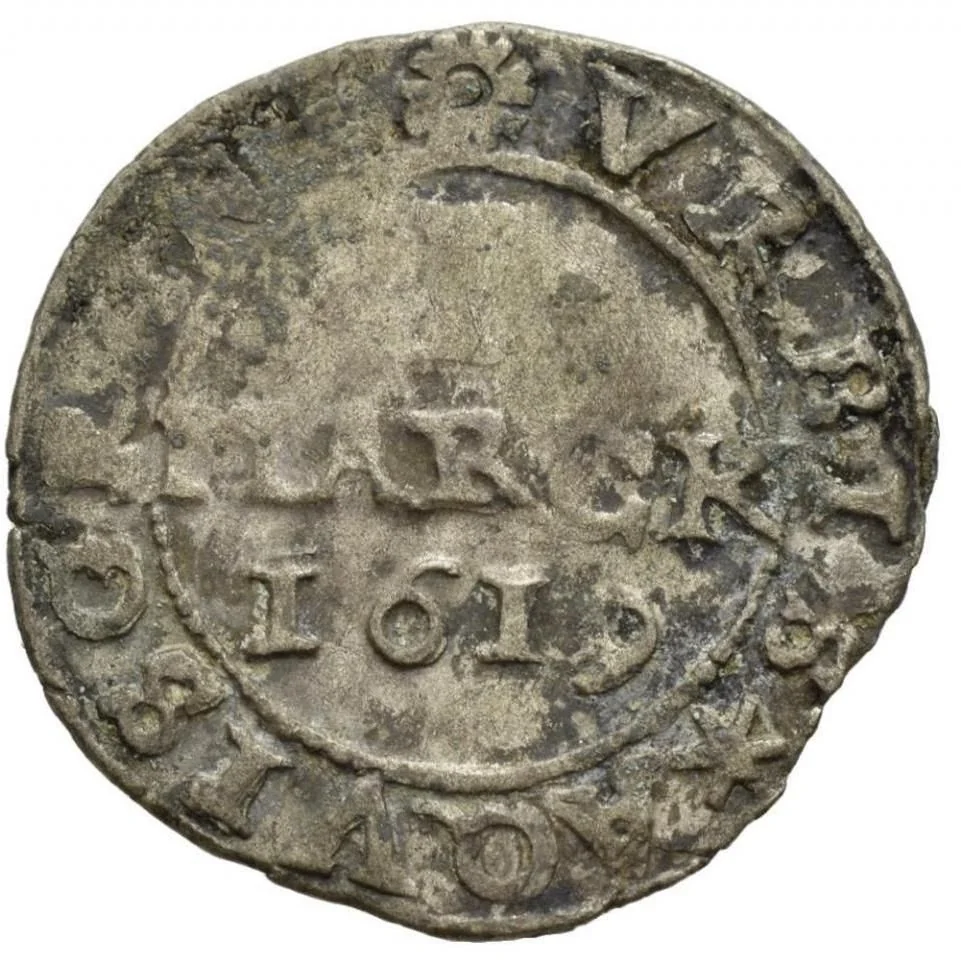
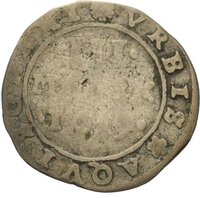
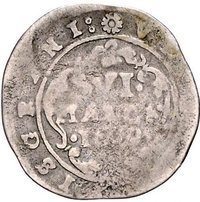
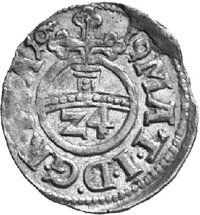
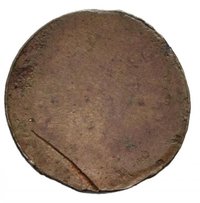
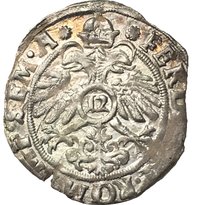
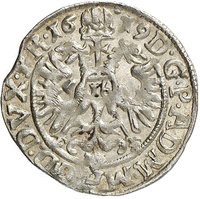
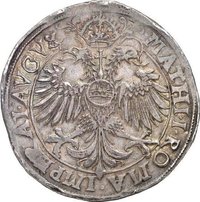
Reverse
Description:
Inscription: three lines of value and date within a circle, surrounded by a legend.
Inscription:
VRBIS AQVIS GRANI
1 MARCK
1619
1 MARCK
1619
Script: Latin
Edge
Mints
| Name | Mark |
|---|---|
| Aachen | — |
Mintings
| Year | Mint Mark | Mintage | Quality | Collection |
|---|---|---|---|---|
| 1619 | — | — | ||
| 1620 | — | — | ||
| 1621 | — | — |
Historical background
In 1619, the Free Imperial City of Aachen operated within the complex and fragmented monetary landscape of the Holy Roman Empire. As an imperial city, Aachen enjoyed self-governance and economic prominence, largely due to its historic status, thriving cloth trade, and pilgrimage traffic. However, it did not possess the right of Münzregal (coinage privilege) independently; this authority was held by the local territorial lord, the Duke of Jülich, whose lands encircled the city. Consequently, Aachen's currency circulation was a mixture of coins minted under the Duke's authority and a vast array of foreign coins brought by trade and pilgrims, including Reichsthalers, Guldengroschen, and various smaller regional denominations.
The year 1619 fell on the precipice of the Thirty Years' War, a period of mounting economic uncertainty. While full-scale war had not yet reached the Lower Rhine, financial strains were intensifying. The Empire attempted to standardize currency through the Reichsmünzordnung (Imperial Coinage Ordinance), but these regulations were widely ignored, leading to chronic instability. For Aachen's merchants and magistrates, this meant constant challenges with fluctuating exchange rates, debased coins, and the problem of determining the true value of numerous circulating currencies. This "bad money" problem complicated daily commerce and civic finance, requiring vigilant oversight from the city council.
Despite these challenges, Aachen's economy remained relatively resilient in 1619. The city council actively managed monetary policy by issuing periodic Münztaxen (official exchange rate tables) to fix the values of the myriad coins in use, attempting to create local order amidst imperial chaos. This practice was crucial for stabilizing market transactions and municipal budgeting. Thus, Aachen's currency situation was defined by a tension between its vibrant international economic role and the constraints of its dependent minting rights, all set against a backdrop of growing regional instability that would soon be tested by the coming decades of conflict.
The year 1619 fell on the precipice of the Thirty Years' War, a period of mounting economic uncertainty. While full-scale war had not yet reached the Lower Rhine, financial strains were intensifying. The Empire attempted to standardize currency through the Reichsmünzordnung (Imperial Coinage Ordinance), but these regulations were widely ignored, leading to chronic instability. For Aachen's merchants and magistrates, this meant constant challenges with fluctuating exchange rates, debased coins, and the problem of determining the true value of numerous circulating currencies. This "bad money" problem complicated daily commerce and civic finance, requiring vigilant oversight from the city council.
Despite these challenges, Aachen's economy remained relatively resilient in 1619. The city council actively managed monetary policy by issuing periodic Münztaxen (official exchange rate tables) to fix the values of the myriad coins in use, attempting to create local order amidst imperial chaos. This practice was crucial for stabilizing market transactions and municipal budgeting. Thus, Aachen's currency situation was defined by a tension between its vibrant international economic role and the constraints of its dependent minting rights, all set against a backdrop of growing regional instability that would soon be tested by the coming decades of conflict.
Series: Kipper and Wipper
✨ Legendary