

½ Trentin – Principality of Catalonia
Spain
Context


Material
Diameter: 22 mm
Weight: 3.5 g
Gold weight: 3.46 g
Shape: Irregular round
Composition: 99% Gold
Magnetic: No
Technique: Hammered
References
KM: #Click to copy to clipboard16
Numista: #110650
Value
Bullion value: $577.73
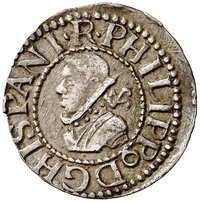
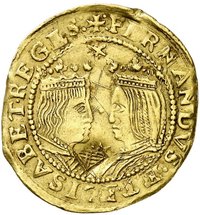
Obverse
Description:
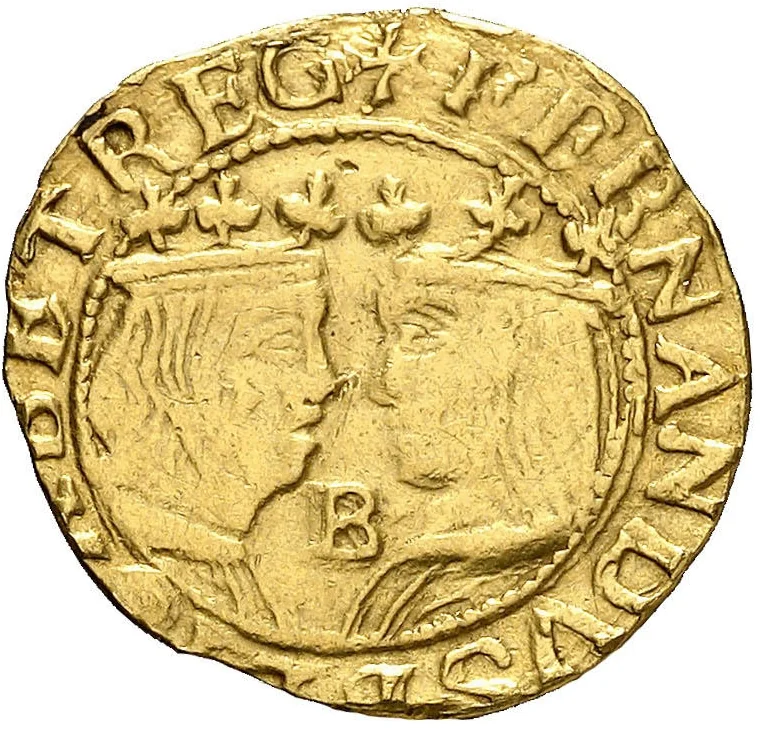
Facing crowned busts. Circular legend between beaded borders.
Inscription:
+FERNANDVS·ELISABET·REG
Script: Latin
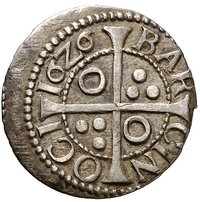
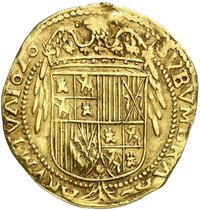
Reverse
Description:
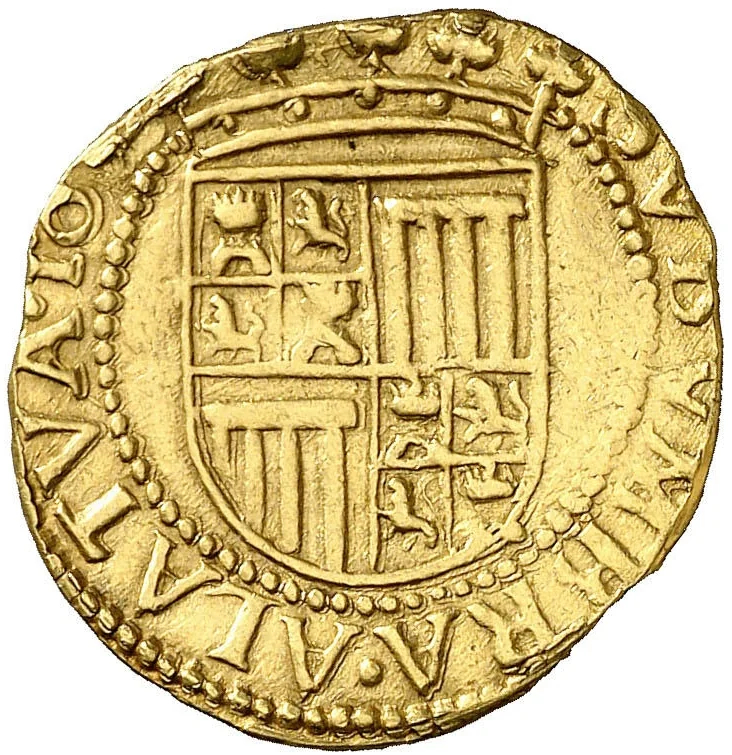
Spread-winged eagle behind crowned shield. Circular legend between beaded borders.
Inscription:
SVB VMBRA ALARVM TVA·1630
Script: Latin
Edge
Mints
| Name | Mark |
|---|---|
| Barcelona Mint / La Seca | — |
Mintings
| Year | Mint Mark | Mintage | Quality | Collection |
|---|---|---|---|---|
| 1626 | B | — | ||
| 1627 | B | — | ||
| 1630 | B | — | ||
| 1631 | B | — | ||
| 1632 | B | — |
Historical background
In 1626, the Principality of Catalonia operated within the complex monetary system of the Spanish Habsburg monarchy, but with significant local autonomy. The principality minted its own currency at the Barcelona mint, primarily issuing silver reals and gold escuts, which circulated alongside a plethora of foreign coins, particularly Castilian reales and Portuguese cruzados. This created a bimetallic system where the official exchange rates between gold, silver, and billon (debased coinage) were frequently set by the Generalitat (Catalan government) and the municipal authorities of Barcelona, often in response to market pressures and royal demands.
The period was one of increasing monetary tension. The Crown in Madrid, engaged in the costly Thirty Years' War, consistently pressured Catalonia for greater financial contributions and sought to manipulate currency values for its own benefit. This often meant attempts to align the Catalan currency with the Castilian system, which was suffering from inflationary pressures due to the influx of American silver and repeated debasements. Catalonia fiercely resisted these impositions, viewing control over its coinage as a crucial element of its constitutional rights (furs), leading to frequent disputes between the Corts Catalanes (parliament) and the royal viceroy.
Consequently, the currency situation was marked by instability and distrust. Unofficial "black market" exchange rates commonly diverged from official proclamations, causing confusion in commerce. The underlying struggle was not merely economic but profoundly political: the defense of Catalan monetary autonomy symbolized the broader conflict between the centralizing absolutist ambitions of the Crown and the traditional pact-based governance of the principality. This friction over finance would be a significant contributing factor to the major crises that would erupt in the following decade, culminating in the Reapers' War of 1640.
The period was one of increasing monetary tension. The Crown in Madrid, engaged in the costly Thirty Years' War, consistently pressured Catalonia for greater financial contributions and sought to manipulate currency values for its own benefit. This often meant attempts to align the Catalan currency with the Castilian system, which was suffering from inflationary pressures due to the influx of American silver and repeated debasements. Catalonia fiercely resisted these impositions, viewing control over its coinage as a crucial element of its constitutional rights (furs), leading to frequent disputes between the Corts Catalanes (parliament) and the royal viceroy.
Consequently, the currency situation was marked by instability and distrust. Unofficial "black market" exchange rates commonly diverged from official proclamations, causing confusion in commerce. The underlying struggle was not merely economic but profoundly political: the defense of Catalan monetary autonomy symbolized the broader conflict between the centralizing absolutist ambitions of the Crown and the traditional pact-based governance of the principality. This friction over finance would be a significant contributing factor to the major crises that would erupt in the following decade, culminating in the Reapers' War of 1640.
✨ Legendary