

1 Speciedaler – Norway
Norway
Context
Years: 1653–1656
Issuer: Norway 
Ruler: Frederick III
Currency:
(1523—1746)
Demonetized: Yes
Total mintage: 61,000
Material
References
KM: #Click to copy to clipboard48
Numista: #100607
Value
Bullion value: $71.57
Obverse
Description:
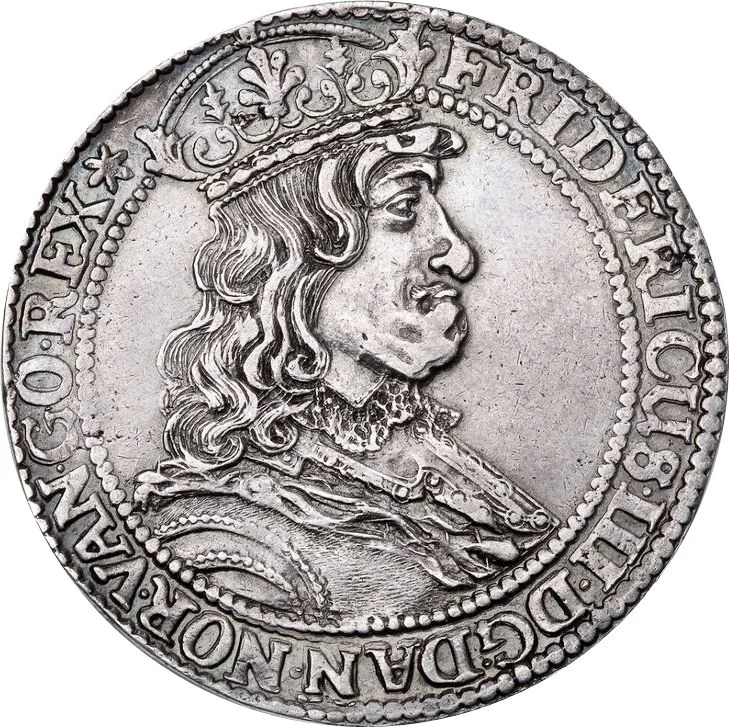
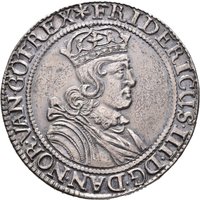
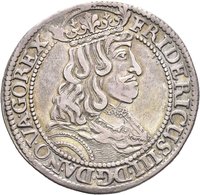
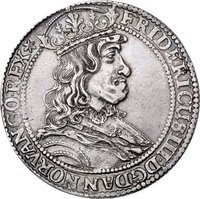
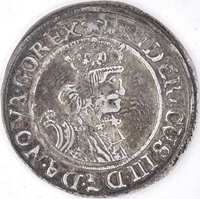
Right-facing crowned bust of Frederick III with long hair within a beaded circle and inscription. Beaded rim.
Inscription:
FRIDERICUS·III·DG·DAN·NOR·VAN·GO·REX✽
Script: Latin
Reverse
Description:
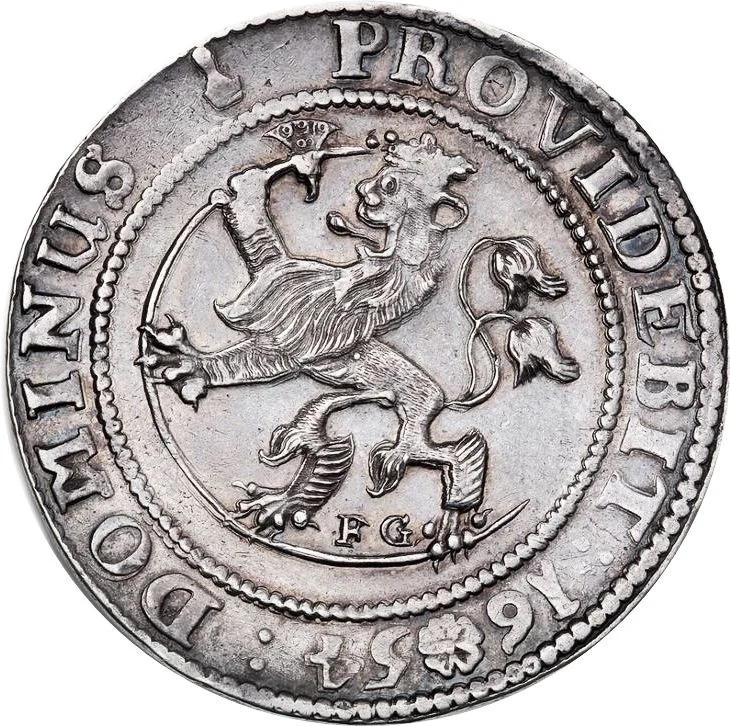
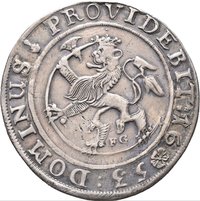
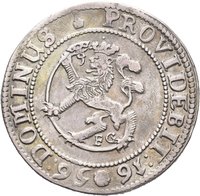
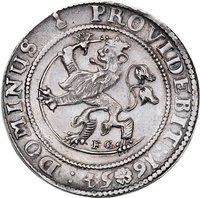
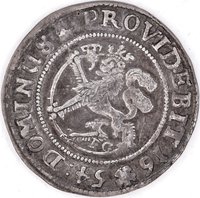
A crowned two-tailed lion rampant left, holding a curved halberd, within a beaded ring and inscription.
Inscription:
:DOMINUS (mm) PROVIDEBIT:16🏵54
FG
FG
Script: Latin
Edge
Plain.
Categories
| Animal |
| Person> Monarch |
| Symbol> Crown |
| Symbols> Coat of Arms |
| Object> Cold weapons |
Mints
| Name | Mark |
|---|---|
| Christiania | — |
Mintings
| Year | Mint Mark | Mintage | Quality | Collection |
|---|---|---|---|---|
| 1653 | — | — | ||
| 1654 | — | 23,000 | ||
| 1655 | — | 20,000 | ||
| 1656 | — | 18,000 |
Historical background
In 1653, Norway, then in a union with Denmark under the absolute monarchy of Frederik III, operated within a complex and strained monetary system. The primary circulating coin was the silver riksdaler, but its value was unstable due to frequent debasement—reducing the silver content to generate revenue for the state treasury. This practice, alongside a chronic shortage of small change for everyday transactions, created significant practical difficulties for merchants and the general populace, hindering commerce and fostering distrust in the currency.
The situation was further complicated by the widespread use of foreign coins, particularly German and Dutch, which circulated freely due to Norway's active international trade in timber, fish, and metals. These foreign coins often had more reliable intrinsic value than the debased domestic issues, leading to Gresham's Law in action: "bad money drives out good." People hoarded the full-value foreign coins and older Norwegian silver, leaving the poorer-quality new coins as the primary medium of exchange, which exacerbated inflation and economic uncertainty.
This monetary instability occurred against a backdrop of ongoing financial strain from Denmark-Norway's involvement in the Northern Wars. The state's need to fund its military endeavors directly contributed to the debasement policy. Consequently, 1653 represents a point within a longer period of monetary turmoil that would eventually lead to a major currency reform in 1625 with the introduction of the kurantdaler, a forerunner to the modern krone, though challenges of value and trust persisted throughout the 17th century.
The situation was further complicated by the widespread use of foreign coins, particularly German and Dutch, which circulated freely due to Norway's active international trade in timber, fish, and metals. These foreign coins often had more reliable intrinsic value than the debased domestic issues, leading to Gresham's Law in action: "bad money drives out good." People hoarded the full-value foreign coins and older Norwegian silver, leaving the poorer-quality new coins as the primary medium of exchange, which exacerbated inflation and economic uncertainty.
This monetary instability occurred against a backdrop of ongoing financial strain from Denmark-Norway's involvement in the Northern Wars. The state's need to fund its military endeavors directly contributed to the debasement policy. Consequently, 1653 represents a point within a longer period of monetary turmoil that would eventually lead to a major currency reform in 1625 with the introduction of the kurantdaler, a forerunner to the modern krone, though challenges of value and trust persisted throughout the 17th century.
Series: 1653 Norway circulation coins
✨ Legendary