

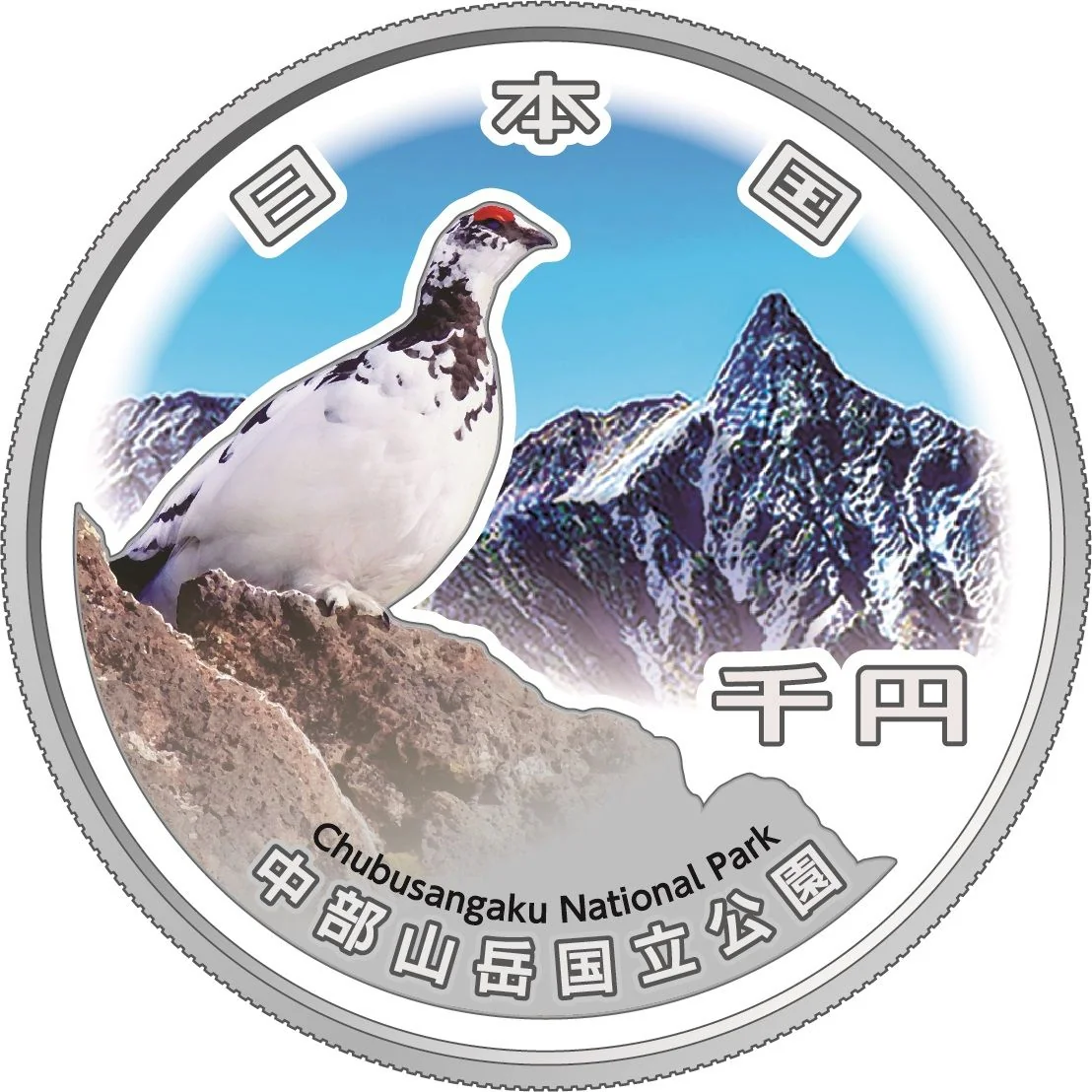

1000 yen (National Park System) – Japan
Add to wishlist
Non-circulating coins
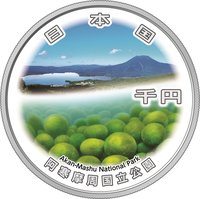
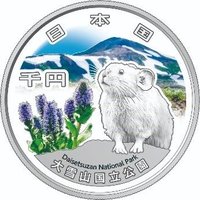
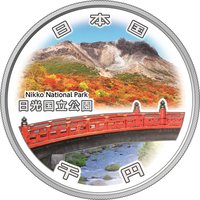
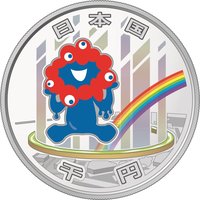
Commemoration: 100th Anniversary of the National Park System
Series: National Parks of Japan
Japan
Context
Year: 2025
Japanese - Reiwa era Year:: 7
Issuer: Japan
Ruler: Reiwa
Currency:
(since 1871)
Total mintage: 40,000
Material
Diameter: 40 mm
Weight: 31.1 g
Silver Weight:: 31.07 g
Shape: Round
Composition: 99.9% Silver
Standard: Silver ounce
Magnetic: No
Alignment: Medal alignment
flip

References
Numista: #472934
Value
Exchange value: 1000 JPY
Bullion value: $75.53
Obverse
Reverse
Edge
Slanted reeding right
Mints
| Name | Mark |
|---|---|
| Japan Mint | — |
Mintings
| Year | Mint Mark | Mintage | Quality | Collection |
|---|---|---|---|---|
| 2025 | — | 40,000 | Proof |
Historical background
In 2025, Japan's currency landscape remains defined by the persistent tension between a historically weak yen and the Bank of Japan's (BOJ) cautious path toward monetary policy normalization. The yen, which plunged to multi-decade lows against the U.S. dollar in 2023-2024, has stabilized but remains at levels that continue to strain household budgets through high import costs, particularly for energy and food. While this weakness has been a boon for major exporters and the tourism sector, the net effect on the domestic economy has been inflationary pressure that outpaces wage growth for many, creating a complex economic backdrop for policymakers.
The core of the situation lies in the BOJ's gradual exit from its long-held ultra-loose monetary stance, including negative interest rates and yield curve control. Having ended negative rates in early 2024, the central bank in 2025 is navigating a delicate balancing act: raising rates too quickly could destabilize Japan's massive public debt burden and choke off fragile economic recovery, while moving too slowly risks perpetuating yen vulnerability and imported inflation. This "dovish tightening" has kept a significant interest rate differential with the United States, limiting the yen's ability to stage a strong, fundamental rebound.
Looking forward, the currency's trajectory in 2025 hinges on several factors beyond domestic rates. These include the pace of U.S. Federal Reserve policy, global risk sentiment, and the success of Japan's corporate governance reforms in attracting sustained foreign direct investment. The government continues intermittent FX interventions to smooth volatility, but the overarching goal is a transition to a stronger yen driven by organic economic health—specifically, sustained demand-driven inflation and real wage growth—rather than market intervention alone. The year is thus a critical test of whether Japan can finally escape its decades-long deflationary mindset without triggering new financial instability.
The core of the situation lies in the BOJ's gradual exit from its long-held ultra-loose monetary stance, including negative interest rates and yield curve control. Having ended negative rates in early 2024, the central bank in 2025 is navigating a delicate balancing act: raising rates too quickly could destabilize Japan's massive public debt burden and choke off fragile economic recovery, while moving too slowly risks perpetuating yen vulnerability and imported inflation. This "dovish tightening" has kept a significant interest rate differential with the United States, limiting the yen's ability to stage a strong, fundamental rebound.
Looking forward, the currency's trajectory in 2025 hinges on several factors beyond domestic rates. These include the pace of U.S. Federal Reserve policy, global risk sentiment, and the success of Japan's corporate governance reforms in attracting sustained foreign direct investment. The government continues intermittent FX interventions to smooth volatility, but the overarching goal is a transition to a stronger yen driven by organic economic health—specifically, sustained demand-driven inflation and real wage growth—rather than market intervention alone. The year is thus a critical test of whether Japan can finally escape its decades-long deflationary mindset without triggering new financial instability.
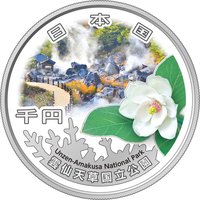
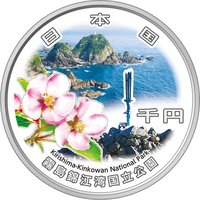
Series: National Parks of Japan







✨ Legendary