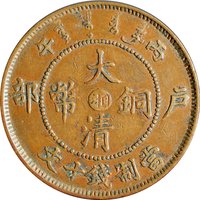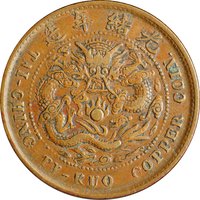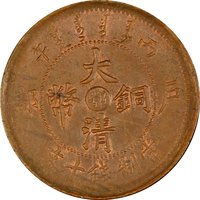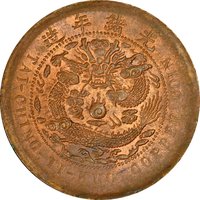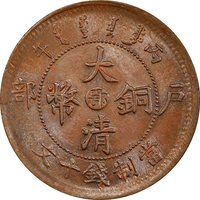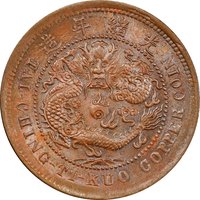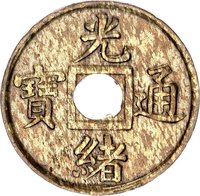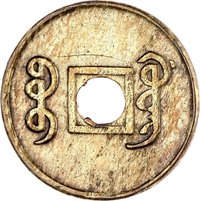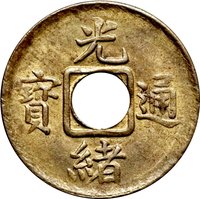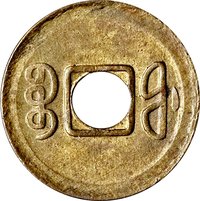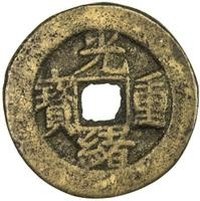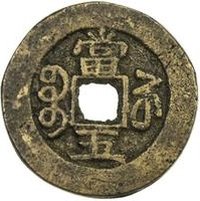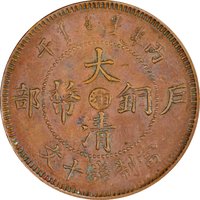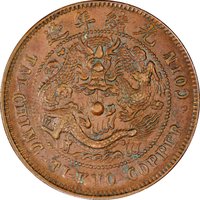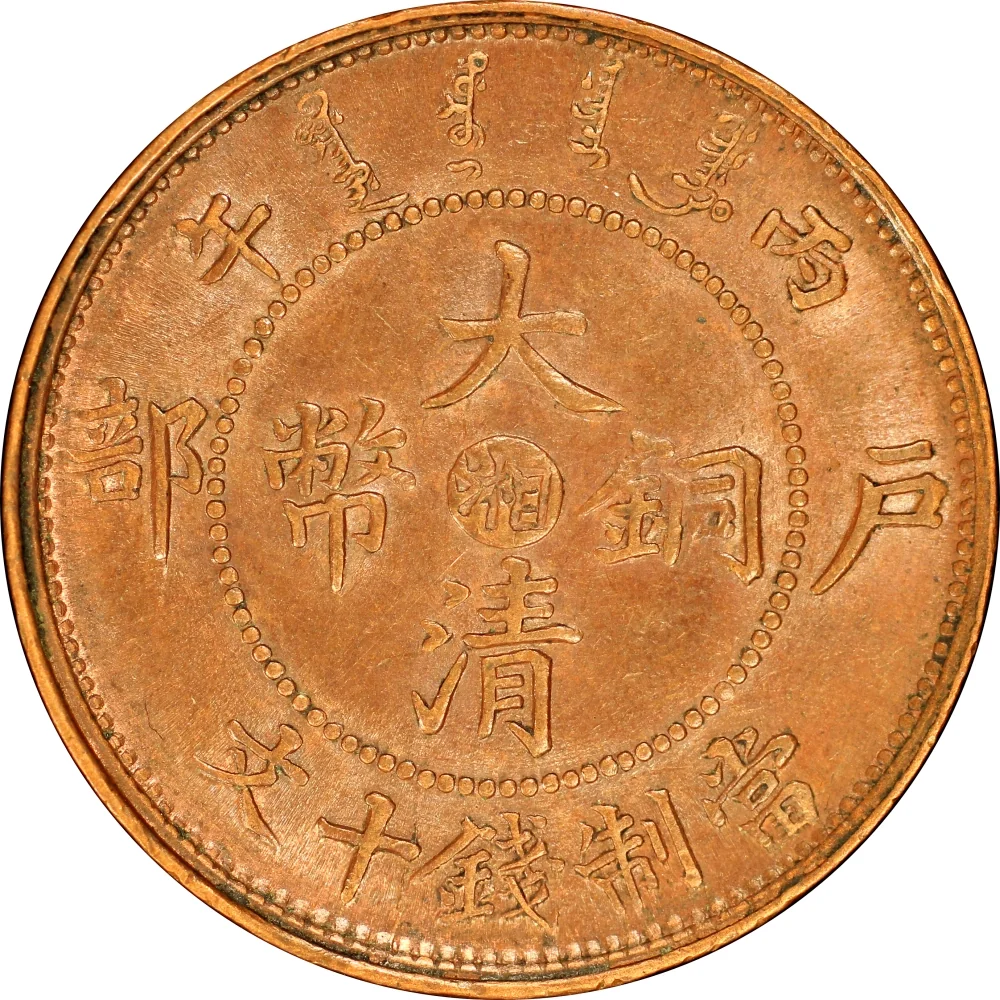
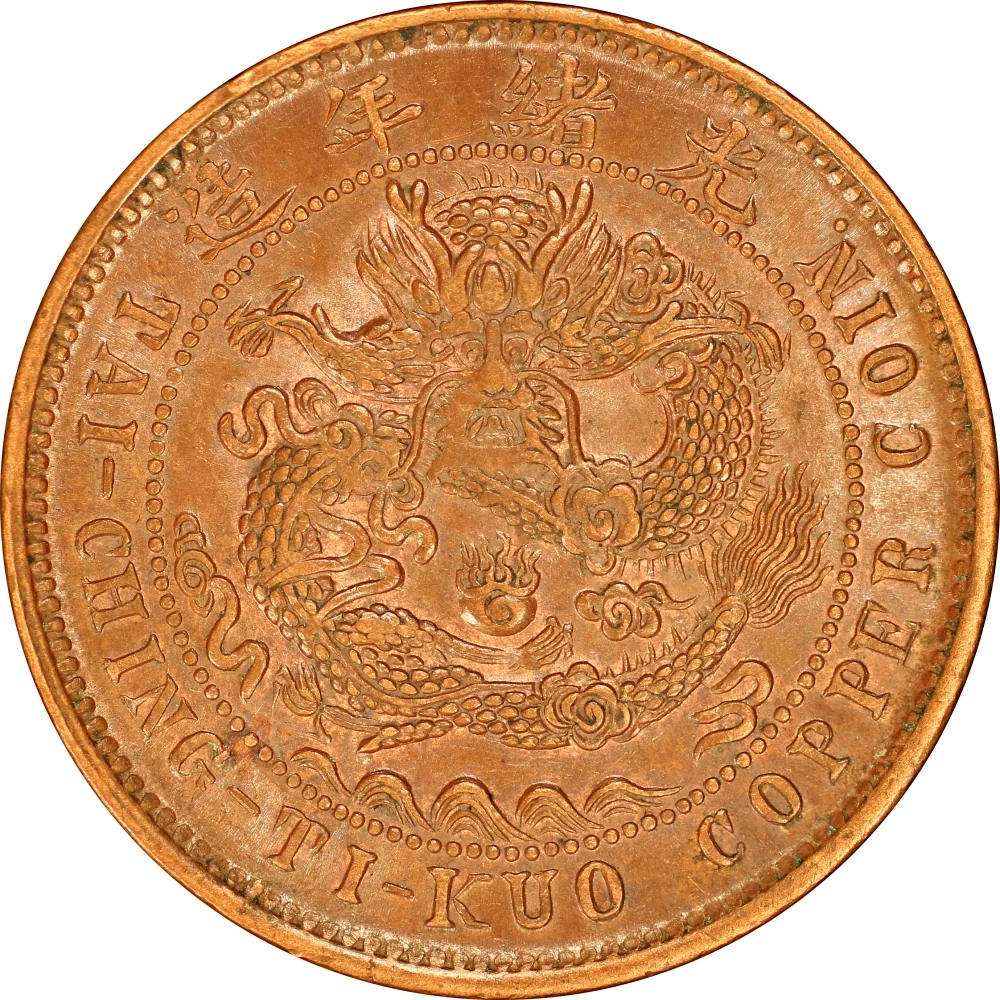
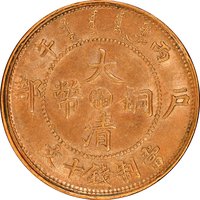
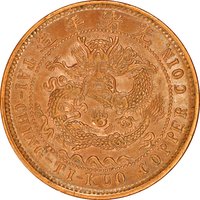
In 1906, the currency system of the Qing Empire was a chaotic and destabilizing force, reflecting the dynasty's broader administrative and financial decay. The empire lacked a unified national currency, operating instead on a complex and regionally fragmented system. The primary mediums included silver sycee (ingots weighed in
taels), copper-alloy
cash coins for daily small transactions, and a growing influx of foreign-minted silver dollars, particularly the Mexican peso, which circulated widely due to their standardized weight and reliability. This multiplicity created severe complications for taxation, inter-provincial trade, and government accounting, as constant conversion between units was required.
Imperial authorities recognized this monetary disarray as a critical threat to economic sovereignty and modernization efforts. Reforms had been attempted, most notably the failed "New Currency" system of 1890 and the establishment of imperial mints. By 1906, the newly created Ministry of Finance was actively pushing for a radical standardization: the adoption of a decimal-based silver yuan to replace the tael, and new copper and silver coins to phase out old cash and foreign dollars. This was part of a last-ditch "New Policies" reform package aimed at centralizing power and staving off collapse.
However, these reforms faced immense practical and political obstacles. Provincial mints often operated independently, issuing coins of inconsistent quality and value, while powerful provincial governors and foreign interests resisted centralization. Furthermore, the government's severe fiscal deficits, exacerbated by indemnity payments from the Boxer Protocol, undermined confidence in any new currency. Thus, in 1906, the currency situation was one of transition and profound crisis—caught between an archaic, crumbling system and an ambitious but faltering modernizing scheme, all while the empire's financial foundations steadily eroded.