



10000 yen – Japan
Add to wishlist
Japan
Context
Material
Diameter: 26 mm
Weight: 15.6 g
Gold Weight:: 15.58 g
Shape: Round
Composition: 99.9% Gold
Standard: Silver half ounce
Magnetic: No
Technique: Milled
Alignment: Medal alignment

flip

References
Y: #
Numista: #193677
Value
Exchange value: 10000 JPY
Bullion value: $2390.91
Inflation-adjusted value: 10925.30 JPY
Obverse
Description:
Victory as Nomi no Sukune and Glory as a Greek goddess flank kanji expressing sport's philosophy.
Inscription:
日 本 国
心
技
体
壱 万 円
心
技
体
壱 万 円
Translation:
JAPAN
Spirit
Technique
Body
Ten Thousand Yen
Spirit
Technique
Body
Ten Thousand Yen
Language: Japanese
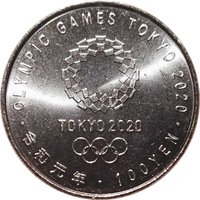
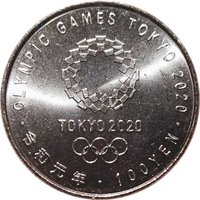
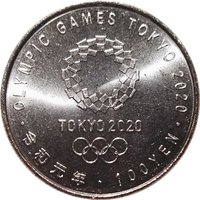
Reverse
Edge
Slanted reeding
Categories
| Sport> Summer Olympic Games |
Mints
| Name | Mark |
|---|---|
| Japan Mint | — |
Mintings
| Year | Mint Mark | Mintage | Quality | Collection |
|---|---|---|---|---|
| 2019 | — | 40,000 | Proof | |
| 2020 | — | 1,000 | Proof |
Historical background
In 2019, Japan's currency situation was characterized by a persistent environment of ultra-low interest rates and a yen that fluctuated significantly in response to global risk sentiment. The Bank of Japan (BOJ) maintained its aggressive monetary easing policy, a cornerstone of "Abenomics," keeping short-term interest rates at -0.1% and targeting the 10-year government bond yield around zero. This policy divergence from other major central banks, particularly the U.S. Federal Reserve which had been hiking rates until mid-2019, created a wide interest rate differential that traditionally pressured the yen lower. However, the yen's role as a classic safe-haven currency frequently counteracted this pressure.
Throughout the year, the yen's value was largely driven by external factors rather than domestic economic strength. The first half saw relative yen weakness, with USD/JPY climbing toward the 112 level as global risk appetite improved and trade tensions between the U.S. and China showed signs of easing. This dynamic reversed sharply in the second half, particularly in the third quarter, as global growth fears intensified and market volatility spiked. The yen appreciated notably, breaching the 105 mark against the dollar, as investors sought its safety amid mounting concerns over a potential global recession and escalating U.S.-China trade war.
Domestically, the BOJ faced a complex challenge. While the weak yen had historically benefited Japan's export-driven economy, its inflationary impact remained muted, with core CPI struggling to sustain momentum toward the bank's 2% target. This "lowflation" environment trapped the BOJ, leaving it with little room to adjust its stimulus framework despite growing concerns over the prolonged negative effects on bank profitability and market functioning. Consequently, 2019 ended with the yen stronger than at the start of the year and the BOJ firmly entrenched in its defensive position, underscoring the limited effectiveness of its tools in achieving sustained inflation and the currency's ultimate dependence on global risk flows.
Throughout the year, the yen's value was largely driven by external factors rather than domestic economic strength. The first half saw relative yen weakness, with USD/JPY climbing toward the 112 level as global risk appetite improved and trade tensions between the U.S. and China showed signs of easing. This dynamic reversed sharply in the second half, particularly in the third quarter, as global growth fears intensified and market volatility spiked. The yen appreciated notably, breaching the 105 mark against the dollar, as investors sought its safety amid mounting concerns over a potential global recession and escalating U.S.-China trade war.
Domestically, the BOJ faced a complex challenge. While the weak yen had historically benefited Japan's export-driven economy, its inflationary impact remained muted, with core CPI struggling to sustain momentum toward the bank's 2% target. This "lowflation" environment trapped the BOJ, leaving it with little room to adjust its stimulus framework despite growing concerns over the prolonged negative effects on bank profitability and market functioning. Consequently, 2019 ended with the yen stronger than at the start of the year and the BOJ firmly entrenched in its defensive position, underscoring the limited effectiveness of its tools in achieving sustained inflation and the currency's ultimate dependence on global risk flows.
Series: 2020 Olympics, Tokyo













✨ Legendary