

5 fen – Anhwei Province
Add to wishlist
China
Context
Year: 1899
Chinese - Guangxu era Year:: 25
Country: China
Issuer: Anhwei Province
Ruler: Guangxu
Currency:
(1897—1949)
Demonetized: Yes
Material
References
Y: #
Numista: #17680
Value
Bullion value: $2.77
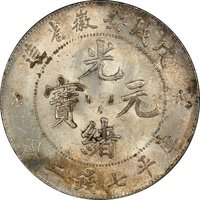
Obverse
Description:
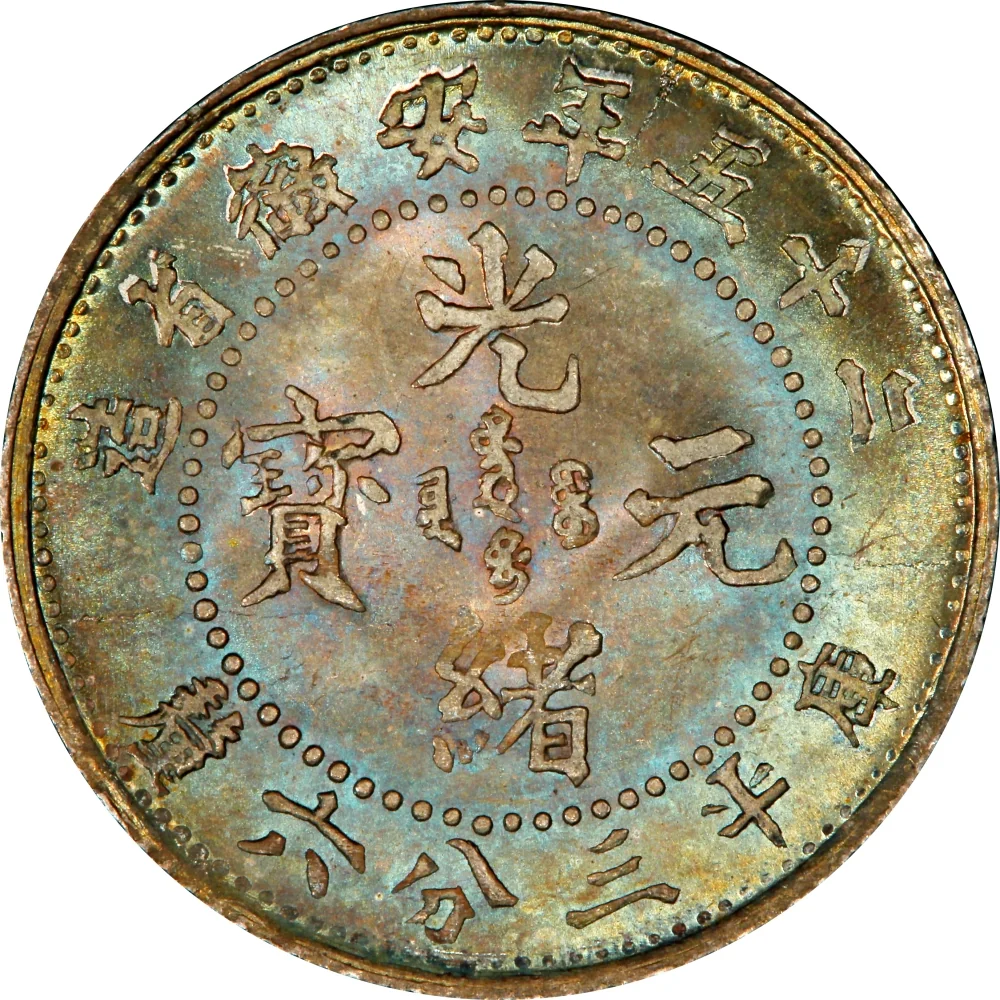
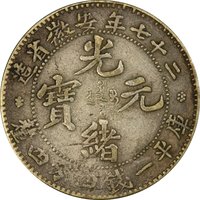
Chinese ideograms top to bottom, right to left, with central Manchu text, all encircled by more Chinese characters.
Inscription:
造省徽安年五十二
光
ᠪᠠᡩᠠᡵᠠᠩᡤᠠ
寶 ᠶᡠᠸᠠᠨ ᠪᠣᠣ 元
ᡩᠣᡵᠣ
緒
釐六分三平庫
光
ᠪᠠᡩᠠᡵᠠᠩᡤᠠ
寶 ᠶᡠᠸᠠᠨ ᠪᠣᠣ 元
ᡩᠣᡵᠣ
緒
釐六分三平庫
Translation:
Made by the Board of Revenue in the 52nd year of Xianfeng's reign
Badarangga
Yuan Bao
Doro
XU
Three Fen Six Li, Pingku Standard
Badarangga
Yuan Bao
Doro
XU
Three Fen Six Li, Pingku Standard
Scripts: Chinese, Mongolian / Manchu
Languages: Manchu, Classical Chinese
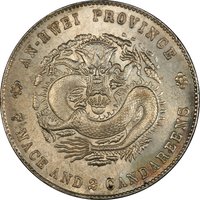
Reverse
Description:
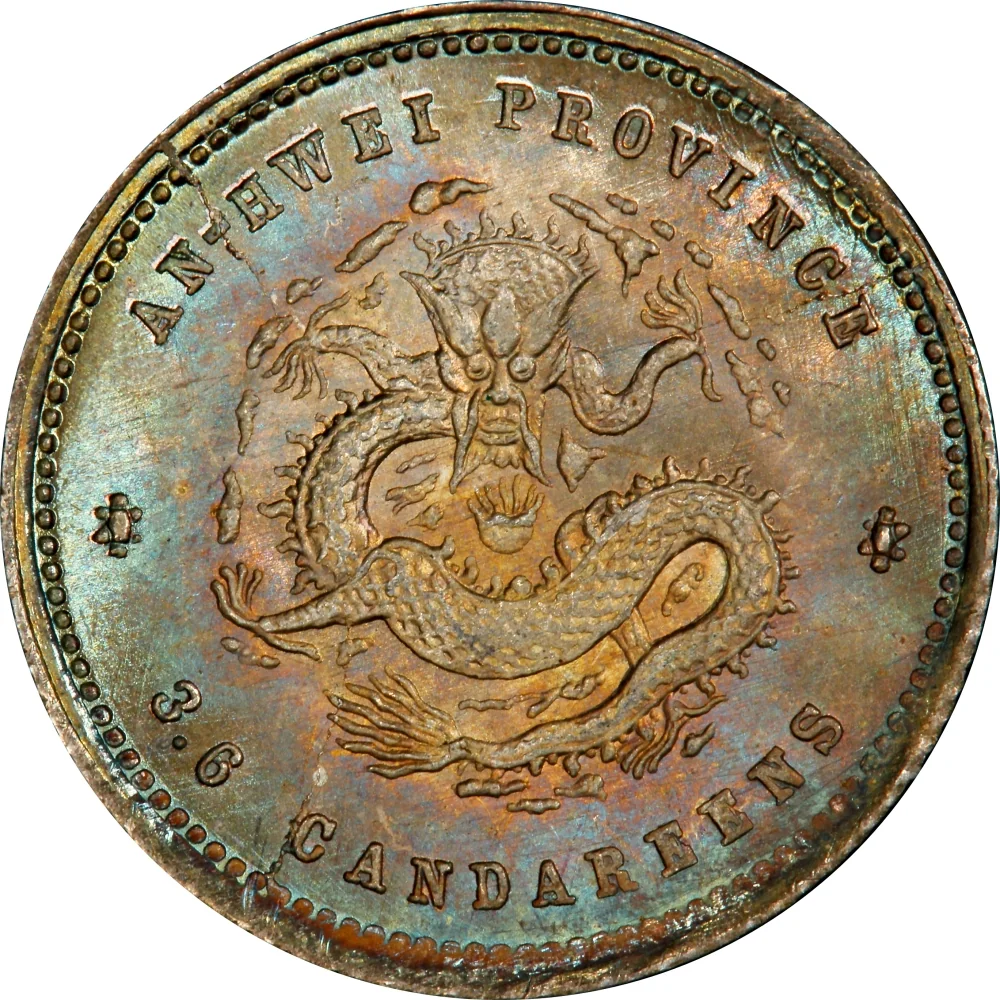
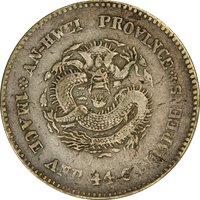
Dragon encircling a pearl, surrounded by English text.
Inscription:
AN-HWEI PROVINCE
3.6 CANDAREENS
3.6 CANDAREENS
Script: Latin
Edge
Reeded.
Categories
| Mythology> Fantastic animal |
Mintings
| Year | Mint Mark | Mintage | Quality | Collection |
|---|---|---|---|---|
| 1899 | — | — |
Historical background
In 1899, Anhwei (modern Anhui) Province, like much of late Qing China, operated within a complex and chaotic multi-currency system. The primary mediums of exchange included silver sycee (measured in taels), copper cash coins (wen), and a growing influx of foreign silver dollars, primarily Mexican "Eagle" dollars. This system was highly localized and inefficient; the tael's weight and purity varied between major commercial centers like Wuhu and Anking, creating multiple, non-standardized "tael" units. Transactions required constant conversion, facilitated by private money changers (qianzhuang), which hampered trade and revenue collection.
The period was marked by a severe currency shortage, particularly of standardized copper cash. This was exacerbated by provincial mints reducing the weight and copper content of newly minted coins to generate profit, leading to debasement and loss of public trust. Furthermore, the outflow of silver to pay for imports and indemnities, following the Sino-Japanese War (1894-95), created a deflationary squeeze. The scarcity of reliable coinage stifled local markets and increased the hardship on the peasantry, who conducted daily transactions in copper cash but often paid taxes calculated in silver.
Amidst this instability, the imperial government's capacity to enforce monetary reform was weak. While proposals for a standardized national silver coinage circulated, Anhwei in 1899 remained reliant on its old mechanisms. The situation created fertile ground for the circulation of privately minted, inferior cash coins and even counterfeits, further eroding the local economy. This monetary disarray reflected the broader administrative and fiscal decline of the Qing state, contributing to the social unrest that would culminate in the Boxer Uprising, the effects of which were beginning to reverberate in the region by the year's end.
The period was marked by a severe currency shortage, particularly of standardized copper cash. This was exacerbated by provincial mints reducing the weight and copper content of newly minted coins to generate profit, leading to debasement and loss of public trust. Furthermore, the outflow of silver to pay for imports and indemnities, following the Sino-Japanese War (1894-95), created a deflationary squeeze. The scarcity of reliable coinage stifled local markets and increased the hardship on the peasantry, who conducted daily transactions in copper cash but often paid taxes calculated in silver.
Amidst this instability, the imperial government's capacity to enforce monetary reform was weak. While proposals for a standardized national silver coinage circulated, Anhwei in 1899 remained reliant on its old mechanisms. The situation created fertile ground for the circulation of privately minted, inferior cash coins and even counterfeits, further eroding the local economy. This monetary disarray reflected the broader administrative and fiscal decline of the Qing state, contributing to the social unrest that would culminate in the Boxer Uprising, the effects of which were beginning to reverberate in the region by the year's end.
✨ Legendary