

1 yang – Korean Empire
Add to wishlist
Context
Year: 1898
Korean - Gwangmu era Year:: 2
Country: Korea
Issuer: Korean Empire
Currency:
(1897—1902)
Demonetized: Yes
Material
References
KM: #
Numista: #17124
Value
Bullion value: $10.20
Obverse
Description:
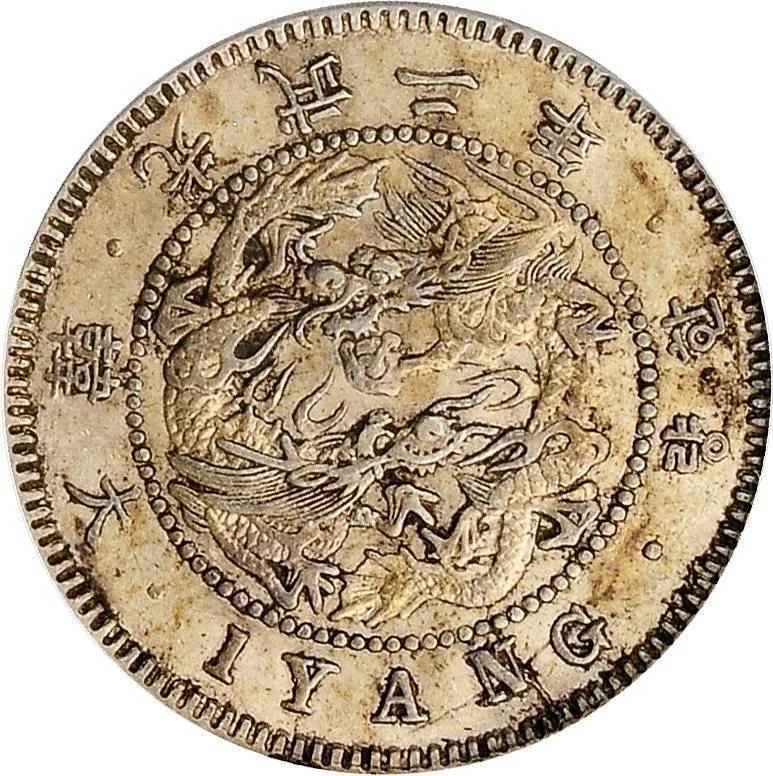
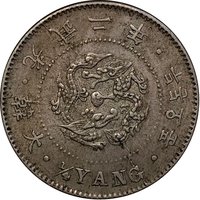
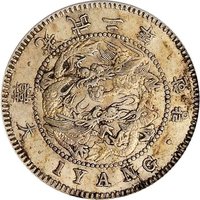
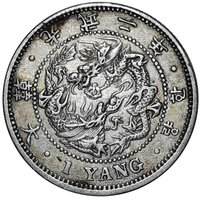
Two dragons. Date top, denomination bottom.
Inscription:
• 大韓 • 光武二年 • 한량 • 1 YANG •
Translation:
THE GREAT KOREA; KWANGMU, YEAR 2; HAN YANG; 1 YANG;
Engraver: Masuda Tomō
Reverse
Description:
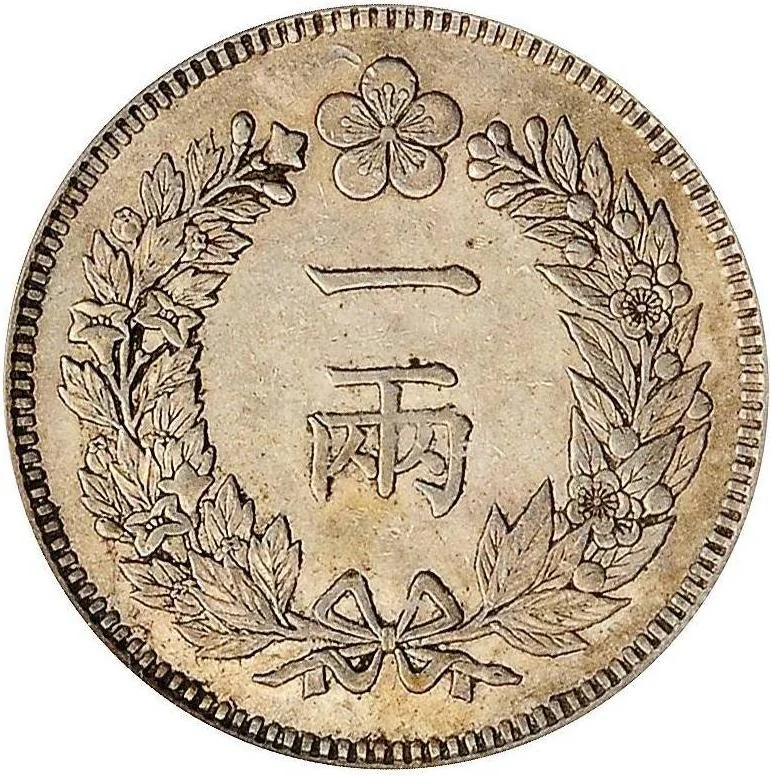
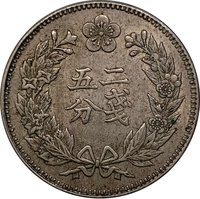
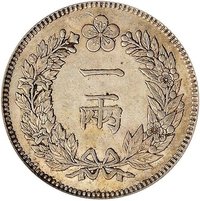
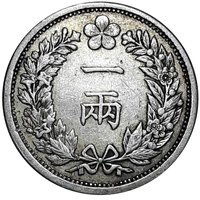
Denomination encircled by Rose of Sharon (left) and plum (right), with the Plum Blossom (Imperial Seal) above.
Inscription:
一
兩
兩
Translation:
One Tael
Language: Chinese
Engraver: Egami Genjirō
Edge
Categories
| Mythology> Fantastic animal |
| Plants> Flower |
| Symbol> Wreath |
| Symbols> Coat of Arms |
Mints
| Name | Mark |
|---|---|
| Incheon | — |
Mintings
| Year | Mint Mark | Mintage | Quality | Collection |
|---|---|---|---|---|
| 1898 | — | — |
Historical background
In 1898, the Korean Empire found itself in a precarious and transitional monetary situation, caught between its traditional systems and the aggressive financial pressures of foreign powers. The domestic economy still relied heavily on the yang, a brass coin with a square hole, and the mun unit, but this system was chaotic. The government's chronic fiscal deficits led to rampant debasement and the unchecked issuance of various "convenience coins" (t'ongbo) by both official and private mints, causing severe inflation, loss of public trust, and a fragmented currency landscape across the provinces.
Simultaneously, the empire was being financially colonized. Following the Treaty of Kanghwa (1876) and subsequent agreements, foreign currencies, particularly the Mexican silver dollar (and its Japanese-issued equivalent, the yen) and the Chinese silver tael, circulated widely in open ports and major cities. These foreign coins, with their reliable silver content, began to dominate commercial and international trade, undermining Korean sovereignty. The Japanese, in particular, used their financial influence through institutions like the First Bank of Japan (Dai-Ichi Ginko) to extend loans and effectively control key state revenues, such as customs duties.
Recognizing the crisis, Emperor Gojong's government attempted a centralizing reform with the "Great Korean Empire" monetary system, introducing new gold, silver, and copper coins in 1901. However, this effort in 1898 was still in its planning stages, hampered by a lack of centralized minting capacity, insufficient specie reserves, and immense foreign interference. Consequently, 1898 represents a critical juncture—a year of severe monetary disorder that highlighted the empire's weakening sovereignty and set the stage for the failed reforms that would soon be overtaken by Japan's accelerating economic and political domination.
Simultaneously, the empire was being financially colonized. Following the Treaty of Kanghwa (1876) and subsequent agreements, foreign currencies, particularly the Mexican silver dollar (and its Japanese-issued equivalent, the yen) and the Chinese silver tael, circulated widely in open ports and major cities. These foreign coins, with their reliable silver content, began to dominate commercial and international trade, undermining Korean sovereignty. The Japanese, in particular, used their financial influence through institutions like the First Bank of Japan (Dai-Ichi Ginko) to extend loans and effectively control key state revenues, such as customs duties.
Recognizing the crisis, Emperor Gojong's government attempted a centralizing reform with the "Great Korean Empire" monetary system, introducing new gold, silver, and copper coins in 1901. However, this effort in 1898 was still in its planning stages, hampered by a lack of centralized minting capacity, insufficient specie reserves, and immense foreign interference. Consequently, 1898 represents a critical juncture—a year of severe monetary disorder that highlighted the empire's weakening sovereignty and set the stage for the failed reforms that would soon be overtaken by Japan's accelerating economic and political domination.
💎 Extremely Rare