

1 won – North Korea
Add to wishlist
North Korea
Context
Material
References
KM: #
Numista: #15883
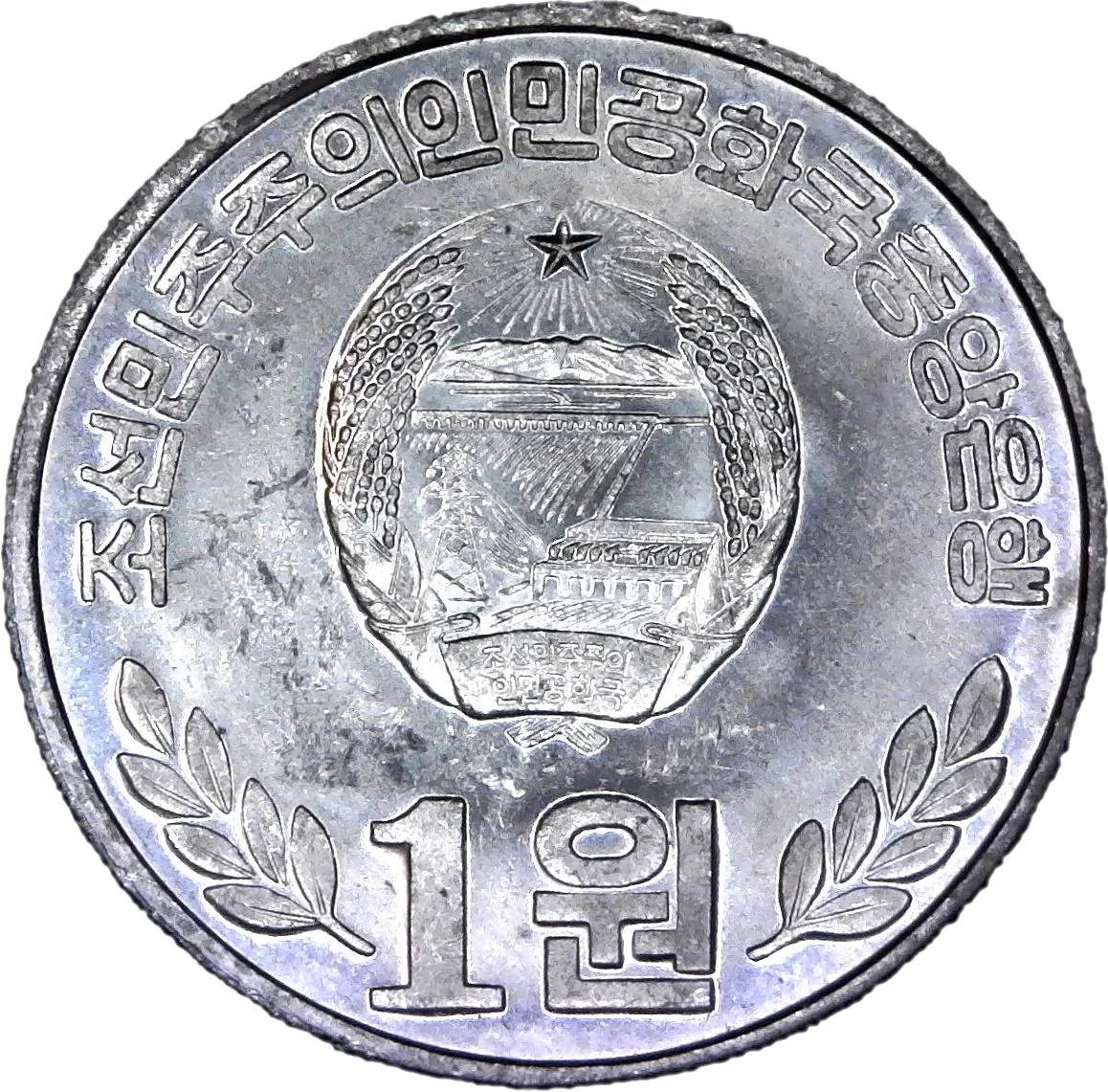
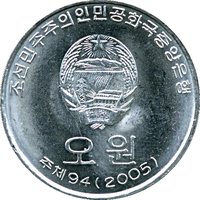
Obverse
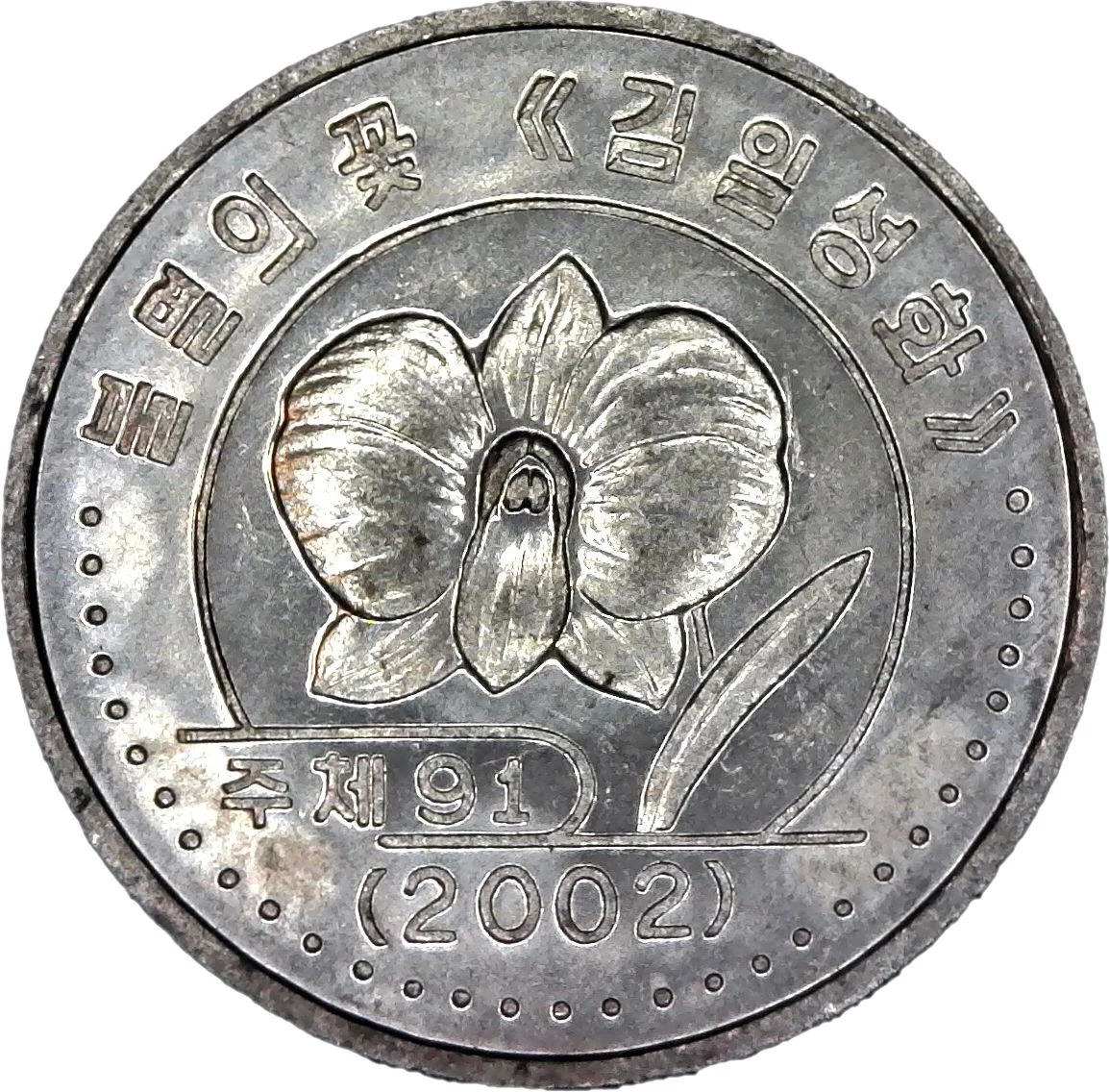
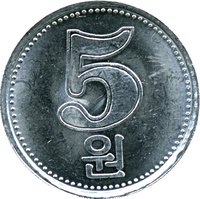
Reverse
Edge
Plain
Categories
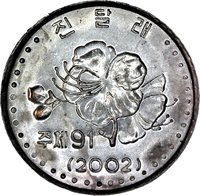
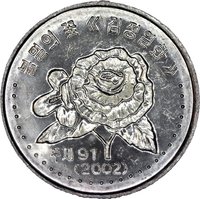
| Plants> Flower |
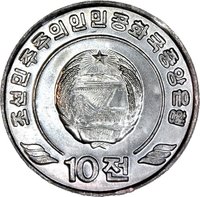
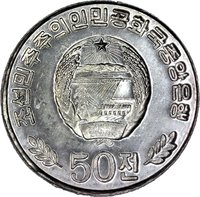
| Symbols> Coat of Arms |
Mintings
| Year | Mint Mark | Mintage | Quality | Collection |
|---|---|---|---|---|
| 2002 | — | — |
Historical background
In 2002, North Korea implemented a series of radical economic changes known as the "July 1st Measures," which represented the most significant shift in its economic policy since the 1950s. The core of these reforms was a dramatic currency redenomination and an attempt to move away from the central planning of the command economy. The government significantly devalued the North Korean won, bringing the official exchange rate closer to the black-market rate, and raised state-controlled prices for basic goods and services to more realistic levels. This was coupled with a substantial increase in wages, particularly for industrial workers, with the intent of incentivizing productivity within a more market-oriented framework.
The immediate aftermath of these currency adjustments was severe economic dislocation and social hardship. While prices for rice, housing, and utilities skyrocketed to reflect real costs—sometimes increasing by over 50 times—the promised wage increases were inconsistent and failed to keep pace for many, especially those in non-priority sectors or on fixed state salaries. This eroded the purchasing power of the population and effectively wiped out personal savings held in the old currency, devastating household economies. The measures accelerated the growth of informal markets (jangmadang) as citizens were forced to engage in private trade to survive, further undermining the state's rationing system (Public Distribution System) which was already failing.
Ultimately, the 2002 reforms marked a pivotal but painful acknowledgment by the North Korean state that its rigid command economy was unsustainable. Rather than successfully transitioning to a controlled market system, the currency and price changes exposed the deep structural weaknesses of the economy and increased popular dependency on the burgeoning grey market. The situation cemented socioeconomic stratification, benefiting those with access to foreign currency or goods while severely punishing ordinary citizens, setting a precedent for future erratic monetary policies, including a disastrous currency redenomination in 2009.
The immediate aftermath of these currency adjustments was severe economic dislocation and social hardship. While prices for rice, housing, and utilities skyrocketed to reflect real costs—sometimes increasing by over 50 times—the promised wage increases were inconsistent and failed to keep pace for many, especially those in non-priority sectors or on fixed state salaries. This eroded the purchasing power of the population and effectively wiped out personal savings held in the old currency, devastating household economies. The measures accelerated the growth of informal markets (jangmadang) as citizens were forced to engage in private trade to survive, further undermining the state's rationing system (Public Distribution System) which was already failing.
Ultimately, the 2002 reforms marked a pivotal but painful acknowledgment by the North Korean state that its rigid command economy was unsustainable. Rather than successfully transitioning to a controlled market system, the currency and price changes exposed the deep structural weaknesses of the economy and increased popular dependency on the burgeoning grey market. The situation cemented socioeconomic stratification, benefiting those with access to foreign currency or goods while severely punishing ordinary citizens, setting a precedent for future erratic monetary policies, including a disastrous currency redenomination in 2009.
🌱 Common